Sign In
By signing in or creating an account, you agree with Associated Broadcasting Company's Terms & Conditions and Privacy Policy.
By signing in or creating an account, you agree with Associated Broadcasting Company's Terms & Conditions and Privacy Policy.
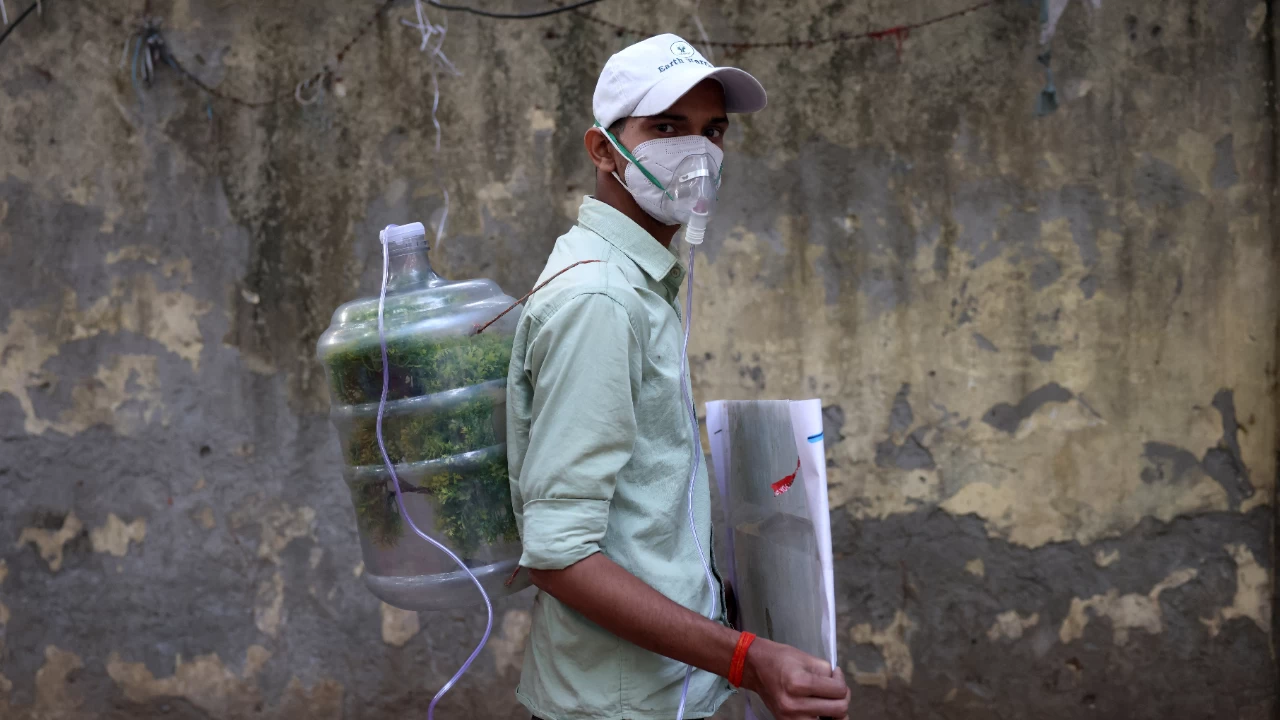

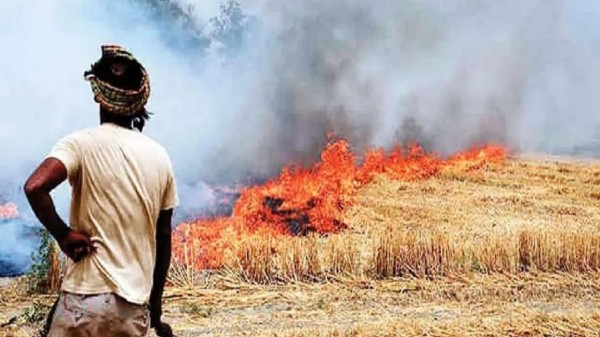
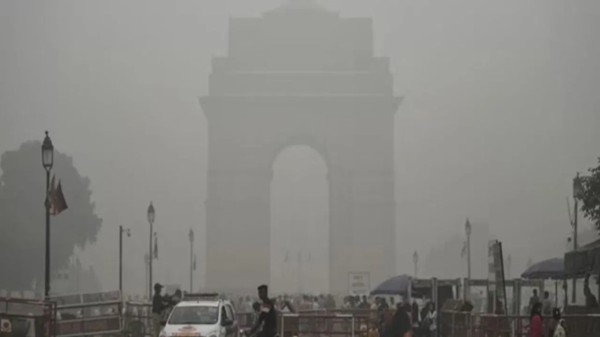
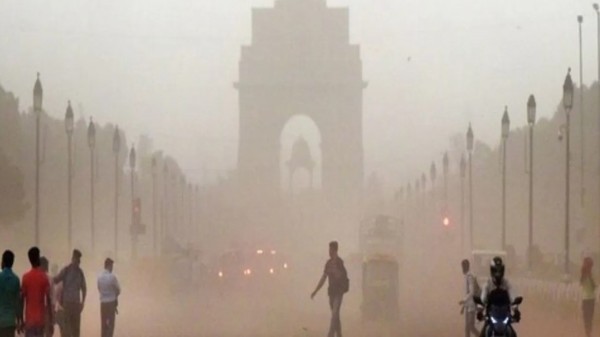
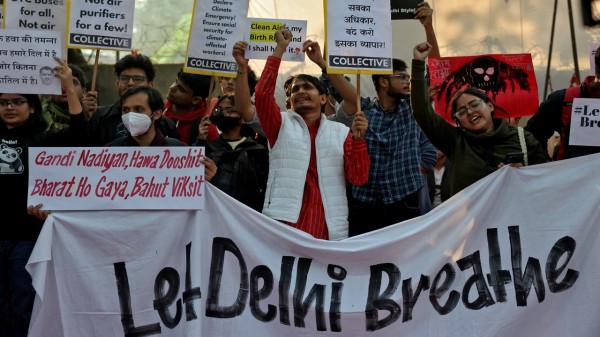
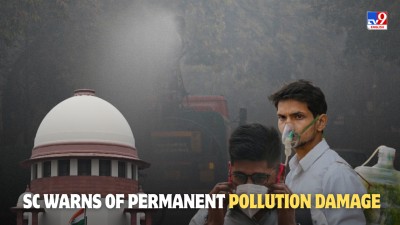
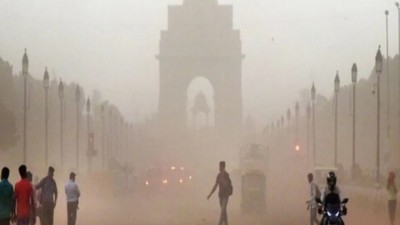
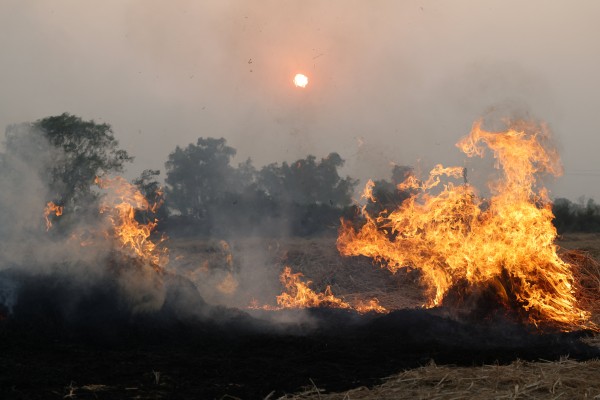
New Delhi: The capital of India is gasping for air. In November, Delhi's air quality has repeatedly breached the severe category. On Tuesday at 1:00 AM, the AQI was 257, which falls into the severe range. While stubble burning in Punjab and Haryana is considered the primary factor behind winter pollution, Union Environment Minister Bhupender Yadav has informed Parliament that there was a 90 per cent reduction in fire incidents in those two states in 2025 compared to 2022.
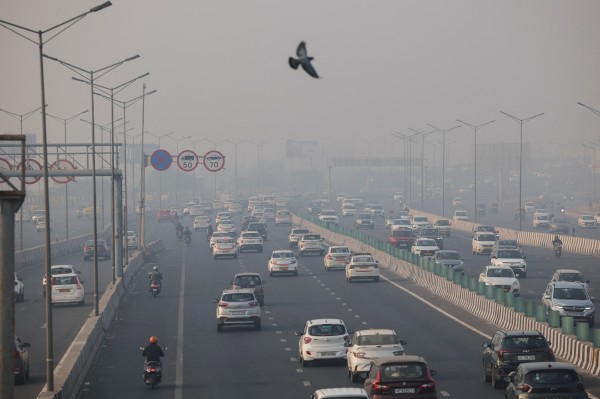
The Centre has also cited vehicular emissions, industrial pollution, waste burning, landfill fires, construction dust, and meteorological conditions as other reasons contributing to the air pollution in Delhi. Among them, traffic has played a key role in the rise in pollution, with an analyses by the Centre for Science and Environment (CSE) finding that 'toxic cocktail of particulates and gases during early winter', namely the extremely harmful gases Nitrogen Dioxide (NO2) and Carbon Monoxide (CO) emitted primarily from vehicles and other local sources have deteriorated Delhi's air.
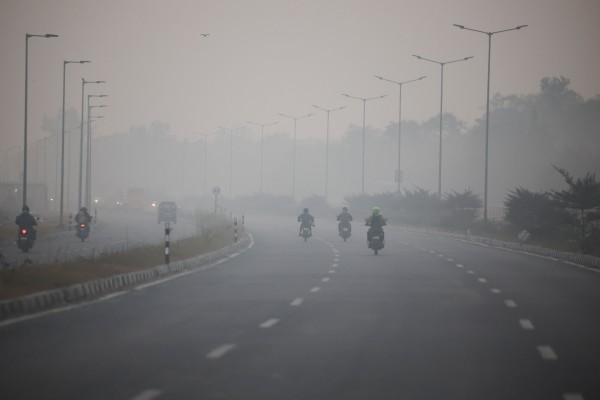
According to the study by CSE, PM2.5 has risen and fallen almost in tandem with NO2 during morning (7–10 am) and evening (6–9 pm) hours, as both pollutants surge with traffic emissions and get trapped under shallow winter boundary layers. While NO2 shows sharper, more immediate peaks linked to vehicular plumes, PM2.5 displays broader peaks as fine particles accumulate and disperse more slowly.
It added, "22 monitoring stations recorded CO levels above the 8-hour standard on more than 30 of the 59 days, indicating persistent traffic-linked emissions. Dwarka Sector 8 was the worst affected, with 55 exceedance days, followed by Jahangirpuri and North Campus DU, each reporting 50 days of violations."
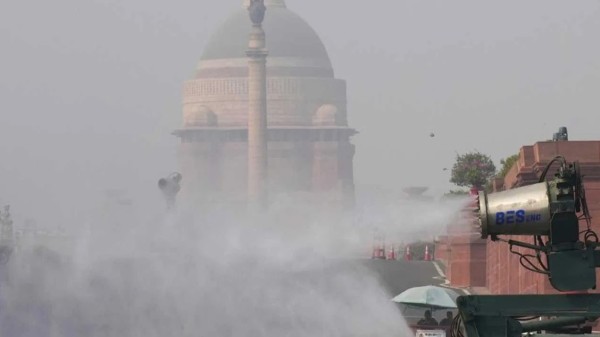
One of the authors of the CSE study, Anumita Roychowdhury, executive director (research and advocacy), said, "This cocktail of pollutants also makes the air more toxic to breathe. Yet, every winter, pollution control efforts are dominated by the dust control measures with feeble action on vehicles, industry, waste and solid fuel burning."
There were 13 hotspots in Delhi in 2018, and they have remained almost steady, with North and East Delhi recording the highest concentrations. However, over the years, several more hotspots have emerged based on the same criteria. Places like Jahangirpuri, Bawana, Wazirpur, Anand Vihar, Mundka, Rohini, and Ashok Vihar, Vivek Vihar, Nehru Nagar, Alipur, Sirifort, Dwarka Sector 8, and Patparganj are some of those regions where the air pollution is very high.
The study says, "The dip in fires prevented extreme spikes, but it did nothing to clean the daily average. In October–November, PM2.5 remained the dominant driver of AQI, emerging as the prominent pollutant on 34 days, followed by PM10 on 25 days, ozone on 13 days and CO on 2 days. AQI stayed in the Very Poor to Severe range for almost the entire November."
Yes. The CSE analysis recommends upscale integrated public transport with extensive connectivity and encourages people to use it on a daily basis. There should also be a decrease in the usage of personal vehicles, with the authorities imposing stringent emission-control levels.