Sign In
By signing in or creating an account, you agree with Associated Broadcasting Company's Terms & Conditions and Privacy Policy.
By signing in or creating an account, you agree with Associated Broadcasting Company's Terms & Conditions and Privacy Policy.
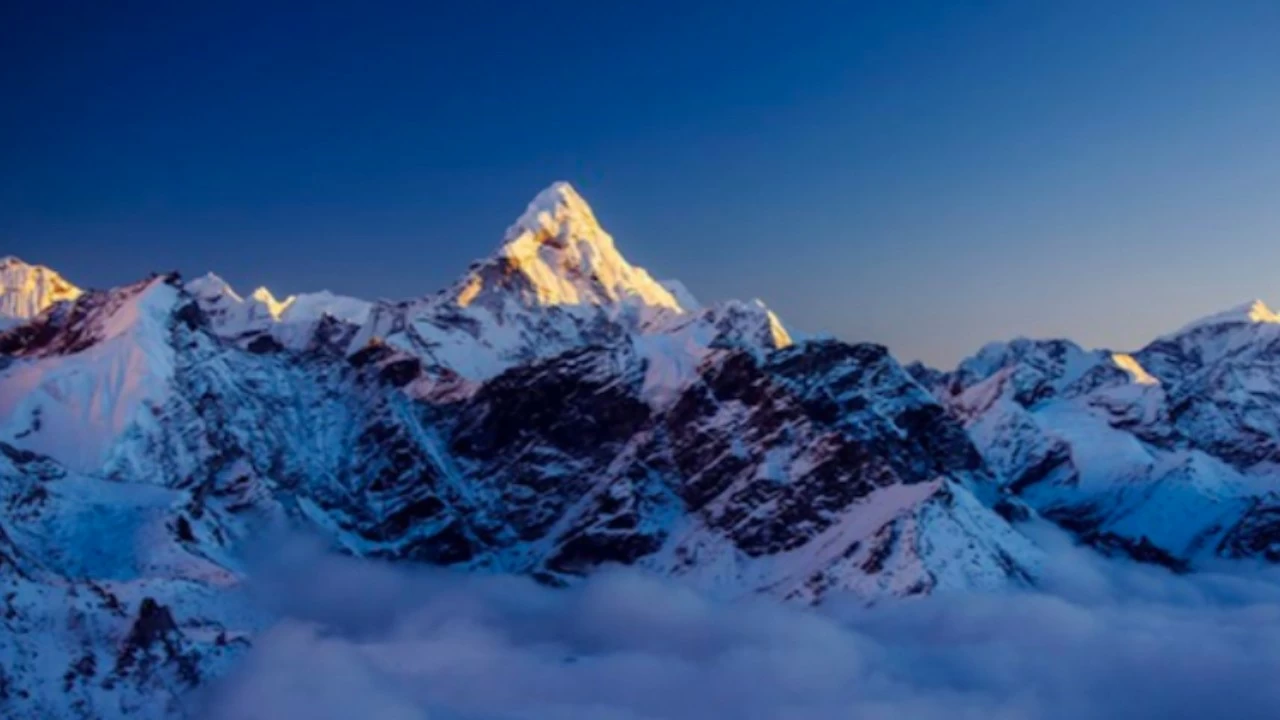

Dehradun: The Himalayas, known as the water towers of Asia, are facing a serious crisis. Scientists from IIT Jammu, IIT Mandi, and the Wadia Institute of Himalayan Geology in Dehradun have warned of a possible snow drought.
Their studies show that snowfall patterns are changing, glaciers are melting faster, and rivers may face water shortages in the future.

Snowfall shifts to later months
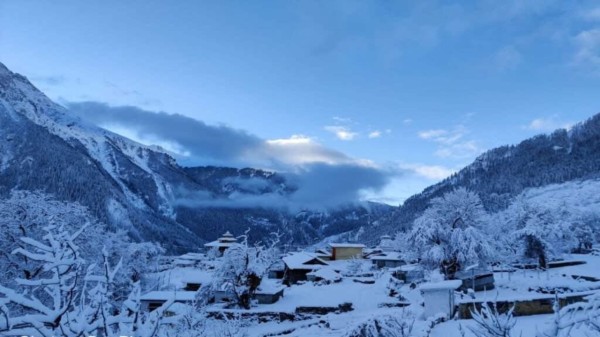
Traditionally, most snowfall in the Himalayas occurred in December and January. This snow was solid and had less water content, which meant it melted slowly and recharged glaciers for months. But now, snowfall is happening later, in February, March, and even April. The snow that falls during these months has higher water content, which makes it melt quickly. As a result, glaciers are not getting enough recharge and are losing mass.
Findings from long-term studies
Scientists analyzed 17 years of data from 1999 to 2016 across the Hindu Kush Himalayan region. They found that less snow is falling in winter, and the snow that does fall is melting faster. The snow cover period is decreasing by 0.6 to 1.5 days every year. Over 17 years, this adds up to a loss of 12 to 25 snow days. This means winters are becoming shorter and weaker.
Dr. Manish Mehta, a senior scientist at the Wadia Institute, explained that snowfall patterns have changed significantly in the past 15 to 20 years. “Earlier, Joshimath would see 4 to 5 feet of snow. Now, even one foot of snow is rare,” he said. Similar conditions are being reported from other hill stations in Uttarakhand.

Glaciers losing ice rapidly
The studies show alarming rates of glacier melting like Pencilungpa Glacier in Ladakh is losing ice at a rate of 0.59 meters of water equivalent per year (2015–2023). It has lost up to 8 meters of thickness and retreated 7–8 meters. Chaurabari Glacier in Uttarakhand, the source of the Mandakini and Alaknanda rivers, is losing 0.7 meters of ice per year (2003–2012). Dukarani Glacier in Uttarakhand, a source of the Bhagirathi river, is losing 0.35 meters of ice per year (1994–2013). Gangotri Glacier, one of the largest in Uttarakhand, is retreating at 19 meters per year.
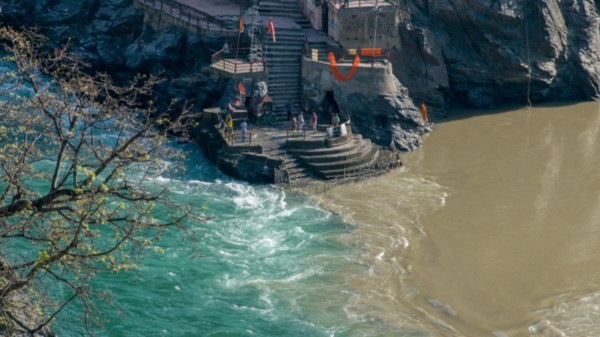
These figures reveal a serious situation. If a glacier loses 0.3 to 0.5 meters of water equivalent per year, it is considered critical. If the loss is more than 0.5 meters per year, it is extremely dangerous. The Chaurabari Glacier already falls in this category.
Impact on rivers and communities
Glaciers are the lifeline of Himalayan rivers. When snow melts faster, rivers initially see more water flow. But over time, as glaciers lose mass, rivers will face shortages. This will affect agriculture, drinking water, and hydropower in the plains of India. Millions of people depend on Himalayan rivers like the Ganga, Yamuna, and Indus.

Dr. Mehta warns that without proper water management, rivers may first flood and then become drought-prone. This double impact will be dangerous for both mountain communities and people living downstream.
Climate change behind the shift
Scientists say climate change is the main reason for these changes. Rising temperatures are reducing snowfall days and shifting the snowfall season. The snow that falls now has more water content, which melts quickly. This is directly linked to global warming and changing weather patterns.
The lack of snowfall also affects tourism in hill stations. Places that once attracted visitors with heavy snow are now struggling to maintain their winter charm. Local communities, who depend on tourism, agriculture, and natural water sources, are facing uncertainty.

Urgent steps are needed to address this crisis
Experts believe urgent steps are needed to address this crisis. Water management strategies must be developed to store excess water during periods of heavy melt and use it during shortages. Climate-friendly policies, such as reducing carbon emissions and protecting forests, are also essential.
Dr. Mehta emphasizes that awareness among local communities is important. “People must understand that the snow they see today is not the same as before. It melts faster, and this will affect their future,” he said.

Hindu Kush Himalayan region glaciers are the biggest source of water
The Hindu Kush Himalayan region is home to thousands of glaciers and provides water to nearly 1.5 billion people across Asia. If snow droughts continue, the impact will not be limited to Uttarakhand or Ladakh but will spread across India, Nepal, Bhutan, Pakistan, and China.
The studies show that the snow cover period is shrinking, glaciers are retreating, and rivers are at risk. This is a warning sign that climate change is already affecting the Himalayas. Immediate action is needed to protect these fragile ecosystems.