Sign In
By signing in or creating an account, you agree with Associated Broadcasting Company's Terms & Conditions and Privacy Policy.
By signing in or creating an account, you agree with Associated Broadcasting Company's Terms & Conditions and Privacy Policy.
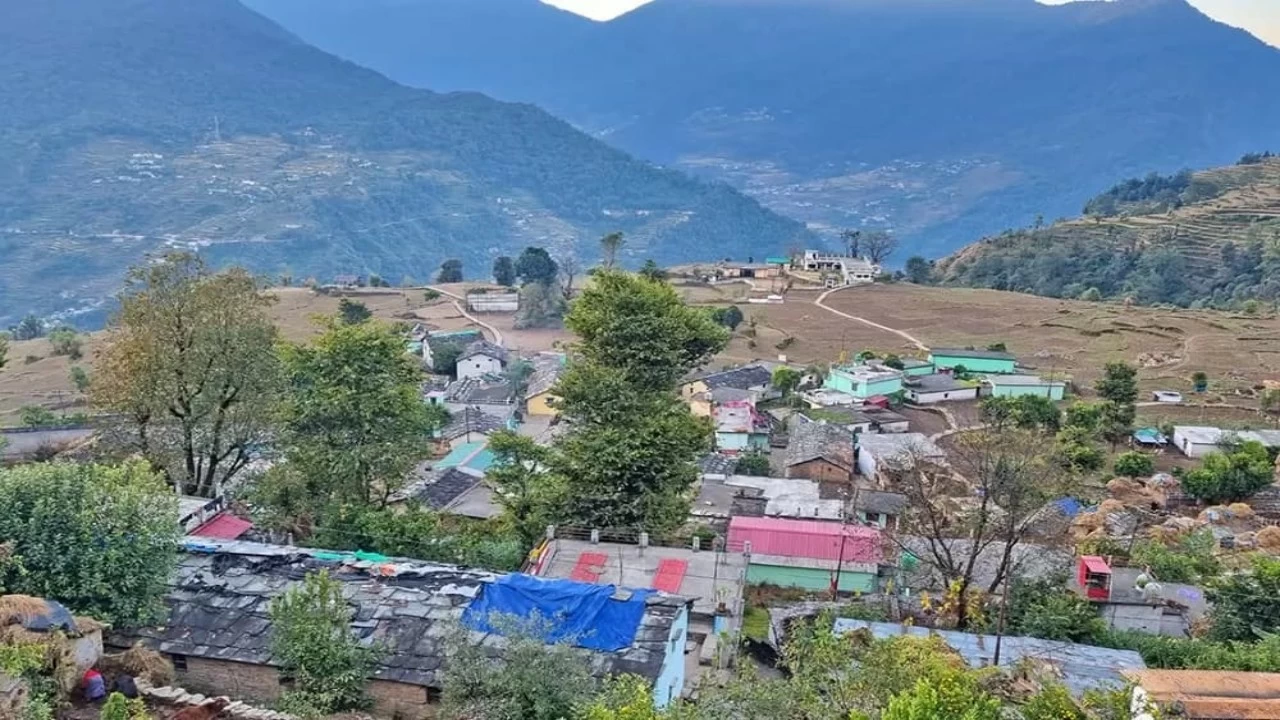

Dehradun: The Special Intensive Revision (SIR) process in Uttarakhand is not easy. The Election Commission has set a target of 70% voter verification under Pre-SIR, but the state’s geography and social conditions are creating challenges. Migration from villages, empty homes, and verification of daughters-in-law from Nepal are the biggest hurdles.
According to the political experts in Uttarakhand, SIR is necessary to strengthen democracy. He explains that population changes every 5 to 10 years. People die, new voters are born, and many migrate. Revising voter lists ensures fairness and transparency. Uttarakhand, which borders Nepal, China, and Tibet, faces unique challenges compared to other states.
Migration and empty villages
Migration has been a long-standing problem in Uttarakhand. Due to lack of jobs, education, and healthcare, youth are moving to cities and plains. Many mountain villages are now almost empty. This migration has reduced the number of voters in the hills while increasing them in the plains.
The Election Commission is trying to remove fake or duplicate entries by matching the 2003 voter list. But verifying who has migrated is difficult. If a person votes in a new place, their name may be deleted from their native village list. This creates confusion and makes the process complex.
Booth Level Officers (BLOs) also face problems. In deserted villages, they cannot find people to verify. Empty houses make data collection very tough. Pre-SIR is being done to identify and solve these problems before the main SIR.
Daughters-in-law from Nepal
Another challenge is the verification of daughters-in-law from Nepal. In border areas, many women from Nepal marry into Uttarakhand families. They acquire Indian citizenship, but proving their identity during SIR is difficult.
These women often lack proper documents from their parental homes in Nepal. Limited literacy and long years of marriage make it harder to provide valid papers. BLOs must spend extra time verifying these cases, which slows down the process.
Social impact of migration
Migration has also affected the social fabric. With men leaving villages, the gender ratio is disturbed. Agriculture is declining, and fertile lands are being abandoned. This imbalance adds to the difficulty of maintaining accurate voter lists.
Government’s efforts
Despite these challenges, the Election Commission is determined to complete the Pre-SIR successfully. The aim is to make the SIR process smooth and convenient for the public. Officials believe that with cooperation from citizens, fake entries can be removed and genuine voters included. With careful planning and public support, Uttarakhand hopes to achieve its 70% verification target.