Sign In
By signing in or creating an account, you agree with Associated Broadcasting Company's Terms & Conditions and Privacy Policy.
By signing in or creating an account, you agree with Associated Broadcasting Company's Terms & Conditions and Privacy Policy.
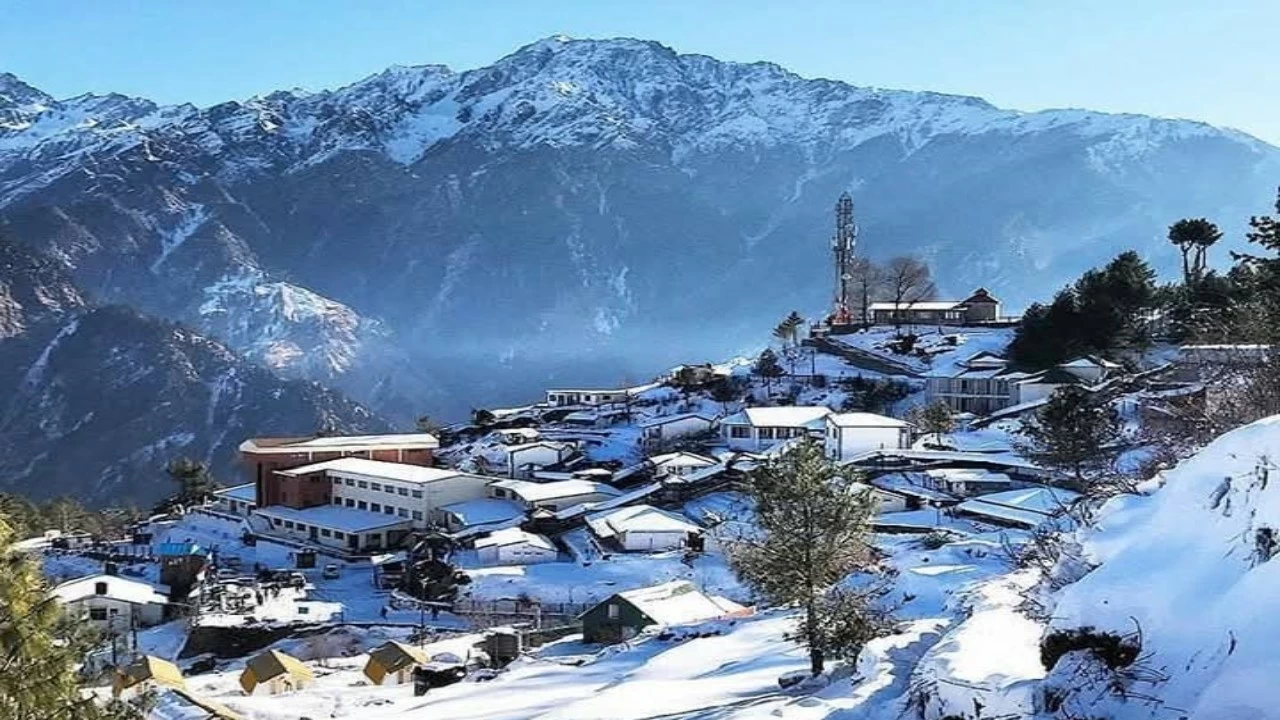

Dehradun: Uttarakhand’s weather continues to show contrasting patterns. While snowfall in Chamoli’s Niti Valley has increased the chill in the border region, Dehradun recorded a sudden rise of 5°C in maximum temperature on Monday. The state is experiencing dry cold, with meteorologists predicting clearer skies until December 13.
According to the Meteorological Center, snowfall in the Niti Valley was reported on Monday afternoon after cloudy conditions in the morning. Strong winds accompanied the snow, intensifying the cold in lower areas. Meanwhile, Dehradun’s maximum temperature rose sharply, bringing daytime relief but leaving mornings and evenings chilly.
Dry spell across Uttarakhand
Most areas of the state, both plains and hills, remained dry. This lack of rainfall has contributed to rising daytime temperatures. The Meteorological Center has forecast dry weather for the next few days, with minimum temperatures expected to drop further.
A western disturbance is likely to become active from December 13, which may alter weather conditions in the western Himalayas. Light fog is expected in the plains, while frost could form in higher altitudes.
Relief and chill in Dehradun
In Dehradun, the rise in daytime temperature brought some relief from the persistent chill. However, mornings and evenings remained cold. Sunny conditions dominated the day, but cold winds intensified the chill after sunset. Partial cloud cover was also reported in some hilly areas.
Afternoon Snowfall in Chamoli
Chamoli district witnessed changing weather throughout Monday. Clouds cleared in the afternoon, allowing sunshine, but conditions worsened later with snowfall in the Niti Valley. Strong winds added to the chill. With winter migration underway, only Army and ITBP personnel, along with homestay operators, remain in the valley to monitor the border.
The snowfall has increased the intensity of cold in lower regions as well. Municipalities have arranged bonfires at several places to provide relief to residents as evening temperatures drop sharply.
Climate change and temperature rise
Meteorologists point to climate change and shifting weather patterns as key reasons behind the unusual rise in temperatures. Dehradun’s maximum temperature was recorded at 26.7°C on December 8, 2017. This year, the city has again seen a similar spike, attributed to the absence of rainfall in October and November.
Rainfall figures for the state remain at zero, compared to the average 1.2 mm recorded by December 8 in previous years. Experts warn that the lack of precipitation is directly affecting temperature levels, with minimum temperatures at night staying close to normal.
Western disturbance may bring a change
The state is expected to remain dry until December 13, when a western disturbance may bring changes. For now, Uttarakhand continues to experience a mix of snowfall in higher reaches and rising temperatures in the plains, reflecting the growing impact of climate change on Himalayan weather.