Sign In
By signing in or creating an account, you agree with Associated Broadcasting Company's Terms & Conditions and Privacy Policy.
By signing in or creating an account, you agree with Associated Broadcasting Company's Terms & Conditions and Privacy Policy.


Kolkata: The India-New Zealand FTA is nothing short of a New Year gift to labour intensive sectors such as textiles, apparel, leather, footwear. The details of the FTA were agreed upon on Monday, Dec 22. Significantly, these were among the sectors hit by the punitive 50% tariffs slapped on imports from India by US President Donald Trump from September. Let's have a look at the sectors that are going to gain from this FTA that is supposed to be implement in another six-seven months. Negotiations for the agreement began in March 2025.
According to a statement by the government of India, the pact with New Zealand will go down as one of the quickest FTAs to be concluded. "This FTA enhances market access and tariff preferences for Indian exports to New Zealand, while serving as a gateway to the wider Oceania and Pacific Island markets. The agreement opens opportunities for India to emerge as a key supplier of skilled workforce, alongside prospects for future cooperation in areas such as AYUSH and services such as Yoga Instructors, Indian Chefs, and Music Teachers, and services under sector of interests like IT, Engineering, Healthcare, Education, and Construction," said an official statement by New Delhi.
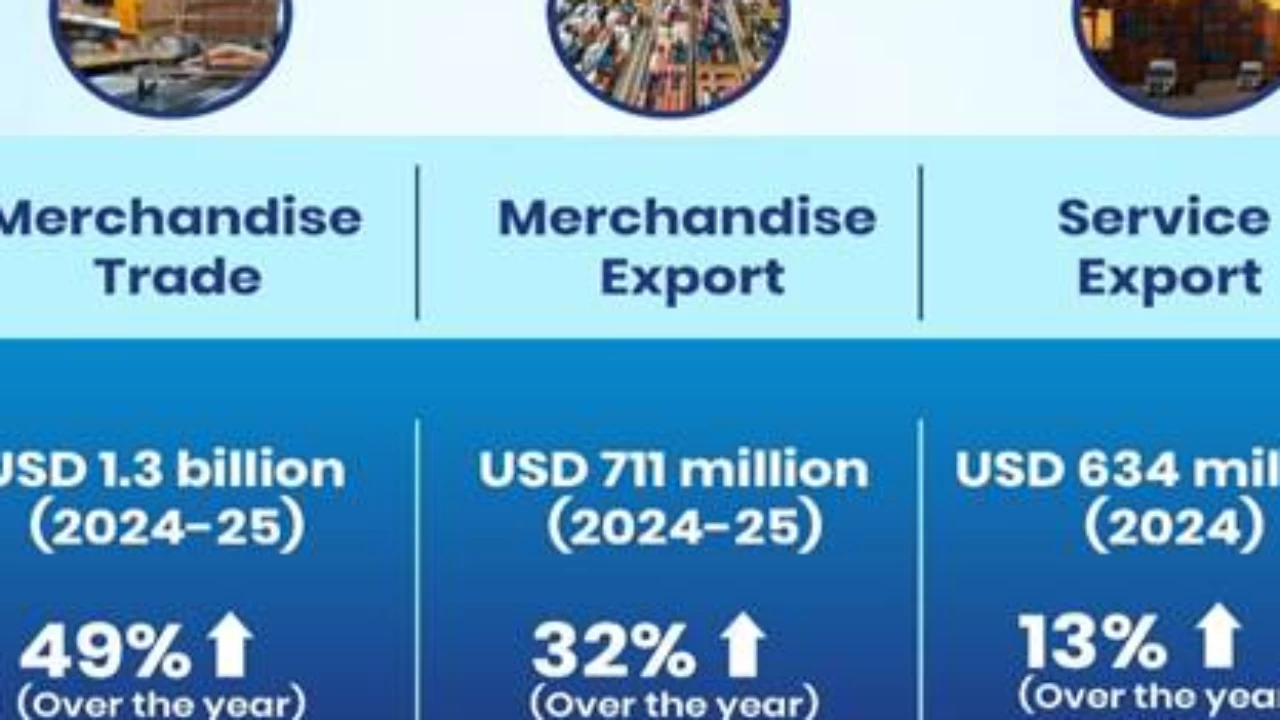
Merchandise Trade: Grew from $873 million in FY24 to $1.3 billion in FY25, registering 49% growth
Merchandise Exports to New Zealand: Rose to $711 million in FY25, showing a positive trend of 32%
Services Trade: India’s services exports grew by 13% in 2024, reaching $634 million. Major sectors travel, IT and business services
India and New Zealand merchandise bilateral trade increased from $855 million in FY16 to $1298 million in FY25. Exports increased by 130% whereas imports only increased by 7.21% in 10 years. In FY25, exports from India to New Zealand was higher than imports from New Zealand
| Sector | India’s Exports | Tariff Coverage | Impact & Opportunity |
|---|---|---|---|
| Agriculture | USD 51.8 billion in 2024–25, up from USD 48.3 billion in 2023–24, 7.3% growth. | 1,379 tariff lines, accounting for 17% of all product tariff lines Elimination of tariffs at peak 5% (with tea already at zero duty) | Fruits and Vegetables: enhances access for fresh produce and horticultural exports.Coffee, Tea, Cocoa, and Spices: supports exports of niche, premium, and value-added agri-products.Cereals: improves the global competitiveness of Indian grain exports.Processed Foods: benefits exports of ready-to-eat and processed food products, strengthening India’s food processing sector. |
New Zealand’s market access offer covers immediate elimination of duties (zero duty) on 100% of tariff lines of New Zealand (8,284 tariff lines), from Entry into Force.
New Zealand maintained tariffs around 10% in around 450 lines of key Indian exports in products including textile/apparel products, leather and headgear, ceramics, carpets, automobiles and auto components. Additionally, the average applied tariff at 2.2% in 2025 will become zero from EIF.
Emerging and advanced engineering sectors like transport/auto, pharmaceuticals, plastic & rubber, electrical & electronic machinery, mechanical machinery, chemicals and; Agri Products like fruits and vegetables, coffee, spices, cereals, processed foods
Gains from import to support domestic industries: wooden logs, coking coal, waste and scrap of ferrous, non-ferrous metals
Gains for Agriculture, Technology Cooperation, and Farmer Income Growth
New Zealand have agreed on focused Action Plans for kiwifruit, apples, and honey to improve productivity, quality, and sectoral capabilities of these fruits growers in India
The cooperation includes the establishment of Centres of Excellence, improved planting material, capacity building for growers, technical support for orchard management, post-harvest practices, supply chains and food safety.
Projects for premium apple cultivators and sustainable beekeeping practices will enhance production and quality standards.
This is Paired with Market access for the selected agricultural products (Apples, Kiwifruit, Manuka Honey) from New Zealand in India.