Sign In
By signing in or creating an account, you agree with Associated Broadcasting Company's Terms & Conditions and Privacy Policy.
By signing in or creating an account, you agree with Associated Broadcasting Company's Terms & Conditions and Privacy Policy.
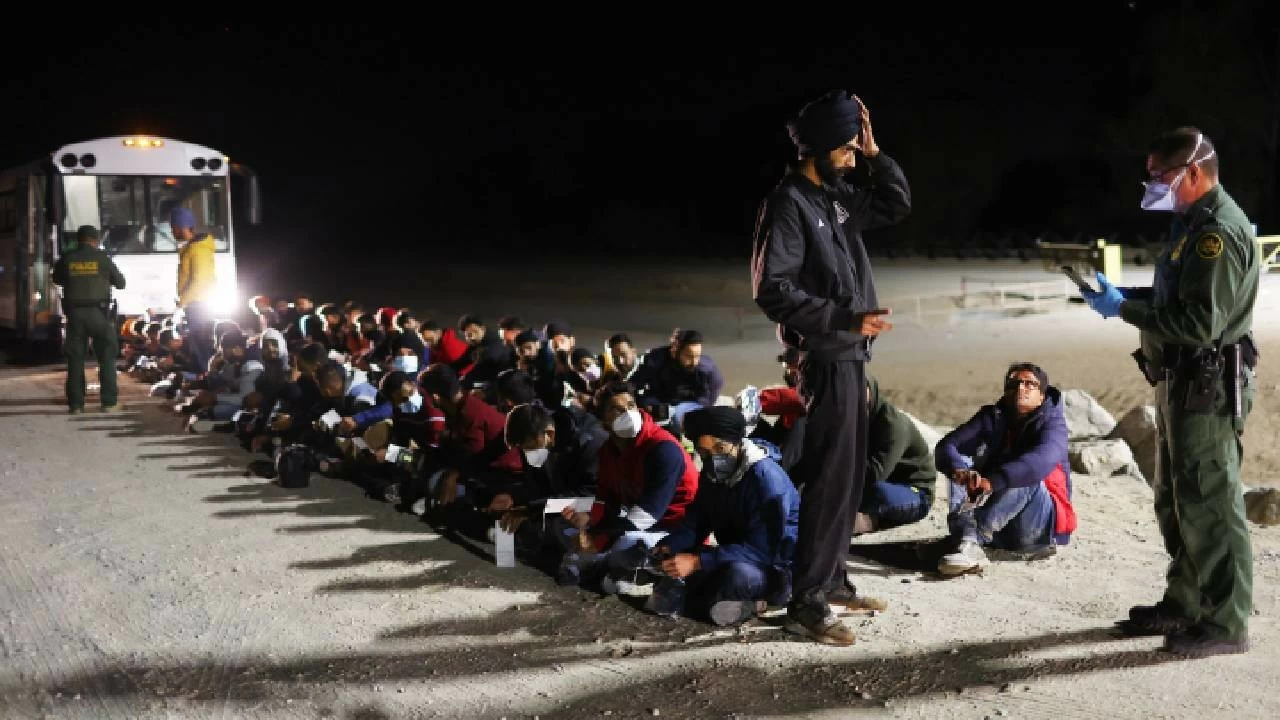


New Delhi: The Ministry of External Affairs (MEA) disclosed that over 24,600 Indian nationals were deported from 81 different countries throughout the year in 2025. The data paints a picture of a tightening global landscape for migration, driven by everything from labour law enforcement in the Middle East to aggressive immigration raids in the West.
The data was presented to the Rajya Sabha by the ministry on December 18, 2025.



Saudi Arabia and the United States emerged primary deportation sites
Saudi Arabia emerged as the primary site of deportation, accounting for nearly half of the global total with over 11,000 Indians sent back. The majority of these cases were linked to "migration-related friction," specifically overstaying visas, breaching residency permits, or violating local labour laws.
Meanwhile, the United States recorded a 16-year high, deporting 3,800 Indians, surpassing the previous 2019 peak of 2,042. Experts link this surge to the Trump administration’s intensified ICE raids and a hardline stance on visa validity and work authorisations. Geographically, the crackdown was highly concentrated, with 3,414 deportations from Washington, DC and 234 from Houston.
The "cyber slavery" crisis
While the Gulf focuses on labour compliance, deportations from Southeast Asia have taken a darker turn. Significant numbers were reported from Myanmar, 1,591; UAE, 1,469; Malaysia, 1,485; Bahrain, 764; Thailand, 481; and Cambodia, 305.
The MEA highlighted that many of these individuals were not traditional "illegal immigrants" but victims of "cyber slavery," lured by fraudulent job rackets into forced criminal activity.
Common causes in the Gulf region include absconding from employers, working without permits, or involvement in civil and criminal cases.
India’s diplomatic response
External Affairs Minister Dr S. Jaishankar emphasised that while India respects the sovereign right of nations to deport illegal residents, the government's priority remains the "unambiguous verification" of nationality and ensuring the humane treatment of its citizens.
The MEA noted that foreign governments often only share data when nationality verification or Emergency Certificates are required. To protect citizens, the government has strengthened the e-Migrate portal to flag fraudulent agents and utilised the Indian Cybercrime Coordination Centre (I4C) to track job scams with 24/7 support through MADAD, CPGRAMS, and social media helplines.