Sign In
By signing in or creating an account, you agree with Associated Broadcasting Company's Terms & Conditions and Privacy Policy.
By signing in or creating an account, you agree with Associated Broadcasting Company's Terms & Conditions and Privacy Policy.
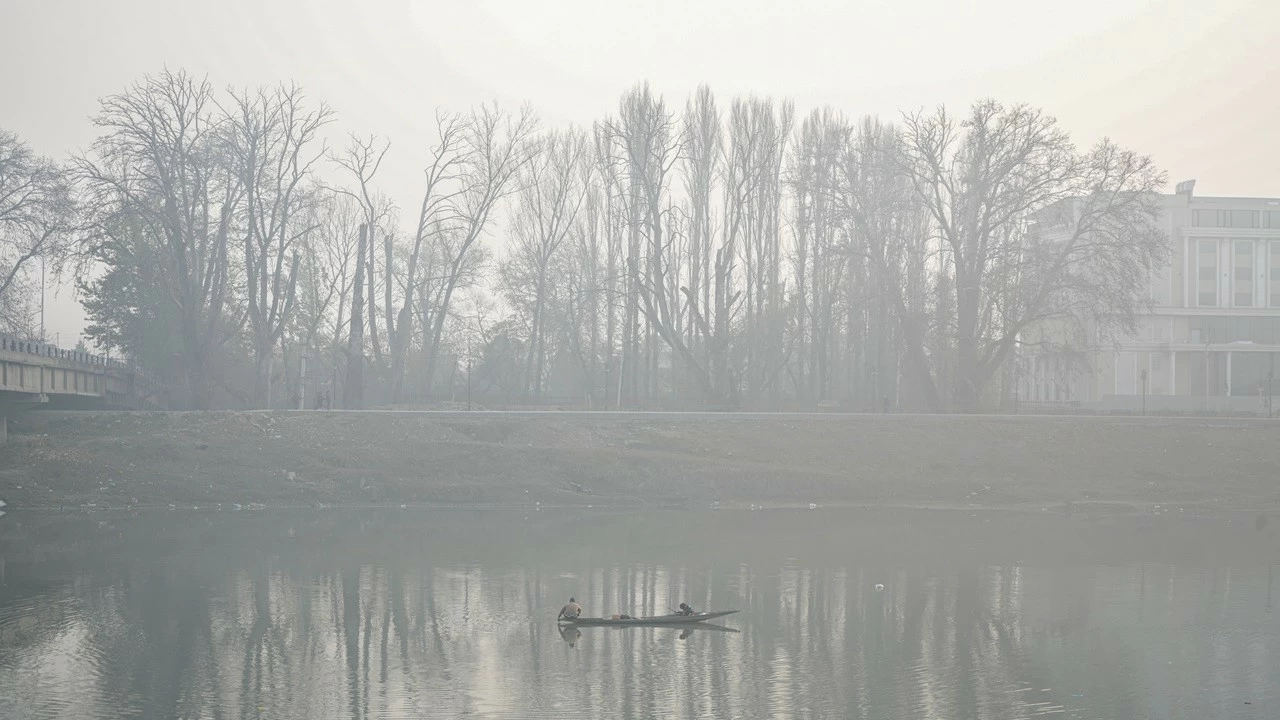

New Delhi: Temperatures plummeted and thick fog enveloped several parts of India as cold wave conditions persisted. According to India Meteorological Department (IMD) prediction, the cold wave conditions may prevail over central Maharashtra, Marathwada, Odisha, Chhattisgarh and Madhya Pradesh till December 13. Telangana and North interior Karnataka will be gripped by cold wave conditions till December 14.
In Kashmir Valley, the temperature dipped sharply. It has dropped to sub-zero levels. Locals are grappling to carry out their daily activities. On Wednesday, the temperature was reported at zero, and it has now reportedly plummeted even further. On Thursday, the minimum temperature was recorded at -2.9 degrees in Srinagar city, IMD data indicated.
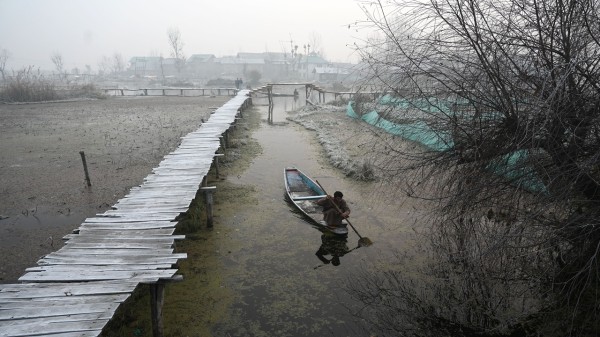
Due to the cold wave conditions, the Rohtang Pass near Manali in Himachal Pradesh’s Kullu district has been cosed. Traffic beyond Darcha has been stopped due to risky conditions.
Cold wave is sweeping across Odisha, paralysing normal life. IMD has sounded yellow alerts in several areas of the state. A yellow alert has been issued for Friday and Saturday. Yellow alert has been issue in Anugul, Sundargarh, Kendrapara, Kalahandi and Koraput for Friday. On Thursday, ANI cited officials as saying that the minimum temperature remained below 10°C in at least 15 locations across 11 of the state’s 30 districts.
Himachal Pradesh and Uttarakhand are currently under the grip of cold wave. Temperatures in both the hill states have plunged and the IMD has issued yellow alerts. The agency predicts cold to severe cold conditions, essentially in Himachal Pradesh, along with light rain or snow in the higher regions because of a weak Western Disturbance affecting the region between December 14-17. Foggy conditions and very cold nights will be witnessed in the lower regions.
On Friday morning, thick smog and dense fog caused poor visibility in Delhi. The average air quality of the city hovered in the “very poor” category at 7 am. It didn't improve much as the day progressed. No cold wave warning was issued for the city. The IMD reported that minimum temperatures went down to around 1°C, while maximum temperatures rose to about 1°C over the past few days. The minimum temperatures were in the range of 8-9 degrees Celsius over Delhi-NCR.
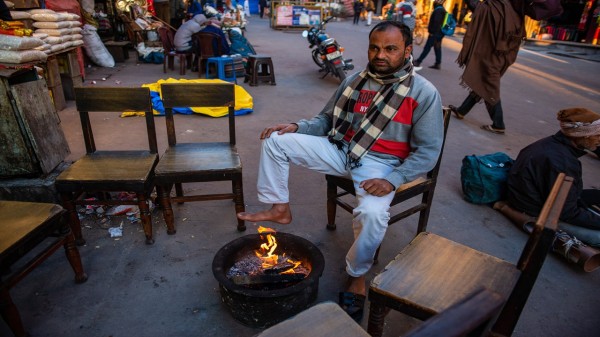
The Met Department has said that the upcoming winters from December to February may witness above normal occurrences of cold wave days. Fog in the morning could hamper visibility and cause traffic disruptions. Rail and air transportation could also be hit.
Earlier, IMD had said in central, northwest and northeast India, the cold conditions are being driven by the polar vortex. Polar vortex is a large area of low pressure and frigid air near the Earth’s poles that strengthens in winter. Coupled with La Niña conditions, the polar vortex is causing extreme cold across the country.
A cold wave is declared when the minimum temperature dips below 10°C and is at least 4.5°C below normal. If this occurs at two or more locations for a minimum of two consecutive days, the cold wave is officially announced on the second day.