Sign In
By signing in or creating an account, you agree with Associated Broadcasting Company's Terms & Conditions and Privacy Policy.
By signing in or creating an account, you agree with Associated Broadcasting Company's Terms & Conditions and Privacy Policy.


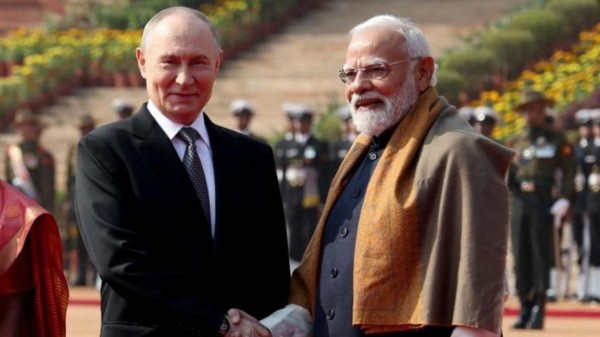
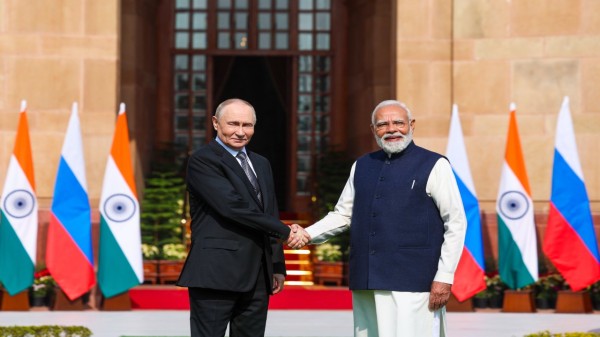
Prime Minister Narendra Modi has increasingly used literature and cultural symbolism in his diplomatic engagements, most recently highlighted by his decision to gift a Russian translation of the Bhagavad Gita to President Vladimir Putin during the Russian leader’s visit to India.
The gesture reinforced his broader effort to carry India’s intellectual and spiritual heritage into international forums and to place cultural understanding at the centre of bilateral ties. This approach has been developing over several years.
A key moment came in 2019 at the Shanghai Cooperation Organisation Summit in Bishkek, where the Prime Minister proposed that ten modern Indian literary works be translated into the languages of all SCO member states.
His intention was to offer readers across these countries direct access to contemporary Indian writing, encouraging cultural familiarity and people to people engagement through literature.
Following this announcement, ministries and Indian embassies began coordinating the translation initiative with a structured plan involving linguistic experts, editors and cultural specialists. Their work focused particularly on producing editions in Russian, Chinese and English, ensuring that the chosen titles retained their literary tone and cultural authenticity. Although the global pandemic created logistical hurdles, India completed the project during its SCO Chairmanship period, releasing the translated works despite the disruptions of the COVID era. The fulfilment of the initiative demonstrated India’s resolve to advance cultural cooperation even in challenging circumstances.
The Prime Minister’s literary outreach is not limited to institutional programmes. Personal diplomatic gestures, such as gifting the Bhagavad Gita in Russian to President Putin, underline the role of cultural heritage in India’s foreign policy. The Gita, with its deep philosophical reflections, serves as a symbol of India’s civilisational continuity and offers an insight into the values that guide Indian thought. Presenting it to a longstanding strategic partner highlighted the cultural dimension of relations between the two nations.
Together, the translations produced for the SCO bloc and the symbolic sharing of sacred texts present a cohesive picture of how the Prime Minister integrates culture with diplomacy. By promoting modern Indian literature alongside timeless scriptures, he seeks to broaden India’s global narrative and create deeper cross cultural connections.