
Sign In
By signing in or creating an account, you agree with Associated Broadcasting Company's Terms & Conditions and Privacy Policy.
By signing in or creating an account, you agree with Associated Broadcasting Company's Terms & Conditions and Privacy Policy.
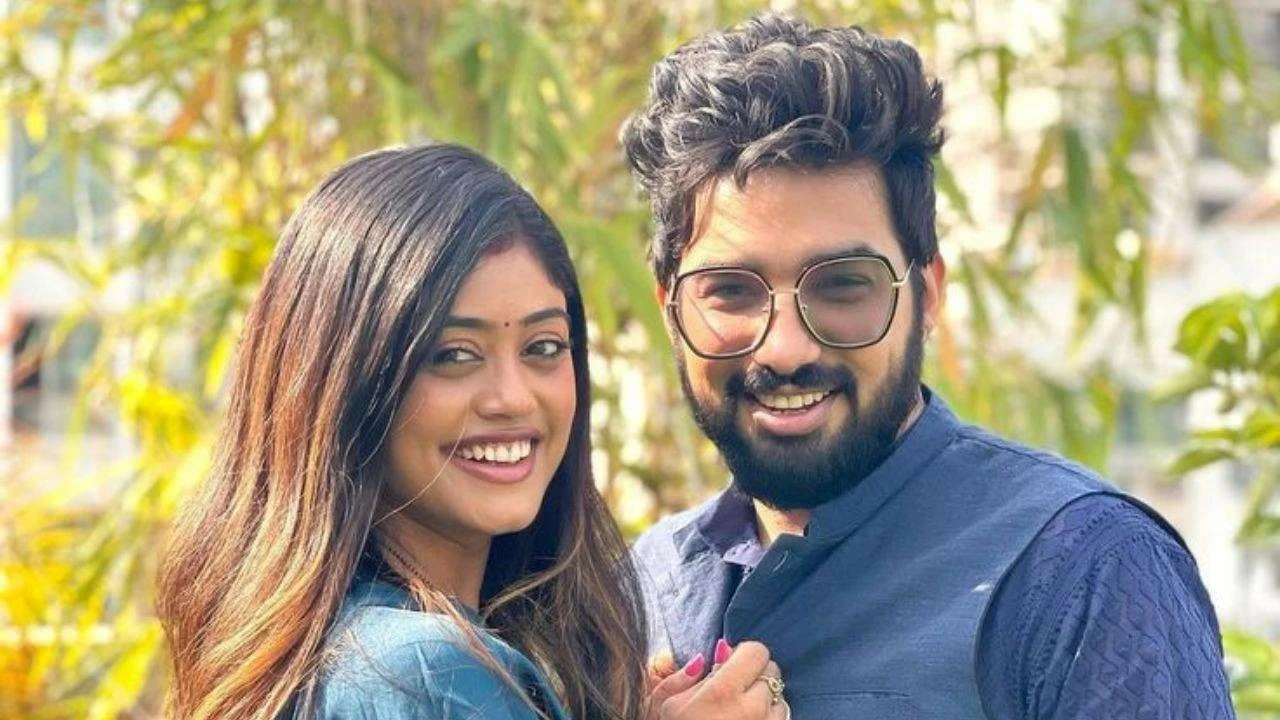


New Delhi: The popular Bollywood music duo Sachet-Parampara have decisively put an end to plagiarism accusations against their hit song Raanjhan. Recently, international producer KMKZ claimed that the duo copied his music and requested that major platforms take the song down. However, these allegations were fully rejected after an industry review, setting off a new legal chapter that could surprise many observers.
The saga started when KMKZ, a foreign musician, accused Sachet-Parampara of using his beats without permission for the song Raanjhan from the film Do Patti. Sachet-Parampara strongly denied copying and quickly presented all their original project files and piano scores to music platforms like YouTube and Spotify. After careful investigation, these platforms found no evidence of copying and confirmed the duo as the rightful creators of the track.
Sachet-Parampara clarified that the chords used centred on a standard F# major progression are common in many songs and do not constitute a unique composition or grounds for copyright. With their creative reputation on the line, the duo’s legal team has now filed a defamation suit against KMKZ, describing the claims as false and only intended to gain publicity. Sachet-Parampara emphasised their dedication to originality and reassured fans that they will stay true to honest music creation. With the controversy cleared by all major music outlets, they now focus on future projects, letting their music speak for itself.
Talking about the matter, Sachet-Parampara said, “The person alleging they composed the music for Raanjhan is making completely baseless accusations, clearly intended to stir controversy and gain visibility. With the consultation of my lawyers, I have issued a defamation notice, and we are prepared to take strict legal action to address this malicious attempt to discredit our work. We’ve already provided the original session files and piano scores to YouTube, Spotify, and other streaming platforms, all of which confirmed our authorship and rejected any other copyright claims.”