Sign In
By signing in or creating an account, you agree with Associated Broadcasting Company's Terms & Conditions and Privacy Policy.
By signing in or creating an account, you agree with Associated Broadcasting Company's Terms & Conditions and Privacy Policy.
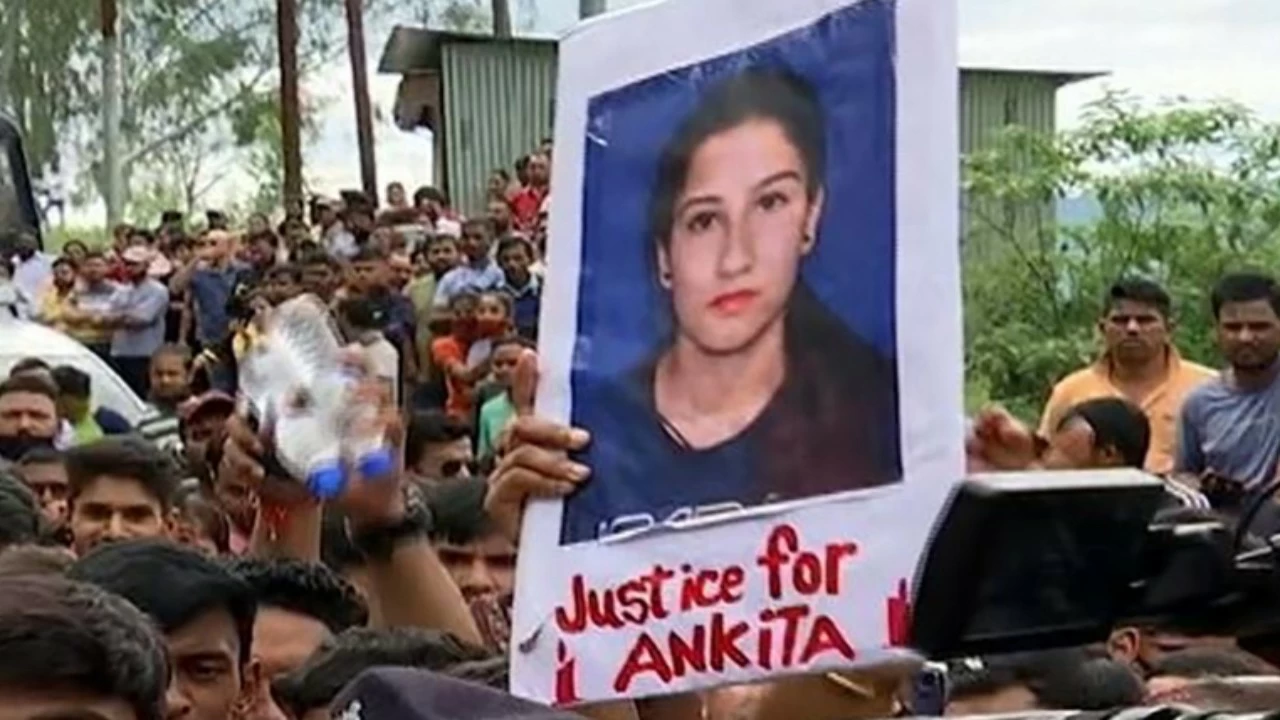


Dehradun: The Ankita Bhandari case has shaken Uttarakhand and raised serious questions about the safety of women working in hotels and resorts. In response, activists and organizations are demanding that the Vishakha Guidelines be strictly implemented across the state’s hospitality sector.
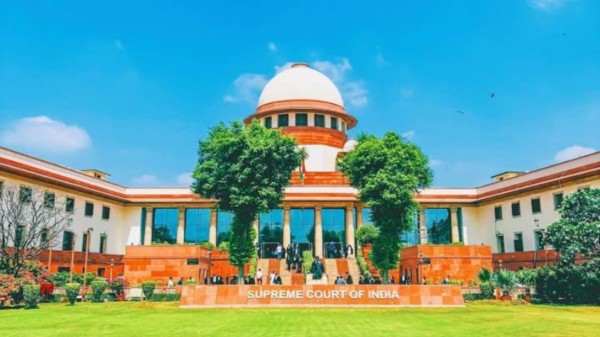
The Vishakha Guidelines were laid down by the Supreme Court in 1997 after the sexual harassment case of Rajasthan social worker Bhanwari Devi.
Court directed all workplaces to follow these guidelines
Several NGOs, including Vishakha, filed a petition, leading the Court to recognize that sexual harassment at the workplace violates women’s fundamental rights under Articles 14, 15, and 21 of the Constitution. Until a clear law was enacted, the Court directed all workplaces to follow these guidelines.
Later, in 2013, the government passed the Sexual Harassment of Women at Workplace (Prevention, Prohibition and Redressal) Act, which made the guidelines legally binding.
Key provisions
Every workplace with more than 10 employees must form an Internal Complaints Committee (ICC). The committee must be headed by a woman. Women can file complaints about physical contact, sexual comments, exposure to obscene material, or any inappropriate behavior. Complaints must be filed within three months of the incident. The committee must complete its investigation within 90 days. Confidentiality of the victim and investigation is mandatory. Pressuring or firing a complainant is a punishable offense.
Why Uttarakhand needs it
Uttarakhand’s tourism and hospitality sector is the backbone of its economy, employing thousands of women. Resorts in hilly and plain areas are often located in isolated places, far from major cities. This makes women employees vulnerable to exploitation and harassment.
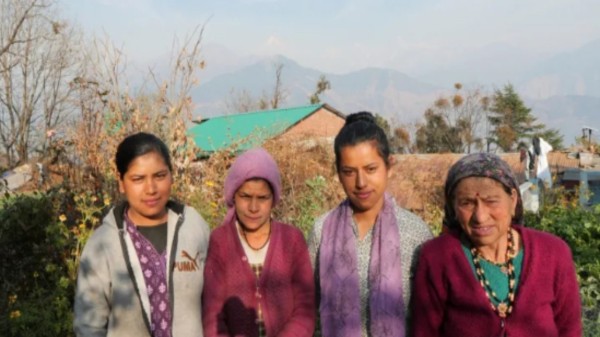
Activists argue that if hotels and resorts had functioning ICCs, cases like Ankita’s could have been prevented. Kamala Pant, President of Uttarakhand Mahila Manch, said, “Our daughters are working in hotels and resorts. Their safety must be ensured by strictly following the Vishakha Guidelines.”
Ankita Case sparks movement
The murder of Ankita Bhandari has become a rallying point for women’s rights groups in Uttarakhand. Radha, a state activist, said, “The Vishakha Guidelines are echoing in Uttarakhand’s hotels and resorts. We need safe workplaces for women.” Protests and public campaigns are being organized to demand that every hotel, resort, and private institution in the state implement these guidelines.
It is the responsibility of hotel and resort owners to create a safe environment, educate employees about the law, and ensure compliance. Failure to do so not only endangers women but also violates legal obligations.
Rajasthan Bhanwari Devi case highlighted workplace sexual harassment in India
The Vishakha Guidelines, born out of a landmark Supreme Court judgment, remain a powerful tool to protect women at workplaces. The Rajasthan Bhanwari Devi case highlighted workplace sexual harassment in India. In 1992, Bhanwari Devi, a grassroots worker, was gang-raped for stopping a child marriage. Her struggle led to the Supreme Court’s Vishakha Guidelines against workplace sexual harassment.