
Sign In
By signing in or creating an account, you agree with Associated Broadcasting Company's Terms & Conditions and Privacy Policy.
By signing in or creating an account, you agree with Associated Broadcasting Company's Terms & Conditions and Privacy Policy.
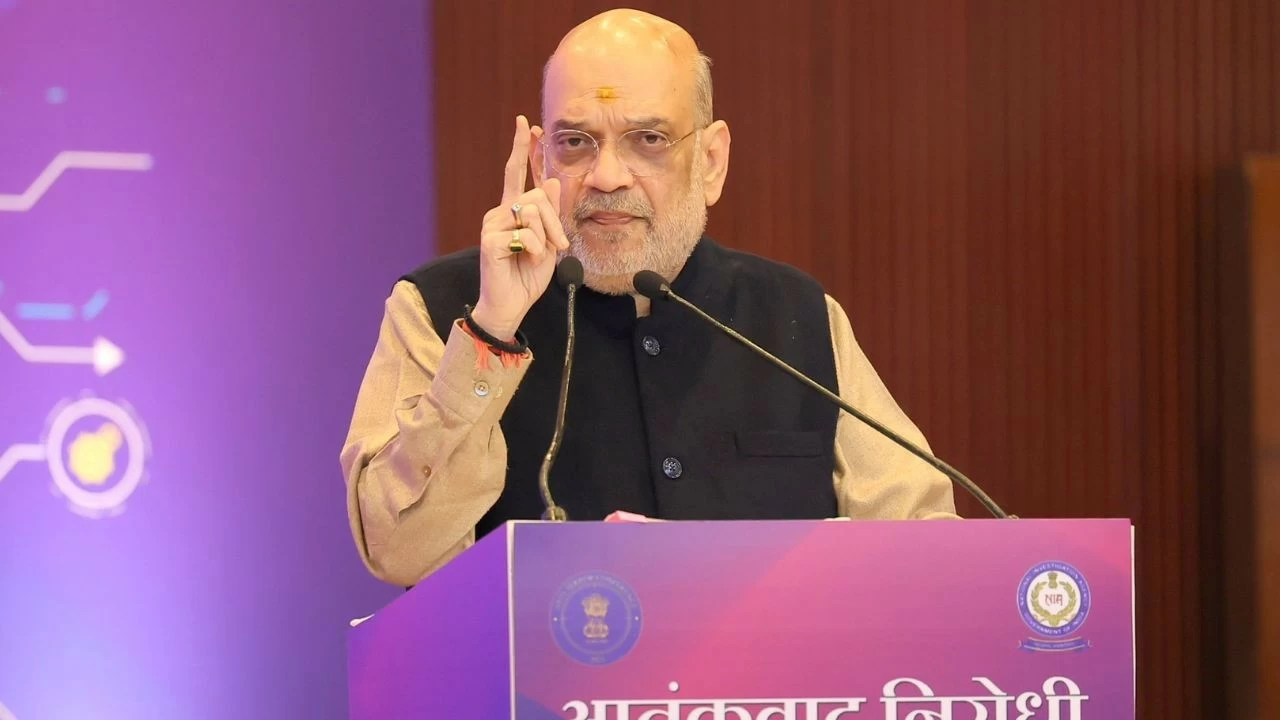


New Delhi: Home Minister Amit Shah on Friday said the people of India, through the country’s security apparatus, have sent a strong and fitting message to what he described as “Pakistan’s terrorist masters” by ensuring a thorough and successful investigation into the deadly Pahalgam terror attack.
Speaking at a high-level anti-terrorism meet, Shah said the probe into the April 22 attack in Jammu and Kashmir’s Pahalgam stands as an example of a “watertight investigation,” reflecting improved coordination and operational efficiency among India’s security agencies. The assault claimed the lives of 26 people, most of them tourists, and triggered a sharp escalation in tensions between India and Pakistan.
After the attack, New Delhi accused Pakistan of backing the perpetrators, an allegation Islamabad strongly denied. The incident led to a series of retaliatory diplomatic steps by both nuclear-armed neighbours and was followed by days of intense missile, drone and artillery exchanges along the border.
The Home Minister made the remarks while inaugurating the Anti-Terrorism Conference 2025, organised by the National Investigation Agency. During the event, Shah also unveiled the NIA’s updated crime manual along with two new databases aimed at strengthening counter-terror and organised crime operations.
Shah said these databases, covering terrorists and criminals—must become a central pillar of India’s “zero-terror” policy. He stressed that comprehensive and real-time data would act as a core asset in preventing, detecting and dismantling terror networks and organised crime syndicates.
He urged directors general of police across states to implement the new database framework “in letter and spirit,” underlining that its effectiveness would depend on seamless adoption at the ground level.
The Home Minister also announced that the government would soon roll out a new strategy to launch what he termed a “360-degree assault on organised crime.” He said the country has already developed a higher standard of coordination, cooperation and communication through platforms such as the DGP Conference, Security Strategy Conference, N-CORD meetings and the Anti-Terrorism Conference.
“These forums cannot be viewed in isolation,” Shah said, adding that the Anti-Terrorism Conference acts as the common thread binding India’s counter-terror architecture together, ensuring a unified national response to evolving security threats.