Sign In
By signing in or creating an account, you agree with Associated Broadcasting Company's Terms & Conditions and Privacy Policy.
By signing in or creating an account, you agree with Associated Broadcasting Company's Terms & Conditions and Privacy Policy.
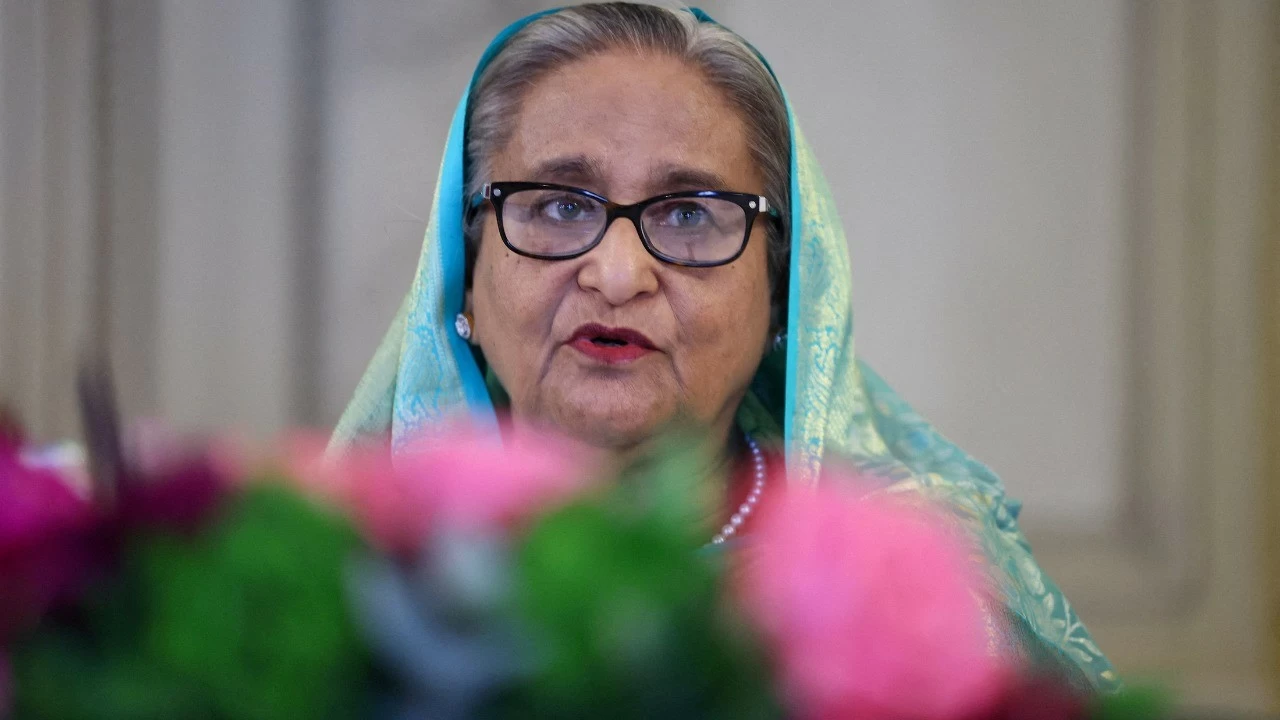


New Delhi: Bangladesh on Sunday said it was “surprised” and “shocked” that India allowed former prime minister Sheikh Hasina to make a public address from New Delhi, warning that the move could hurt bilateral ties.
The 78-year-old Awami League leader has been staying in India since August 2024, after student-led protests brought an end to her 15-year tenure in Bangladesh. On Friday, Hasina delivered her first public speech since leaving office through an audio address to a packed press club in New Delhi.
Bangladesh’s foreign ministry said the decision to allow the event in the Indian capital amounted to an affront to the people and government of Bangladesh, especially as Hasina has been convicted in absentia by a Dhaka court.
According to Bangladeshi authorities, Hasina was found guilty in November on charges of incitement, issuing orders to kill and failing to prevent atrocities. She was sentenced to death.
“The government and the people of Bangladesh are surprised and shocked. Allowing the event to take place in the Indian capital and letting mass murderer Hasina openly deliver her hate speech... constitute a clear affront to the people and the Government of Bangladesh,” the foreign ministry said in a statement.
It added that permitting such a speech created “a dangerous precedent” and could “seriously impair bilateral relations” between Bangladesh and India.
Hasina’s address came less than three weeks before Bangladesh’s general election scheduled for February 12. In the speech, she urged citizens to rise against the interim administration led by Muhammad Yunus, claiming it could not ensure free and fair polls.
She accused Yunus of betraying the nation and conspiring to remove her government, invoking the legacy of the 1971 Liberation War to rally support.
“In this grave hour, the entire nation must rise united and galvanised by the spirit of our great Liberation War.
“To overthrow the foreign-serving puppet regime of this national enemy at any cost, the brave sons and daughters of Bangladesh must defend and restore the Constitution written in the blood of martyrs, reclaim our independence, safeguard our sovereignty, and revive our democracy,” she said.
Hasina alleged that Bangladesh had descended into chaos since her ouster in August 2024, blaming Yunus and what she described as “anti-state militant accomplices” for engineering a plot against her administration.
“Democracy is now in exile. Human rights have been trampled into the dust. Freedom of the press has been extinguished. Violence, torture, and sexual assault against women and girls remain unchecked. Religious minorities face continuous persecution. Law and order have collapsed,” she said.
At the same time, she called for an end to violence and lawlessness in the country, seeking stronger protections for religious minorities, women and vulnerable groups.
Hasina also demanded that the United Nations carry out what she described as a “new and truly impartial investigation” into developments following the fall of her government.
The event saw participation, either in person or online, from several Awami League leaders. Former education minister Mohibul Hasan Chowdhury and former foreign minister AK Abdul Momen echoed Hasina’s criticism of Yunus, arguing that the upcoming election would lack credibility without their party’s involvement.