Sign In
By signing in or creating an account, you agree with Associated Broadcasting Company's Terms & Conditions and Privacy Policy.
By signing in or creating an account, you agree with Associated Broadcasting Company's Terms & Conditions and Privacy Policy.
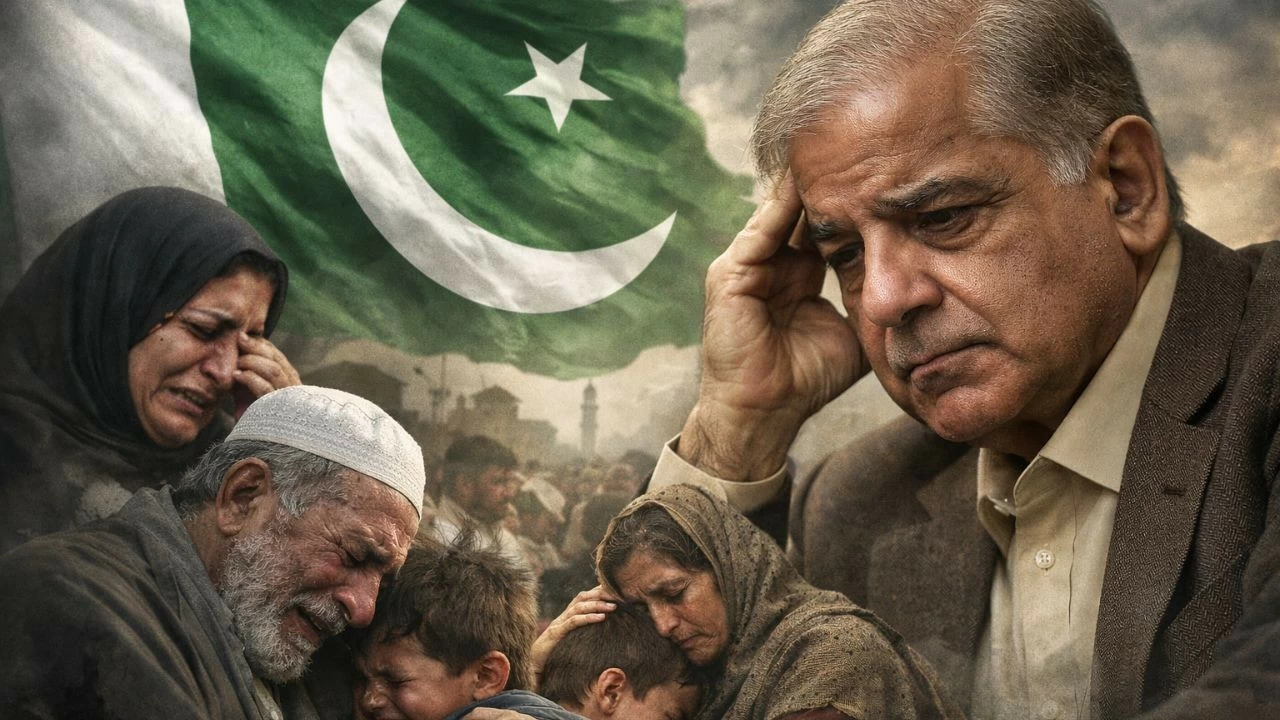

New Delhi: Pakistan is counted among the nations recording the highest population growth rates in the world. The situation in the Islamic nation has worsened after the IMF refused to reduce the 18 per cent GST on contraceptives. This rejection has placed the Shehbaz Sharif government in a state of ignominy.
The Federal Board of Revenue (FBR) had approached the IMF seeking tax relief on the sale of contraceptives. It estimated the potential revenue loss from such a move to be between 400 million and 600 million Pakistani rupees. Additionally, the IMF also declined requests to slash taxes on products such as sanitary napkins and baby diapers.
According to the IMF, requests for tax exemptions cannot be approved in the middle of a fiscal year. It stated that any further discussions on the matter would only be considered during the planning of the upcoming federal budget for 2026–27. The international organisation further warned Islamabad that such tax exemptions could pave the way for smuggling and weaken tax enforcement mechanisms.
Pakistan had no option but to bow down to the IMF, as it is currently operating under a bailout programme. The rescue package, valued at approximately $7 billion, imposes multiple restrictions on tax policy, revenue targets, and fiscal discipline.
Over the past 1.5 years, the IMF has imposed nearly 60 conditions, with 11 new ones added recently, as part of a calculated effort to crack down on corruption.
This contentious move comes at a time when Islamabad is grappling with severe economic distress and rampant inflation. The country’s population is growing at a menacing annual rate of 2.55 per cent—adding roughly six million people every year—placing immense pressure on public services such as healthcare, education, and infrastructure.
Several health experts argue that the decision has further jeopardised Pakistan’s situation. They warn that costlier contraceptives could prove risky, as they may undermine the country’s already fragile family planning initiatives.