Sign In
By signing in or creating an account, you agree with Associated Broadcasting Company's Terms & Conditions and Privacy Policy.
By signing in or creating an account, you agree with Associated Broadcasting Company's Terms & Conditions and Privacy Policy.
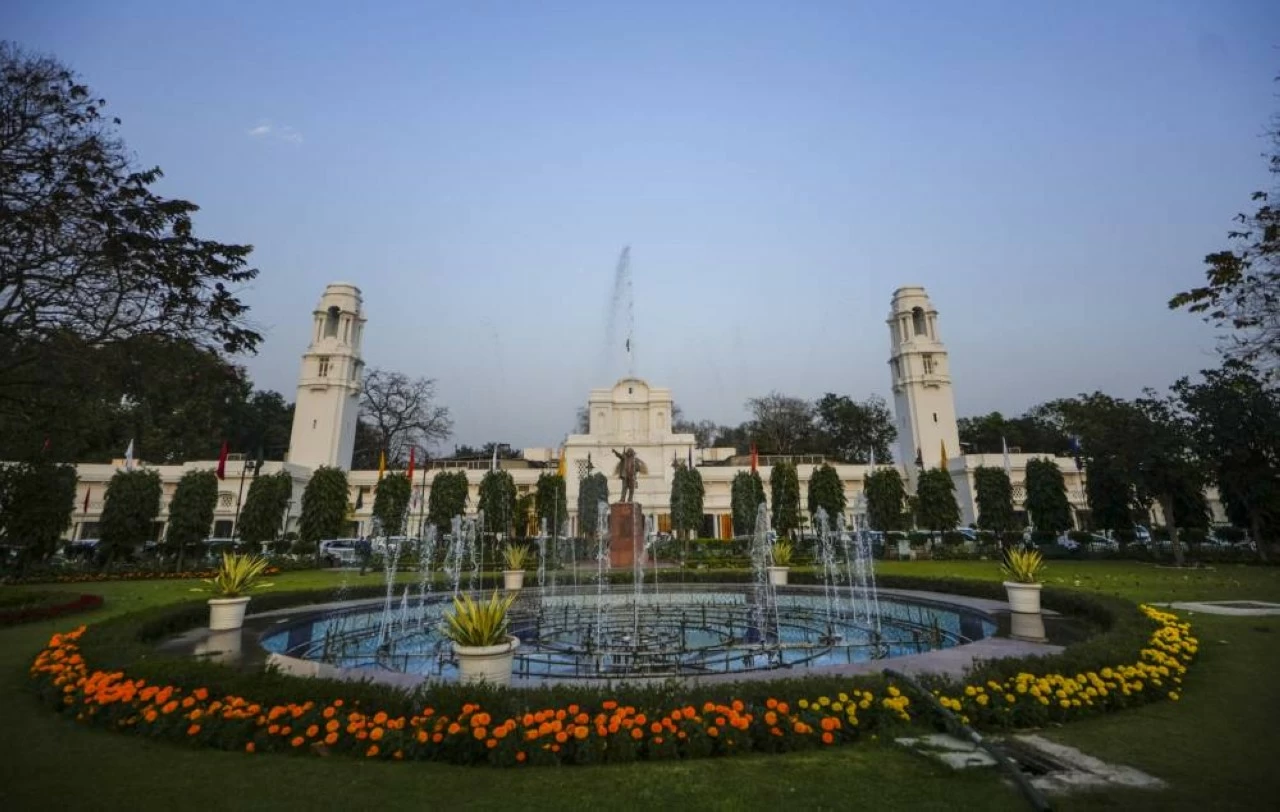

New Delhi: The Delhi Assembly will convene for its monsoon session on August 4, ushering in a new era of digital governance with its first fully paperless proceedings. Lieutenant Governor VK Saxena formally summoned the House on Monday, with the session scheduled to begin at 2 PM, officials from the assembly secretariat confirmed.
This landmark move is part of the National e-Vidhan Application (NeVA) project, designed to modernise legislative practices across India. In preparation, Members of the Legislative Assembly (MLAs) recently attended a three-day training session to familiarise themselves with the digital system.
The Assembly last met between March 24 and April 2, during which Chief Minister Rekha Gupta presented the 2025–26 budget in her additional role as Finance Minister.
One of the key items on the agenda is the Delhi School Education Transparency in Fixation and Regulation of Fees Bill, 2025. The proposed legislation, based on an ordinance cleared by the Cabinet in April, seeks to curb arbitrary fee hikes by private schools.
Under its provisions, schools imposing unjustified increases face fines of Rs 1 lakh to Rs 5 lakh for initial offences, rising to Rs 10 lakh for repeat violations. Institutions that fail to refund excess fees promptly will incur escalating penalties, doubling after 20 days and tripling after 40 days, with further increases thereafter.
Repeat offenders could also be barred from holding managerial posts or submitting future fee proposals.
The session is also likely to see heated political clashes between the ruling BJP and the Opposition Aam Aadmi Party (AAP).
BJP chief whip Abhay Verma said the party would use the session to highlight its achievements and focus on public welfare. However, AAP leaders signalled plans to confront the government over civic and governance concerns. Atishi, a senior AAP leader, accused the BJP-led administration of “failing Delhiites”, pointing to recurring power cuts, waterlogging, soaring school fees, and demolition drives.