New Delhi: Taking a major step towards bolstering electric mobility and combating pollution, the Delhi government has unveiled the draft of its ambitious Electric Vehicle (EV) Policy 2.0.
Poised to inject fresh momentum into the capital's green transport initiatives, the new policy places a strong emphasis on building robust charging infrastructure, pioneering battery recycling solutions, and revolutionising last-mile connectivity.
Chief Minister Rekha Gupta has convened a crucial Group of Ministers (GoM) meeting for Thursday to finalise discussions on the draft. Following this, the proposed policy will be released for public and stakeholder suggestions, aiming to forge a comprehensive and effective framework for Delhi's electric future. Officials anticipate that EV Policy 2.0 could be implemented as early as the New Year, replacing the current policy set to expire on December 31st.
The preceding EV policy, introduced in August 2020 for three years and subsequently extended, did not yield the anticipated significant surge in electric vehicle sales. Recognising the need for a more impactful strategy, CM Rekha Gupta formed a committee chaired by Cabinet Minister Ashish Sood, whose diligent work has now culminated in this forward-thinking draft.
Three Pillars of Delhi's Electric Future
Sources indicate that EV Policy 2.0 is strategically structured around three pivotal areas:
Pioneering battery recycling: Acknowledging the challenges posed by the disposal of old lithium-ion batteries, which typically have an 8-year lifespan, the new draft proposes an initiative for Delhi. It aims to establish a structured battery recycling chain, creating a comprehensive system for the collection, recycling, and safe disposal of these crucial EV components. This marks a first-of-its-kind endeavour for the city.
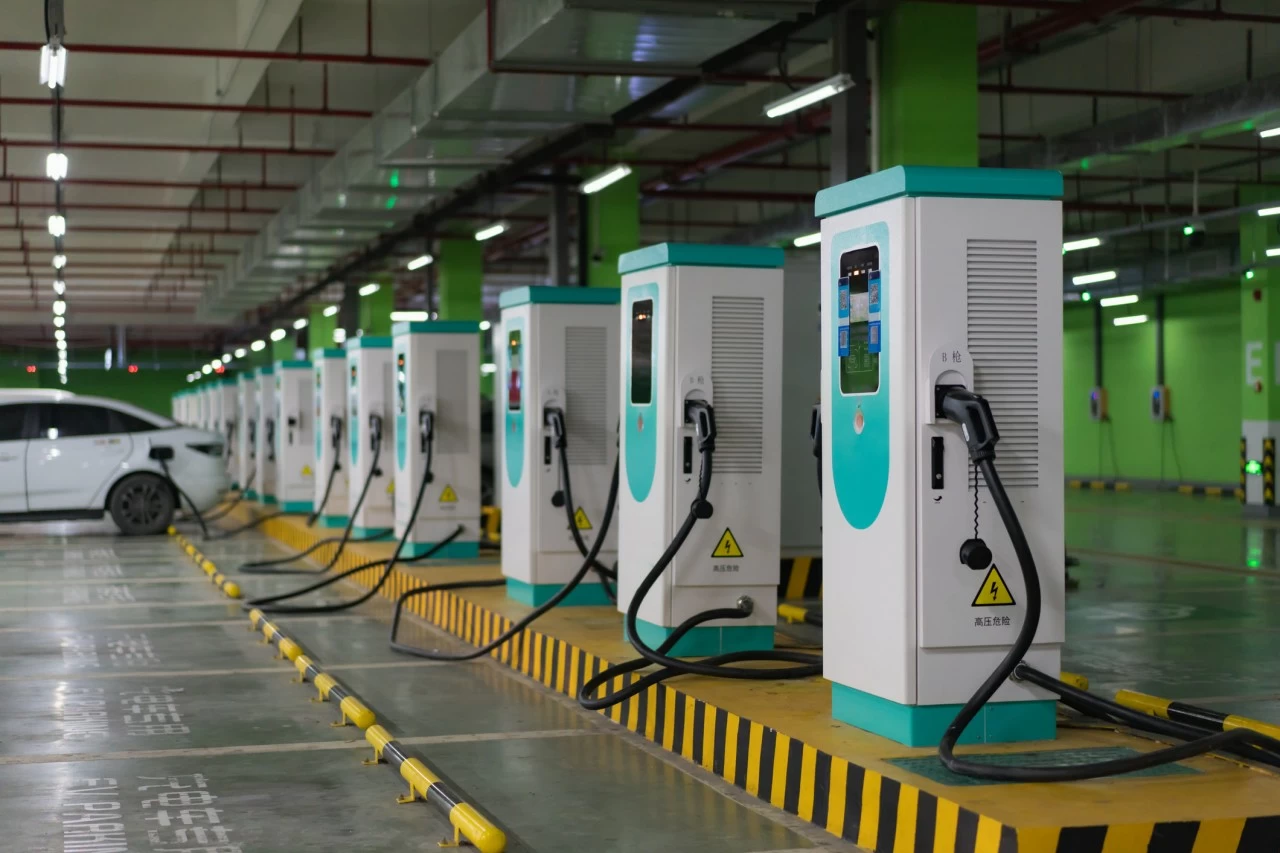
Massive expansion of charging infrastructure: Recognising that accessible and fast charging facilities are fundamental to widespread EV adoption, the government has set an ambitious target of establishing 5,000 public charging stations across Delhi by 2030. Each station is projected to host 4-5 charging points. These vital hubs will be strategically developed in key locations, including multi-level parking facilities, residential welfare associations (RWAs) and society complexes, government buildings and offices, and along major arterial roads.
Transforming last-mile connectivity: A significant proposal within the new EV policy aims to overhaul last-mile transport options. The government is exploring the introduction of small, 7-passenger plus 1-driver electric vans, drawing inspiration from successful rural service models. These agile EV vans are designed to operate effectively in challenging areas such as narrow colonies, bustling crowded markets, and the vicinity of metro stations, where larger buses often cannot reach. Furthermore, the policy includes a proposal for organised route planning for e-rickshaws, intending to streamline their operations and enhance efficiency across the city.
Anticipated impact and implementation
Officials are optimistic that the new EV policy will deliver multifaceted benefits to Delhi. Beyond reducing critical air pollution, it is expected to significantly increase access to public transportation, stimulate investment in the burgeoning EV industry, and pave the way for considerable job creation within the charging and battery sectors. The expansion of new EV vans and charging infrastructure is viewed as a crucial step towards making daily commutes easier and fostering a healthier environment for all Delhiites.