
Sign In
By signing in or creating an account, you agree with Associated Broadcasting Company's Terms & Conditions and Privacy Policy.
By signing in or creating an account, you agree with Associated Broadcasting Company's Terms & Conditions and Privacy Policy.
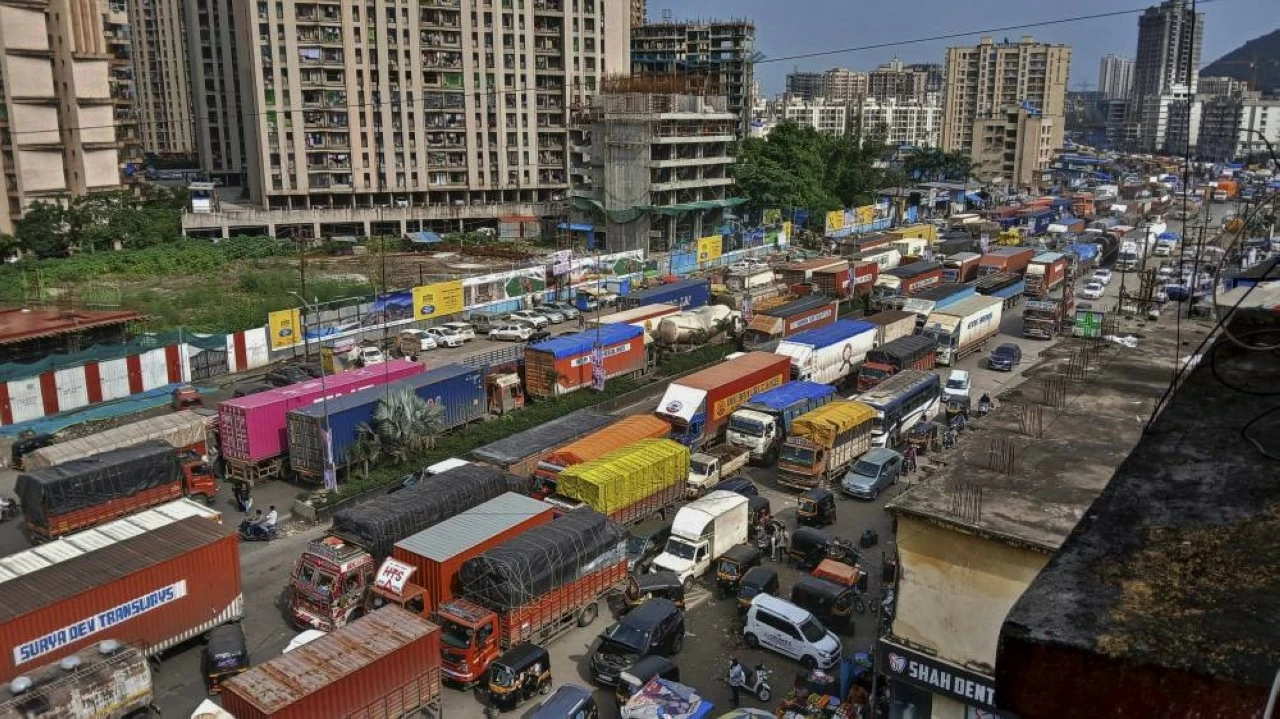

New Delhi: In the bustling heart of India’s sprawling metropolises, traffic congestion has evolved from a daily frustration to a defining feature of urban life. From the colonial charm of Kolkata’s boulevards to the sleek, tech-centric streets of Bengaluru, commuters across the country find themselves trapped in an ever-expanding web of gridlock.
Kolkata now claims the dubious honour of being India’s most congested city, overtaking Bengaluru for the first time. The average time to travel just 10 kilometres in the city of joy now stretches to 34 minutes and 33 seconds, a significant increase from last year. On a global scale, only Barranquilla in Colombia fares worse. The city’s narrow streets, intricate tram systems, and unpredictable traffic flow contribute to the daily chaos that many have come to accept as part of life.
Once infamous for its traffic nightmares, Bengaluru now sits just behind Kolkata in third place globally, with an average journey time of 34 minutes and 10 seconds for a 10-kilometre trip. The city’s transformation into a tech hub, with its sprawling IT parks, has brought prosperity but also an unrelenting increase in the number of private vehicles. With over 2.5 million cars on the road and thousands more being added daily, Bengaluru is gasping under the weight of its own success.
Pune, once renowned for its relaxed pace, has swiftly urbanised, bringing with it the all-too-familiar burden of traffic congestion. Ranked fourth globally, the average commute time for just 10 kilometres now stands at 33 minutes and 22 seconds. The city’s rapid growth, coupled with inadequate road expansion and poor public transport, has led to a situation where roads are simply unable to cope with the volume of vehicles.
| Rank | City | State | Average travel time per 10 km | Time lost per year during rush hours | Global rank |
|---|---|---|---|---|---|
| 1 | Kolkata | West Bengal | 34 minutes 33 seconds | 110 hours | 2 |
| 2 | Bengaluru | Karnataka | 34 minutes 10 seconds | 117 hours | 3 |
| 3 | Pune | Maharashtra | 33 minutes 22 seconds | 108 hours | 4 |
| 4 | Hyderabad | Telangana | 31 minutes 30 seconds | 85 hours | 18 |
| 5 | Chennai | Tamil Nadu | 30 minutes 20 seconds | 94 hours | 31 |
| 6 | Mumbai | Maharashtra | 29 minutes 26 seconds | 103 hours | 39 |
| 7 | Ahmedabad | Gujarat | 29 minutes 3 seconds | 73 hours | 43 |
| 8 | Ernakulam | Kerala | 28 minutes 30 seconds | 88 hours | 50 |
| 9 | Jaipur | Rajasthan | 28 minutes 28 seconds | 83 hours | 52 |
| 10 | New Delhi | Delhi | 23 minutes 24 seconds | 76 hours | 122 |
Urban planners point to a combination of factors behind the gridlock:
The impact of this congestion goes beyond simply arriving late. Prolonged traffic jams have far-reaching consequences for the economy, with productivity losses and increased fuel consumption.
While the scale of the problem is daunting, experts are optimistic that a combination of infrastructure improvements, policy changes, and a shift in public behaviour could ease the situation.