Sign In
By signing in or creating an account, you agree with Associated Broadcasting Company's Terms & Conditions and Privacy Policy.
By signing in or creating an account, you agree with Associated Broadcasting Company's Terms & Conditions and Privacy Policy.
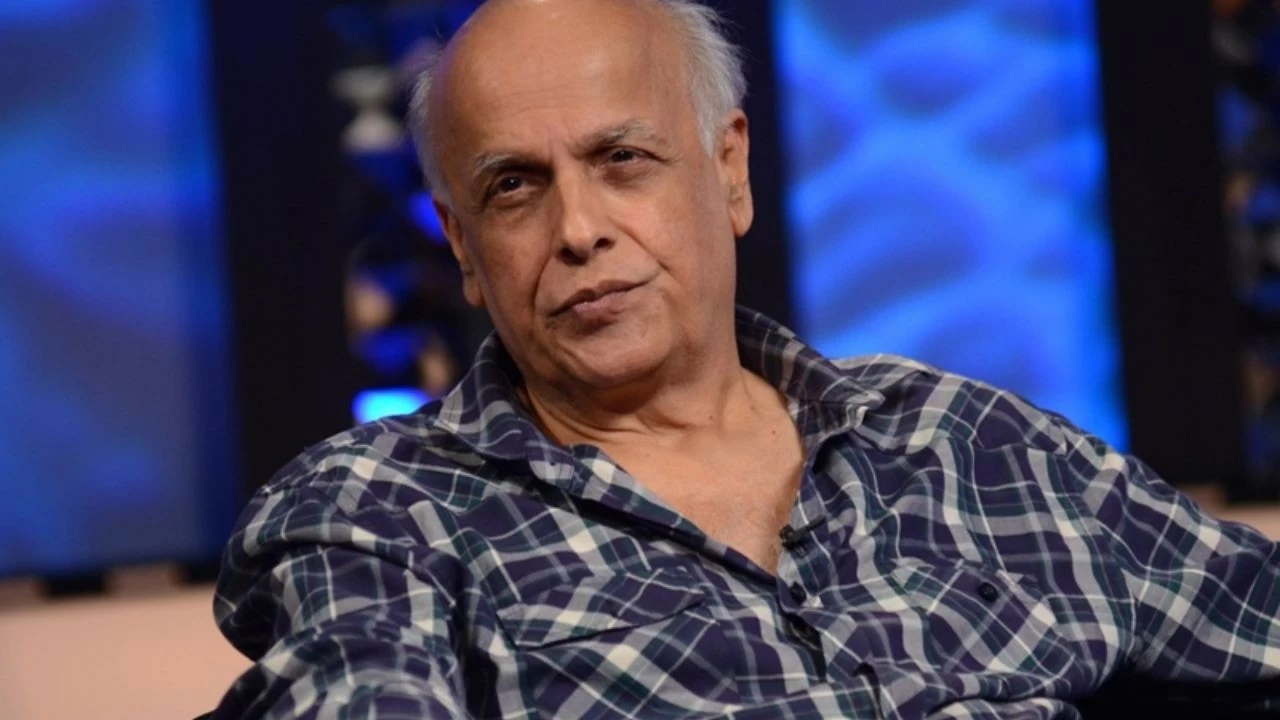

New Delhi: Filmmaker Mahesh Bhatt shared with News9 a deeply personal story about censorship and how it silently shapes artists over time. His first experience with censorship came very early in his life.
At just 22 years old, his debut film Manzilein Aur Bhi Hai (early 1970s) was denied a censor certificate. The official reason was that the film questioned the “sacred institution of marriage.”
What followed was his first real encounter with power. The government formed a Film Industry Committee of Self-Censorship to review the film. It was supposed to be a fair peer review, but it felt more like a trial. Senior film personalities watched the film, and Bhatt was made to stand alone while they questioned and criticised him. Their eyes were not curious but accusing. In the end, they even agreed that the film should not be cleared.
This rejection hurt deeply. When authority rejects you, it hurts. But when people from your own industry turn away, the pain goes much deeper. That day, Bhatt walked all the way from Marine Lines to Mahim. His feet were blistered, but the emotional wound was far worse.
That experience planted a “watcher” inside him. From then on, before writing a scene or imagining a character, a voice in his head would ask: Will this be allowed? Will this offend someone? Will this cause trouble? This, Bhatt explains, is how self-censorship is born. It happens not when someone bans your work, but when you start censoring yourself.
Years later, his autobiographical film Zakhm faced similar resistance. Though the censor board had cleared it, more approvals were demanded. Months were lost in delays and pressure. Again, the question was not about one film, but about who decides what adults are allowed to see.
Many thought the internet and streaming platforms would end censorship. But censorship did not disappear—it changed form. Today, it exists in online outrage, boycott threats, social media attacks, and fear-driven silence. The old censor used scissors. The new censor uses fear.
Bhatt believes art cannot grow under constant watch. Cinema is not meant to teach good behaviour—it is a mirror, and mirrors often make society uncomfortable. Censorship, he warns, never really dies. It simply moves inside us and changes its uniform.