Sign In
By signing in or creating an account, you agree with Associated Broadcasting Company's Terms & Conditions and Privacy Policy.
By signing in or creating an account, you agree with Associated Broadcasting Company's Terms & Conditions and Privacy Policy.
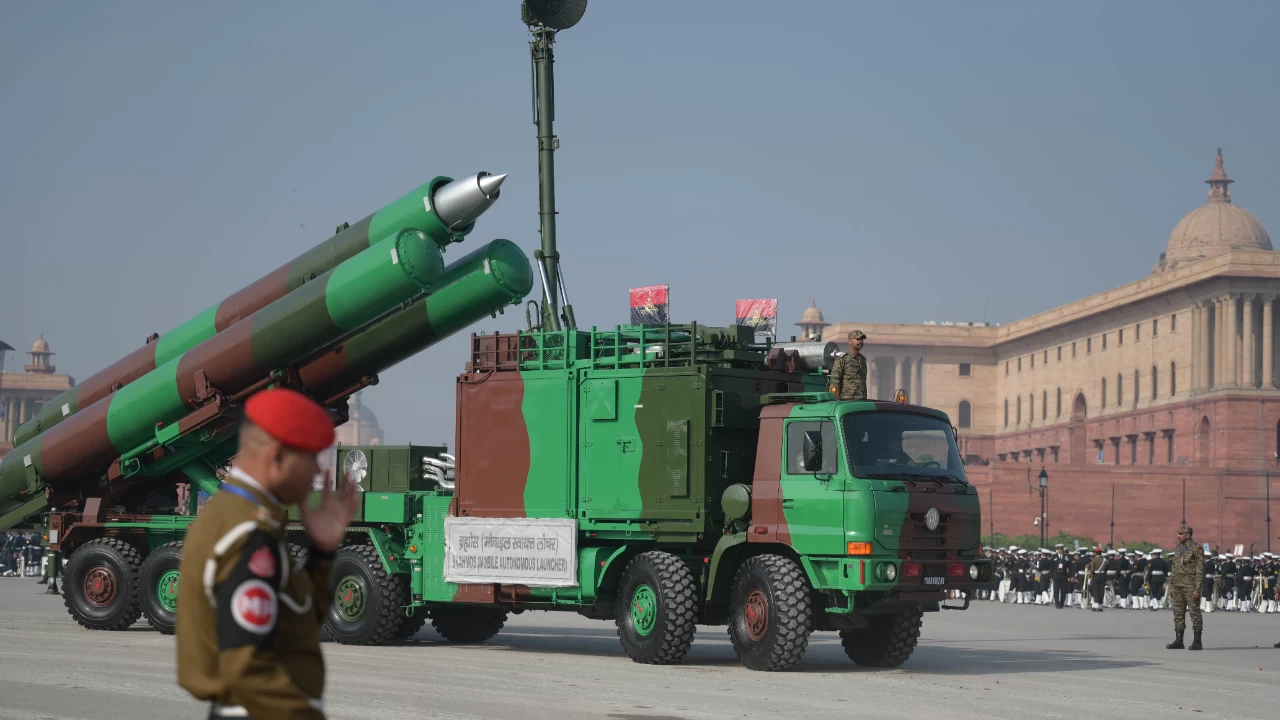

New Delhi: Nishant Agarwal, a scientist at the BrahMos Aerospace Limited, has been largely absolved of the most severe charges relating to passing sensitive defence secrets. Agarwal was arrested in 2018 amid allegations of leaking classified information to Pakistani intelligence operatives.
Agarwal is now eligible for immediate release, having already served the three-year sentence for his sole remaining conviction for carrying official documents on his personal device. His espionage case had sent shockwaves through India's defence establishment in 2018.
The unexpected ruling from a higher judiciary body overturns a previous lower court verdict that had sentenced Agarwal to a hefty 14 years in prison under the Information Technology Act and the Official Secrets Act for allegedly using IT systems to transmit classified data to adversaries. This significant development effectively brings to an end a legal battle that captivated national attention due to the sensitive nature of the alleged breach involving India's potent BrahMos missile program.
Agarwal's ordeal began in October 2018 when he was apprehended in a joint operation by Military Intelligence (MI) and the Anti-Terrorism Squad (ATS) of Uttar Pradesh and Maharashtra. Employed in the technical research section of BrahMos Aerospace Private Limited (BAPL), an Indo-Russian joint venture responsible for manufacturing the formidable BrahMos missiles, Agarwal was accused of compromising crucial national security.
Investigations at the time painted a picture of a sophisticated cyber-trap. Crucial documents pertaining to the BrahMos missile were discovered on Agarwal’s personal computers, a clear violation of BAPL’s stringent security protocols. The method of compromise, as detailed by the prosecution, involved a deceptive online persona named 'Sejal.'
'Sejal' was reportedly part of a group actively engaged in sharing tactics and data to deceive Indian defense personnel. Posing as a recruiter for UK's Hays Aviation on LinkedIn, 'Sejal' initiated contact with Agarwal, feigning interest in hiring him. Over time, 'Sejal' directed Agarwal to click on malicious links and install three specific applications on his personal laptop in 2017 like Qwhisper, Chat to Hire, and X-trust. These seemingly innocuous apps were, in reality, sophisticated malware designed to surreptitiously steal data from Agarwal's device – a device that, critically, contained classified information in violation of company norms.
Despite the initial grave allegations and the detailed account of the cyber-enabled compromise, the higher judiciary has meticulously reviewed the evidence. While absolving Agarwal of the primary charges related to the actual transmission of secrets, the court upheld his conviction solely for the possession of official documents on his personal device. For this offense, the lower court had initially handed down a three-year prison sentence.