Sign In
By signing in or creating an account, you agree with Associated Broadcasting Company's Terms & Conditions and Privacy Policy.
By signing in or creating an account, you agree with Associated Broadcasting Company's Terms & Conditions and Privacy Policy.
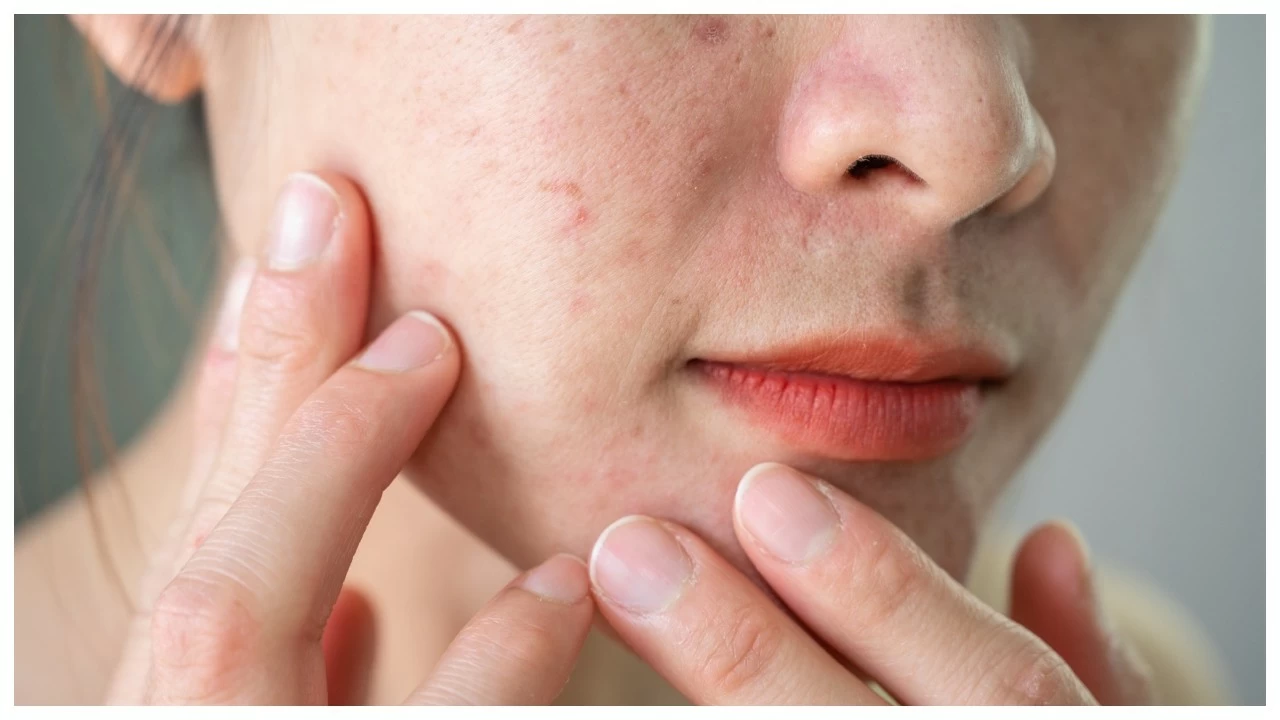

New Delhi: A common acne treatment might have an unexpected connection to one of the most complex mental health disorders. A new study from the University of Edinburgh has found that teenagers who were prescribed doxycycline were less likely to be diagnosed with schizophrenia as adults, compared with those who had taken other antibiotics. The finding is surprising — and the researchers admit it can’t prove the drug offers any real protection — but it has raised interest within psychiatric circles.
Schizophrenia usually appears in late adolescence or early adulthood, often without much warning, and can bring hallucinations, disordered thoughts, social withdrawal, and confusion. Around 23 million people worldwide live with the condition. Despite that number, the WHO says most patients never receive specialist care.
Doxycycline, on the other hand, is best known as a go-to antibiotic for acne in young people. Because it can cross into the brain, scientists have long wondered whether it may influence inflammation or immune activity linked to psychiatric disorders. A Danish study last year hinted at something similar, noting that schizophrenia patients taking the drug were less likely to end up on disability pensions — a small signal, but one that prompted further investigation.
To explore the idea more thoroughly, researcher Ian Kelleher and colleagues looked at data from over 56,000 people born in Finland between 1987 and 1997. All of them had visited child or adolescent mental health services and had also been given antibiotics at some point in their youth. When the data were broken down by antibiotic type, those who took doxycycline had a noticeably lower risk of developing schizophrenia over the next decade. The numbers weren’t huge — a drop from 2.1 per cent to 1.4 per cent — but the difference was consistent.
What might be happening is still up for debate. Some scientists think an infectious trigger may contribute to schizophrenia in a small subset of people, and doxycycline might simply be eliminating it. Others think the explanation lies in inflammation. A 2019 study using lab-grown brain cells found that minocycline, a drug in the same family, helped reduce excessive pruning of synapses — a process many researchers believe plays a role in schizophrenia’s development.
Kelleher says roughly half of those who eventually develop schizophrenia had earlier contact with youth mental health services — but there’s still no proven way to intervene early. That’s why the new findings, even with all their limitations, have drawn such interest. More work will be needed before anyone considers doxycycline as a preventive option. But for now, the results point to a line of research that hadn’t been seriously explored, and one that could eventually reshape how early psychiatric risk is managed.