Sign In
By signing in or creating an account, you agree with Associated Broadcasting Company's Terms & Conditions and Privacy Policy.
By signing in or creating an account, you agree with Associated Broadcasting Company's Terms & Conditions and Privacy Policy.
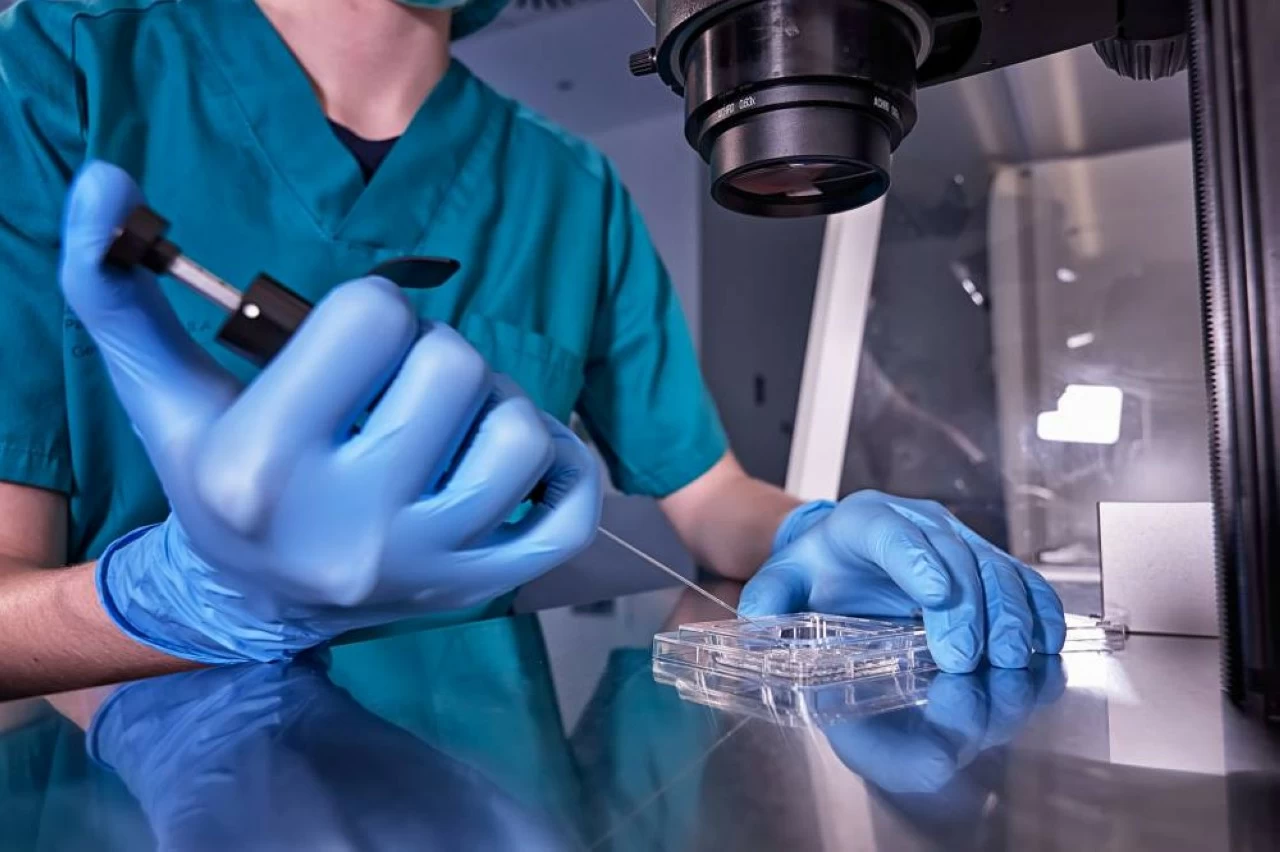


New Delhi: Waterborne disease is a disease caused by a pathogen like bacteria, viruses, or parasites through contaminated water. Cholera, typhoid fever, hepatitis A, and giardiasis are some of the waterborne diseases. Although the diseases have been attributed to gastrointestinal illness, they bear great reproductive health implications—namely for those or couples who are pursuing In Vitro Fertilization (IVF).
In an interaction with TV9 English, Dr Puneet Rana Arora, Reproductive Health and IVF Expert, CIFAR, Gurugram, explained how waterborne diseases can have an impact on IVF results.
Precautionary Measures
Sip purified or boiled water, particularly where there is a compromise in sanitation.
Avoid raw food prepared with untreated water.
Practice good personal hygiene and hand hygiene.
Conclusion
Waterborne illness is a significant, though underappreciated, risk factor for IVF failure. Avoidance therapy, proper consumption of drinking water, and proper infection treatment are critical to the preservation of reproductive well-being and the best prospects for successful IVF.