

Sign In
By signing in or creating an account, you agree with Associated Broadcasting Company's Terms & Conditions and Privacy Policy.
By signing in or creating an account, you agree with Associated Broadcasting Company's Terms & Conditions and Privacy Policy.
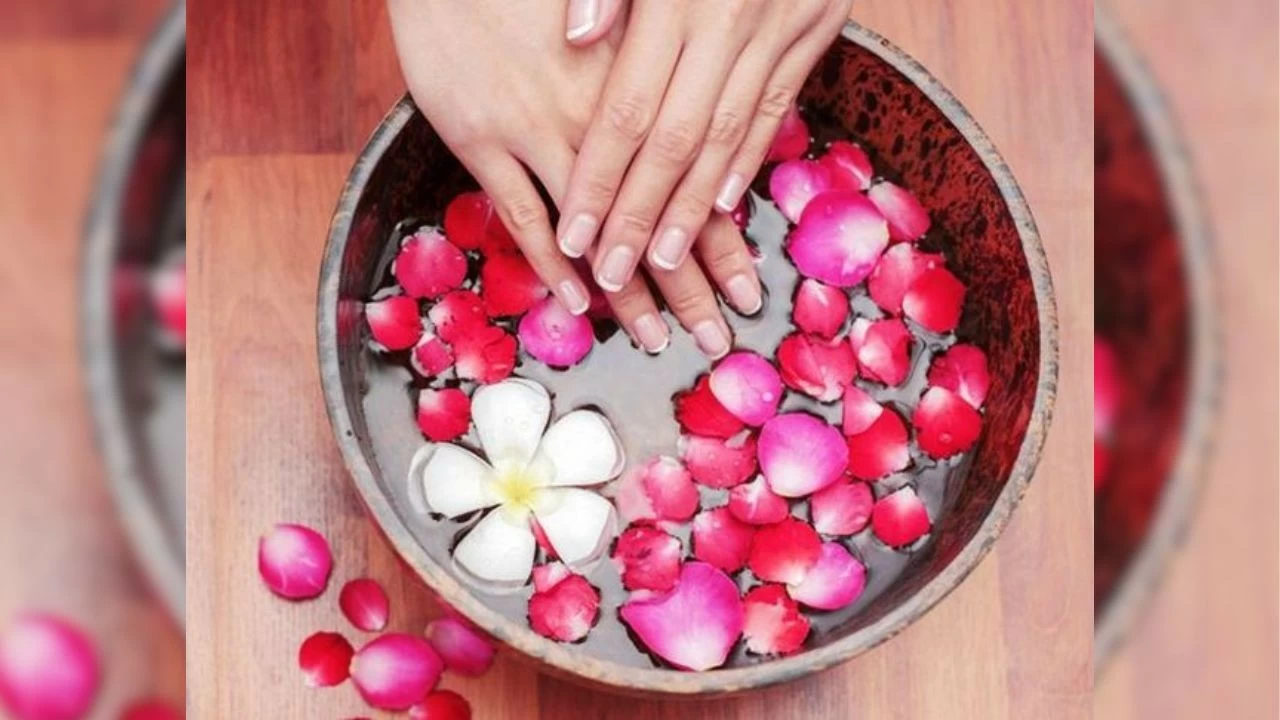


New Delhi: Many women enjoy growing nails and creating hand aesthetics through nail art. At the same time, kitchen work remains a daily responsibility while balancing work and home. Chopping vegetables, kneading dough, and washing dishes expose nails to water, pressure, and stains. Over time, this routine weakens nails and dries cuticles. With mindful habits and small changes, nails can stay healthy and presentable without giving up cooking or compromising everyday kitchen responsibilities at home.
Cooking damage often appears quietly on the hands. Broken edges, chipped polish, dryness, and yellow stains become visible signs. These issues do not require expensive salon fixes. Simple preparation before cooking and basic care after finishing kitchen work help maintain nail strength, appearance, and hygiene while keeping daily routines practical and realistic for women managing busy schedules. Here are the tips to prevent nail damage after cooking.

1. Broken nail edges
Chopping onions and vegetables applies repeated pressure on nail tips, leading to cracks and breakage over time.
2. Dry cuticles
Kneading dough and frequent hand washing remove natural oils, leaving cuticles rough and uncomfortable.
3. Chipped polish
Dishwashing and long water exposure weaken nail coatings, causing polish to peel or fade faster.
1. Short filed nails
Short, neatly filed nails handle kitchen work better and reduce accidental breakage.
2. Cuticle oil layer
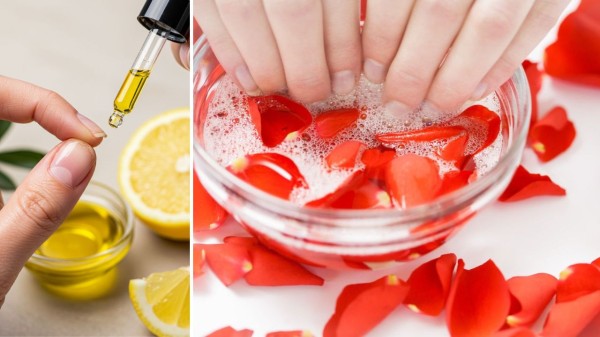
Applying cuticle oil before starting creates a protective barrier against dryness and friction. Olive oil is a great, accessible ingredient for nourishing and strengthening nails.
3. Strengthening coat
A clear strengthening coat seals nails and adds resistance during cooking tasks.
4. Protective gloves
Using gloves while washing raw meat, cleaning vegetables, or doing dishes limits water contact and chemical exposure, helping nails stay stronger.
1. Milk soak method
Soak nails in milk for five minutes to lift turmeric stains gently using lactic acid.
2. Besan and lemon paste
Apply paste, scrub lightly, rinse, and repeat for stubborn yellow marks.
3. Baking soda mix
Use baking soda with dish soap once a week only to avoid over-drying nails. You can add rose petals to moisturise.
4. Toothpaste cleaning
An old toothbrush with toothpaste offers quick brightening after cooking.
5. Cuticle nourishment
Massage cuticle oil after cooking and seal with hand cream to restore moisture.
6. Cotton glove rest
Wearing cotton gloves overnight helps lock in hydration and repair nail beds.
Cooking does not need to leave lasting marks on hands. With mindful preparation and simple after-care, nails can stay healthy, clean, and presentable every day.