


Sign In
By signing in or creating an account, you agree with Associated Broadcasting Company's Terms & Conditions and Privacy Policy.
By signing in or creating an account, you agree with Associated Broadcasting Company's Terms & Conditions and Privacy Policy.
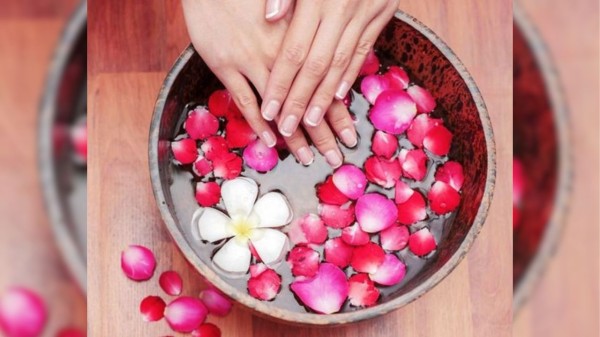
New Delhi: Many women enjoy growing nails and creating hand aesthetics through nail art. At the same time, kitchen work remains a daily responsibility while balancing work and home. Chopping vegetables, kneading dough, and washing dishes expose nails to water, pressure, and stains. Over time, this routine weakens nails and dries cuticles. With mindful habits and small changes, nails can stay healthy and presentable without giving up cooking or compromising everyday kitchen responsibilities at home. Cooking damage often appears quietly on the hands. Broken edges, chipped polish, dryness, and yellow stains become visible signs. These issues do not require expensive salon fixes. Simple preparation before cooking and basic care after finishing kitchen work help maintain nail strength, appearance, and hygiene while keeping daily routines practical and realistic for women managing busy schedules. Here are the tips to prevent nail damage after cooking. Common kitchen damage to nails 1....

New Delhi: Across ancient civilisations, eye care was never cosmetic, it was essential. Long before serums and screens, communities observed how strain, sun, smoke and fatigue affected vision and ageing. India, China, Egypt and Europe developed slow, gentle rituals focused on cooling, nourishing and protecting the fragile eye area. Oils, herbs, compresses and mindful practices formed daily habits, passed through generations. These traditions treated eye care as preventive wisdom, rooted in environment, climate and lifestyle, rather than instant correction or quick fixes. Modern skincare borrows heavily from this inherited knowledge, refining it with research and formulation. Yet the principle remains unchanged. Eyes respond best to patience, consistency and calm routines. Ancient methods remind us that caring for eyes means slowing down, protecting daily habits and choosing ingredients that respect sensitivity. Eye care succeeds quietly, through repetition, not urgency or rushed...

New Delhi: Chhari Dhand Bird Sanctuary in Gujarat’s Kutch has been added to the Ramsar wetland list, marking a major milestone for India’s desert ecosystems. Spread across nearly 80 sq km, the seasonal wetland received Ramsar Site No 2588 status in January 2026. Known locally as a salty shallow wetland, Chhari Dhand supports migratory birds, desert wildlife, and rare plant species, proving wetlands can survive and flourish in arid regions despite extreme climatic conditions and limited freshwater availability across the region annually. Located between the Banni grasslands and the Kutch salt flats, the wetland comes alive after heavy monsoon rainfall. Shifting water levels reshape the marshland every season, creating feeding grounds for birds using the western flyway. Each visit reveals a different landscape, with reflective waters and open skies defining its quiet. On the occasion of World Wetland Day, celebrated on February 2, let’s explore more about Chhari Dhand Bird...

New Delhi: Bollywood heartthrob Madhuri Dixit’s ethnic style continues to set benchmarks for elegance and timeless appeal. At 58, the actor effortlessly carries traditional silhouettes with grace, turning every appearance into a fashion moment. Her recent bottle green silk saree look has captured attention during the wedding season. With rich fabrics, intricate embroidery, and refined styling, Madhuri’s saree choices offer practical inspiration for wedding guests seeking classic yet glamorous ethnic outfits that feel celebratory, polished, and deeply rooted in Indian tradition for modern wardrobes. Known for her love of sarees, Madhuri blends heritage craftsmanship with contemporary styling. Her wardrobe features silks, velvets, sheer drapes, statement jewellery, and balanced makeup choices. Each look feels wearable yet elevated, making her ethnic appearances ideal references for wedding celebrations, festive evenings, and formal family functions across seasons that demand...

New Delhi: Paneer often dominates conversations around Indian cheese, yet the country holds a far richer dairy story shaped by terrain, climate, and community practices. Several traditional cheeses continue to thrive quietly across regions, prepared using age-old techniques and local milk sources. These cheeses vary widely in texture, flavour, and purpose, ranging between soft and spoonable to rock-hard and long-lasting. Each variety reflects regional identity, preservation needs, and everyday food habits rooted in lived culinary traditions. These lesser-known cheeses rarely appear on restaurant menus or supermarket shelves, yet they remain deeply embedded in local food cultures. Some serve as snacks, some as cooking ingredients, while others hold ritual or community value. Exploring them offers insight into how dairy traditions adapt to geography, climate, and lifestyle across different parts of India. Indian cheese varieties rooted in local culture 1. Chhurpi Chhurpi is a...

New Delhi: Valentine’s Day is often marked by small, meaningful gestures, and a thoughtfully chosen cake can say a lot without words. Romantic cake designs bring together colour, texture, and flavour, making celebrations feel warmer and more personal. Heart shapes, floral details, and classic flavours continue to lead festive trends each February. These cakes suit quiet dinners, cosy gatherings, and moments meant to be shared slowly with someone special. While chocolates and flowers remain popular, a beautifully designed cake often becomes the centrepiece of Valentine’s celebrations. The right design adds charm to the table and creates a moment worth remembering. These cake ideas focus on styles that feel romantic, familiar, and universally loved. Beautiful Valentine’s Day cakes worth considering 1. Strawberry heart floral cake This cake blends soft pink tones with fresh strawberry flavour. Floral piping and heart-shaped detailing give it a gentle, romantic finish. It works...

New Delhi: Alia Bhatt recently appeared in two contrasting looks that highlight styling intelligence over excess. One look leans into soft textures and muted tones, while the other embraces sharp tailoring in black. Instead of relying on embellishment or heavy accessories, both outfits focus on balance, fabric play, and thoughtful layering. The styling choices feel intentional, controlled, and editorial, proving that strong fashion moments emerge through restraint rather than overload in modern celebrity cover shoots today. But these two looks can serve as the winter styling inspiration. Each look communicates a different mood while staying rooted in simplicity. Nude tones meet plush textures in one frame, while structured black tailoring defines the other. Accessories remain minimal, beauty stays relaxed, and silhouettes do the talking. Together, these looks show how contrast can anchor memorable cover styling without unnecessary visual noise or forced drama. Alia’s look one...

New Delhi: Valentine’s Day dressing goes beyond couples and candlelit dinners. The day invites expression, confidence, and comfort, regardless of plans or relationship status. Dinner dates, friendly meetups, family gatherings, or solo moments all deserve thoughtful style choices. A well-picked outfit can lift mood instantly and turn February 14 into a personal celebration. Playing with colour, texture, and romantic details helps reflect the spirit of love while staying true to individual taste without chasing trends or sacrificing ease and confidence on occasion. Simple styling choices can capture Valentine’s mood without overthinking. Pops of red, floral touches, soft silhouettes, and playful accessories add romance instantly. These outfit ideas balance trend awareness with wearability, helping you dress confidently for dates, gatherings, or relaxed plans. The focus stays on feeling good, expressing personality, and enjoying the day exactly as you like with ease and joy....
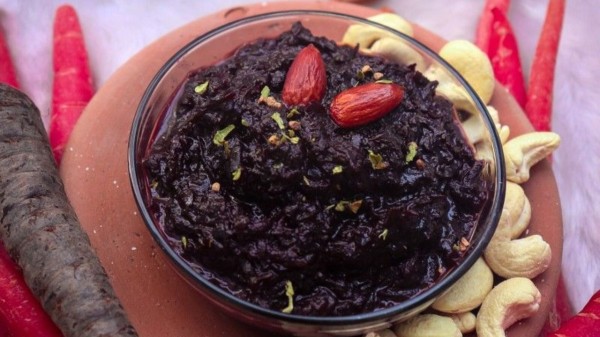
New Delhi: Kali gajar ka halwa is a seasonal treasure enjoyed during winter across northern India. Prepared using black carrots, this dessert stands apart with its dark colour and intense flavour. The slow simmering process allows milk and carrots to blend into a rich, textured halwa. Often associated with Uttar Pradesh kitchens, it reflects patience and warmth. When made well, each spoonful feels indulgent, comforting, and deeply satisfying during cold months. Unlike regular gajar ka halwa, this version depends entirely on winter produce. Black carrots release colour and sweetness gradually, rewarding time and attention. Ghee, khoya, and dry fruits enhance the final dish without overpowering it. This recipe keeps the process traditional, focusing on texture, aroma, and balance rather than shortcuts or heavy sweetness. Here is the recipe. Kali gajar ka halwa recipe Ingredients for kali gajar ka halwa Black carrots: 1 kg (peeled and grated) Milk: 1 litre (full-fat recommended) Ghee:...
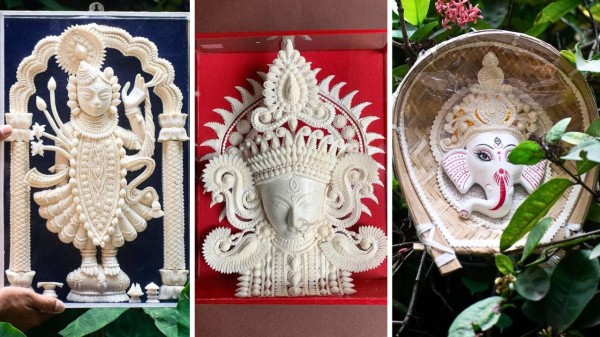
New Delhi: In the marshlands of Bengal, a soft white reed transforms into objects of reverence and celebration. Sholapith art, crafted by Malakar families, has long shaped Bengali weddings, temple rituals, and festival décor. Light, biodegradable, and intricate, this craft carries symbolic meaning tied to purity and prosperity. Passed down through generations, sholapith remains deeply woven into Bengal’s cultural fabric, reflecting faith, folklore, and skilled handwork rooted in wetland ecology. Practised across Bardhaman, Murshidabad, Birbhum, and Nadia, sholapith art continues to define ceremonial life in Bengal. Despite changing tastes and materials, artisans adapt traditional techniques to contemporary forms. Each piece reflects devotion, discipline, and cultural continuity shaped by centuries of belief and lived tradition. Sholapith art history, significance, usage and more What makes Sholapith art unique Sholapith is made from the inner pith of the Indian cork plant that...
No posts found.

