New Delhi: Paneer often dominates conversations around Indian cheese, yet the country holds a far richer dairy story shaped by terrain, climate, and community practices. Several traditional cheeses continue to thrive quietly across regions, prepared using age-old techniques and local milk sources. These cheeses vary widely in texture, flavour, and purpose, ranging between soft and spoonable to rock-hard and long-lasting. Each variety reflects regional identity, preservation needs, and everyday food habits rooted in lived culinary traditions.
These lesser-known cheeses rarely appear on restaurant menus or supermarket shelves, yet they remain deeply embedded in local food cultures. Some serve as snacks, some as cooking ingredients, while others hold ritual or community value. Exploring them offers insight into how dairy traditions adapt to geography, climate, and lifestyle across different parts of India.
Indian cheese varieties rooted in local culture
1. Chhurpi
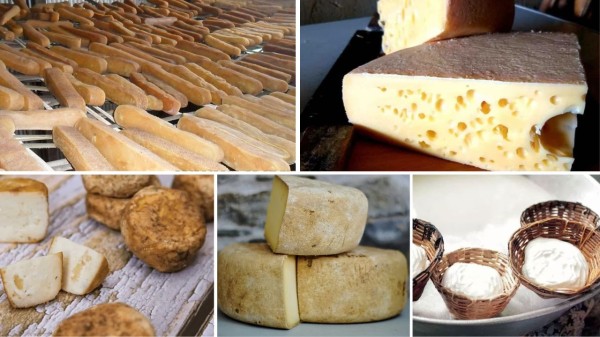
Chhurpi is a high-protein, nutrient-dense cheese associated with Himalayan communities across Sikkim, Darjeeling, Bhutan, Tibet, and Nepal. Often described as the hardest cheese globally, it undergoes smoking and drying, giving it an exceptionally long shelf life that can extend beyond two decades. Soft chhurpi tastes mild, creamy, and lightly tangy, while hard chhurpi develops smoky, nutty, and deeply fermented notes, often consumed slowly as a long-lasting snack.
2. Kalimpong cheese
Kalimpong cheese is a firm to semi-hard artisanal cheese linked with the hill town of Kalimpong in West Bengal. Introduced during the colonial era by Swiss missionaries, it carries a mildly acidic, tangy profile with subtle nuttiness. The pale yellow cheese features an edible rind and occasional small holes, drawing comparisons with Swiss-style cheeses while maintaining a distinct local character.
3. Bandel cheese
Bandel cheese carries over four centuries of culinary history shaped by Portuguese influence in Bengal. This artisanal cow’s milk cheese appears as small, disc-shaped rounds and is known for its dry, crumbly texture. Often smoked using cow dung cakes, it develops an intense aroma and sharp salty punch. Available mainly in Kolkata, it comes in plain white and smoked brown versions.
4. Qudam cheese
Qudam is a rare artisanal cheese prepared by the Gujjar-Bakarwal community in Jammu and Kashmir. Made using cow or goat milk, it emerges through over-soured curd, giving it a crumbly yet chewy, rubber-like texture. The flavour remains sharp, lightly sour, and salty, with subtle smokiness and clean, pasture-driven notes resembling feta-style cheese.
5. Topli na paneer
Topli na Paneer, also known as Topli nu Paneer, is a soft, delicate cheese closely linked with the Parsi community, particularly in Surat, Gujarat. Unlike firm paneer, it carries a custard-like wobble and mild tang. Prepared using rennet and whole buffalo milk, it sets inside small bamboo or wicker baskets called “topli,” leaving a signature basket-weave imprint on the surface.
6. Khoya paneer
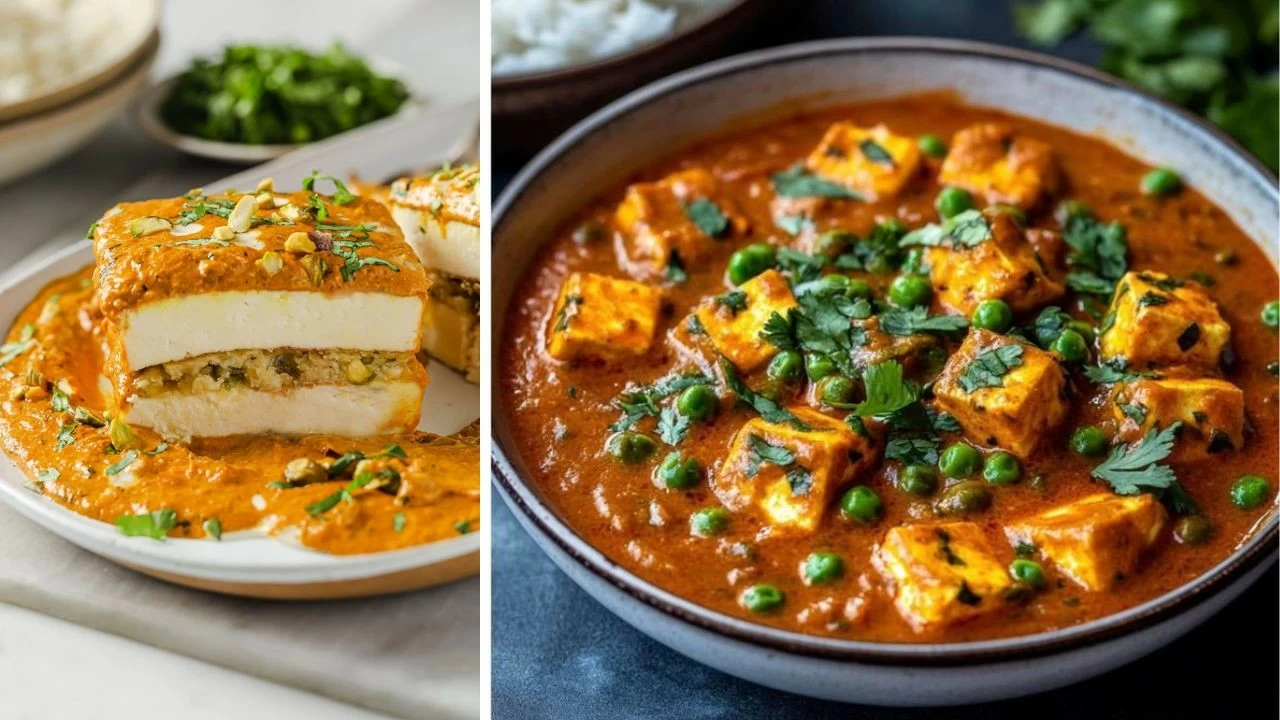
Khoya Paneer is not a standalone cheese but a rich North Indian preparation combining paneer with khoya, thickened milk solids. The dish carries a creamy, mildly sweet profile and is commonly prepared during festivals or celebratory meals. Its indulgent texture highlights how dairy ingredients often merge within Indian cooking rather than standing alone.
These lesser-known cheeses highlight the depth of India’s dairy traditions beyond familiar paneer. Each variety tells a story shaped by region, community, and necessity, offering flavours that deserve wider recognition on modern tables.