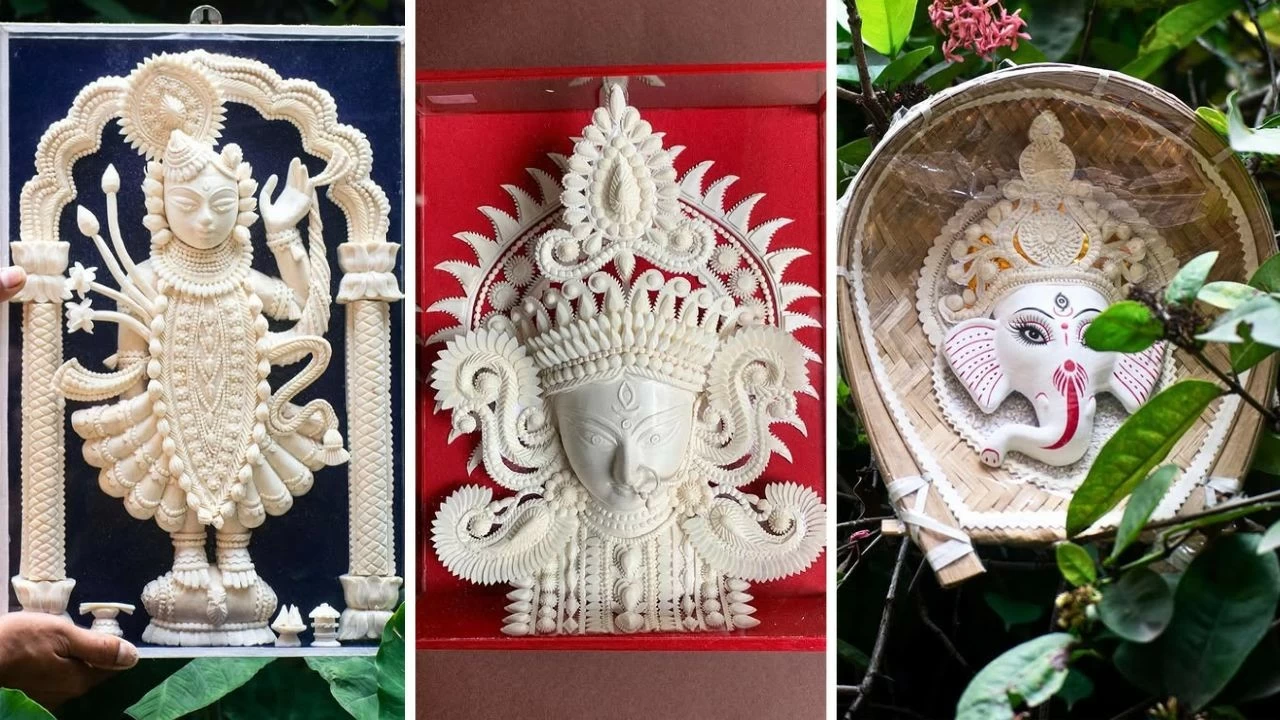
New Delhi: In the marshlands of Bengal, a soft white reed transforms into objects of reverence and celebration. Sholapith art, crafted by Malakar families, has long shaped Bengali weddings, temple rituals, and festival décor. Light, biodegradable, and intricate, this craft carries symbolic meaning tied to purity and prosperity. Passed down through generations, sholapith remains deeply woven into Bengal’s cultural fabric, reflecting faith, folklore, and skilled handwork rooted in wetland ecology.
Practised across Bardhaman, Murshidabad, Birbhum, and Nadia, sholapith art continues to define ceremonial life in Bengal. Despite changing tastes and materials, artisans adapt traditional techniques to contemporary forms. Each piece reflects devotion, discipline, and cultural continuity shaped by centuries of belief and lived tradition.
Sholapith art history, significance, usage and more
What makes Sholapith art unique
Sholapith is made from the inner pith of the Indian cork plant that grows in shallow wetlands. Once dried, the material becomes feather-light, smooth, and ivory white. Its flexibility allows artisans to achieve remarkable detail without artificial colouring, giving the craft a natural elegance unmatched by synthetic décor.
Malakar artisans and their hereditary skill
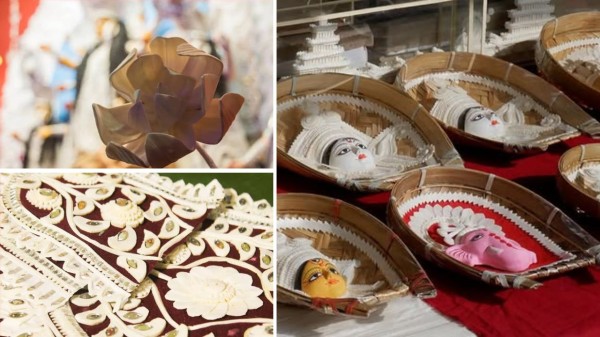
The Malakar community has preserved sholapith craftsmanship for centuries. Skills pass through families, with children learning cutting, shaping, and ornamentation early. Their work includes bridal headgear like topar and mukut, temple decorations, garlands, and Durga Puja adornments, each crafted with ritual precision.
Ritual importance in Bengal and Assam
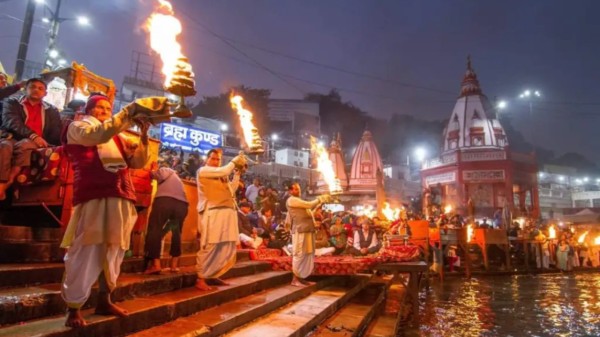
Sholapith plays a central role in Bengali weddings and Durga Puja, symbolising purity and divine blessing. In Assam, a similar tradition thrives through the Kuhila craft, used in festivals such as Manasa Puja, Charak Puja, and Bihu. Kuhila ornaments also feature in folk dances and ceremonial masks.
Legends behind Sholapith art origin
Sholapith art is deeply intertwined with myth and belief, giving the craft a sacred status beyond its visual beauty. One widely narrated legend traces its origin to the divine wedding of Lord Shiva and Goddess Parvati. According to folklore, Lord Shiva asked Vishwakarma, the celestial architect, to create a pure white crown and ornaments for the wedding. When Vishwakarma failed to achieve the desired form, Shiva created a man from his own essence. This man, later known as Malakar, crafted the crown and ceremonial ornaments using sholapith, earning divine approval and establishing the Malakar community as custodians of the craft.
Another enduring legend speaks of Solabati, a celestial dancer in Indra’s court, who fell in love with Banasura, a demon king. Enraged by her affection, Indra cursed Solabati by transforming her into a shola reed. Repentant later, Indra softened the curse, declaring that Solabati would regain purity only when shaped by the hands of Malakars. Even today, many artisans symbolically immerse shola in water before crafting, believing it represents Solabati’s reunion with Banasura and her spiritual cleansing.
How Sholapith art is made
The plant grows during monsoon months and matures by early autumn. After harvesting, stems are dried, sliced, and peeled to extract the soft pith. Artisans cut fine sheets called kap or paturi using circular knife movements, smooth surfaces with chaeni tools, and assemble pieces using natural adhesives and wire supports.
Products beyond ritual décor
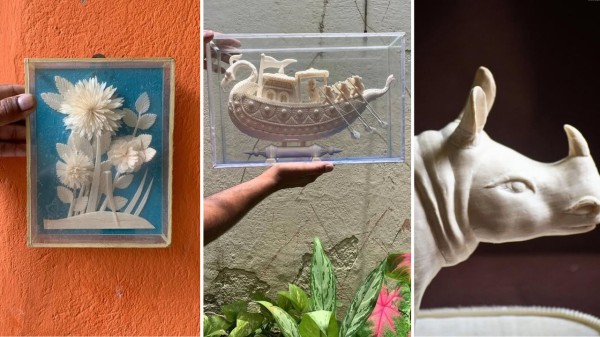
Apart from ceremonial ornaments, artisans create dolls, boats, animal figures, and masks. Items such as saodagari naao and temple artefacts reflect both utility and visual grace. Colours remain minimal, usually white with subtle reddish-brown accents, enhancing the material’s natural charm.
Survival challenges today
Plastic, thermocol, and mass-produced décor threaten sholapith’s relevance. Many artisan families face declining income and shifting livelihoods. Despite this, renewed interest in sustainable crafts and handmade traditions offers hope for preserving this fragile yet powerful cultural expression.
Sholapith art stands as Bengal’s quiet white heritage, shaped by faith and skilled hands. Delicate yet enduring, it reflects a cultural memory that survives through devotion, artistry, and resilience, waiting to be valued beyond ceremony and preserved for generations ahead.