New Delhi: Basant Panchami marks the arrival of spring and honours Goddess Saraswati, revered as the embodiment of knowledge, learning, arts, and wisdom. Across India, the festival holds special importance for students, scholars, artists, and teachers who seek blessings for intellectual growth. Visiting Saraswati temples on this day is considered auspicious, as these sacred spaces reflect centuries of devotion, education, and cultural continuity rooted in India’s spiritual and scholarly traditions. India is home to a limited number of temples dedicated exclusively to Goddess Saraswati.
Spread across Karnataka, Rajasthan, Kerala, Tamil Nadu, and Telangana, these Saraswati temples are culturally significant and closely linked with saints, poets, royal patrons, and learning rituals. Basant Panchami draws large gatherings of devotees who associate the festival with new beginnings in education, creativity, and disciplined study. Here is the list of Saraswati temples in India.
Popular Saraswati temples to visit during Basant Panchami
1. Shringeri Sharadamba Temple, Karnataka
Why it is significant
- Ancient centre of Advaita learning
- Founded by Adi Shankaracharya
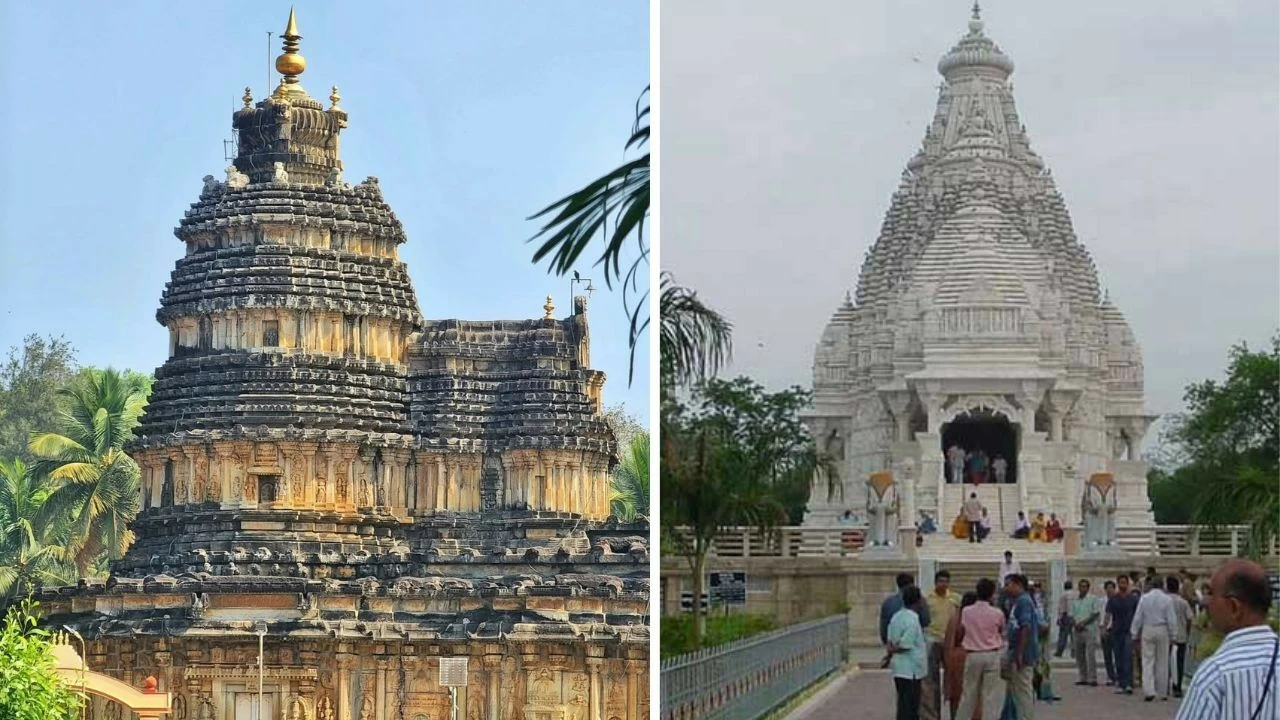
Founded in the 8th century by Adi Shankaracharya, the Sharadamba Temple at Sringeri stands as one of the most respected centres of learning in India. The temple originally housed a standing sandalwood idol of the goddess. During the 14th century, a seated golden idol was installed under Vijayanagara patronage, symbolising continuity of scholarship and spiritual authority.
2. Saraswati Temple, Rajasthan
What makes it unique
• Strong mythological association
• Artistic and architectural appeal
Located in the sacred town of Pushkar, this temple honours Saraswati as the source of creativity, refinement, and intellect. Mentioned in ancient texts, the goddess is associated with flowing wisdom and artistic expression. Writers, musicians, and artists have traditionally visited Pushkar seeking inspiration, drawn by both devotion and the temple’s refined architectural style.
3. Gnana Saraswati Temple, Telangana
Key rituals here
• Akshara Abhyasam ceremony
• Riverbank spiritual setting
Situated on the banks of the Godavari at Basara, the Gnana Saraswati Temple is one of the most visited learning shrines in India. Children are brought here to begin formal education through Akshara Abhyasam. The temple’s history dates back to the 6th century, with later restorations reflecting its enduring spiritual relevance.
4. Panachikkadu Dakshina Mookambika Saraswathi Temple, Kerala
Distinct features
• Ancient literary references
• Multiple deities worshipped
Known as the Mookambika of the South, this temple in Kottayam holds over a thousand years of history. Devotees worship Vishnu before offering prayers to Saraswati. The temple is deeply rooted in Kerala’s spiritual literature, with detailed mentions in Aithihyamala, highlighting its long-standing cultural importance.
5. Dakshina Mookambika Temple, Kerala
Why devotees visit
• Daily Vidyarambham rituals
• Serene natural surroundings
This Saraswati temple is set amid a lotus-filled pond in North Paravur and is linked to royal devotion. Legend states the goddess appeared in a dream to a Paravur ruler, instructing him to establish the shrine. Vidyarambham is conducted throughout the year, along with music, dance, and cultural programmes.
6. Koothanur Saraswathi Temple, Tamil Nadu
Historical importance
• Linked with Tamil poets
• Only Saraswati temple in Tamil Nadu
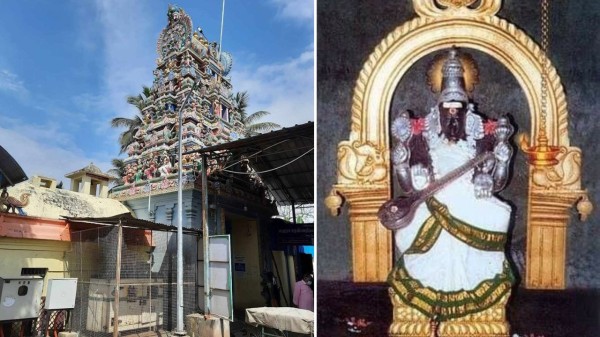
Koothanur is Tamil Nadu’s only temple dedicated solely to Goddess Saraswati. Celebrated poets Ottakoothar and Kambar praised the deity here. Tradition holds that the temple was established in the 12th century to support poetic scholarship, with Vijayadasami remaining its most important festival.
7. Vidya Saraswati Temple, Telangana
Modern relevance
• Managed by Kanchi Mutt
• Strong focus on Vedic education
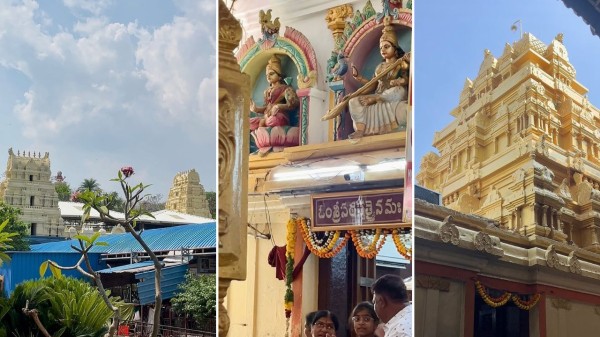
Established in the late 20th century, the Wargal Saraswati Temple is a contemporary learning centre. Founded through the efforts of a devoted scholar, the temple later became part of the Kanchi Mutt tradition. A Vedic school operates within the complex, reinforcing its educational mission.
Visiting these Saraswati temples during Basant Panchami reflects India’s enduring respect for knowledge, discipline, and creative pursuit, making the festival both spiritually and culturally meaningful.