Sign In
By signing in or creating an account, you agree with Associated Broadcasting Company's Terms & Conditions and Privacy Policy.
By signing in or creating an account, you agree with Associated Broadcasting Company's Terms & Conditions and Privacy Policy.
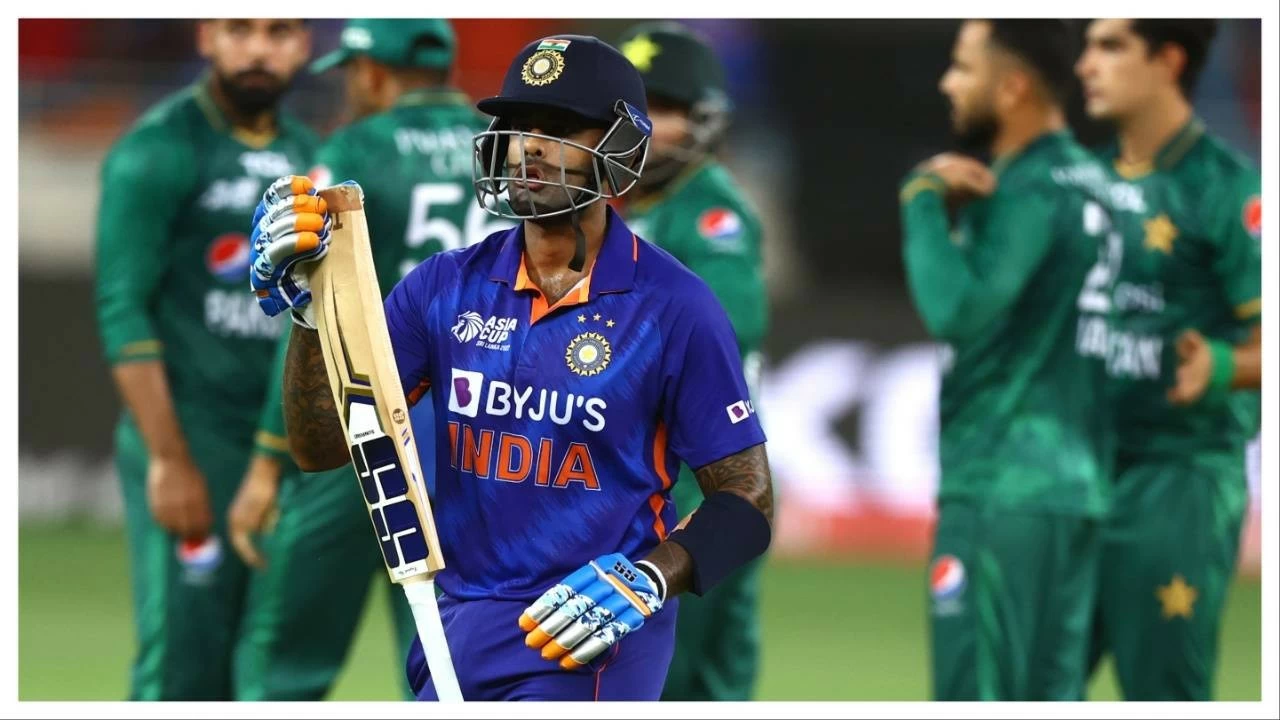


New Delhi: The Board of Control for Cricket in India (BCCI) has finally addressed the growing criticism over India facing Pakistan in the upcoming Asia Cup. The high-voltage clash is set to take place on September 14 in Dubai but tensions have accelerated following a tragic terror attack that took place in Pahalgam, Jammu and Kashmir, on April 22, which claimed the lives of 26 tourists.
The incident sparked widespread outrage among fans and former cricketers, many of whom even called for India to boycott the match altogether. However, BCCI Secretary Devajit Saikai has made it clear that the board is bound to follow the central government’s policy on such matters. According to Saikia, the recently revised guidelines allow India to compete against nations considered hostile but only in multinational events and not in bilateral series.
Saikia explained that the rule applies not only to cricket but to all sports in which India participates at the international level. He emphasised that India’s involvement in these tournaments is necessary to avoid potential penalties or sanctions that could harm the country’s sporting reputation globally.
In August, the government updated its stance on sporting engagements with nations but not on friendly terms with India. As per the new framework, Indian athletes and teams can take part in multinational tournaments like the Asia Cup, ICC events, FIFA competitions or the AFC Cup, even if they involve Pakistan or any other hostile nation.
Saikia highlighted that while India remains firm on not playing bilateral series with Pakistan, skipping multinational tournaments could bring severe consequences. He pointed out that pulling out of such events could lead to disciplinary action against Indian sports federations, which might also impact athletes personally.
He stressed that the BCCI fully supports the government’s policy as it takes into account the interests of players across all sports disciplines.
To underline the gravity of the situation, Saikia shared an example involving Olympic gold medalist Neeraj Chopra. If India decided not to compete in an athletics event featuring a Pakistani athlete, it could result in sanctions that might prevent Chopra and others from participating in future global competitions.
“This isn’t just about cricket,” Saikia said, adding that such a boycott could harm the careers of several athletes. He assured that the BCCI is committed to following the government’s guidelines and believes this approach balances national interests with the need to keep India’s sports community active on the world stage.