Sign In
By signing in or creating an account, you agree with Associated Broadcasting Company's Terms & Conditions and Privacy Policy.
By signing in or creating an account, you agree with Associated Broadcasting Company's Terms & Conditions and Privacy Policy.
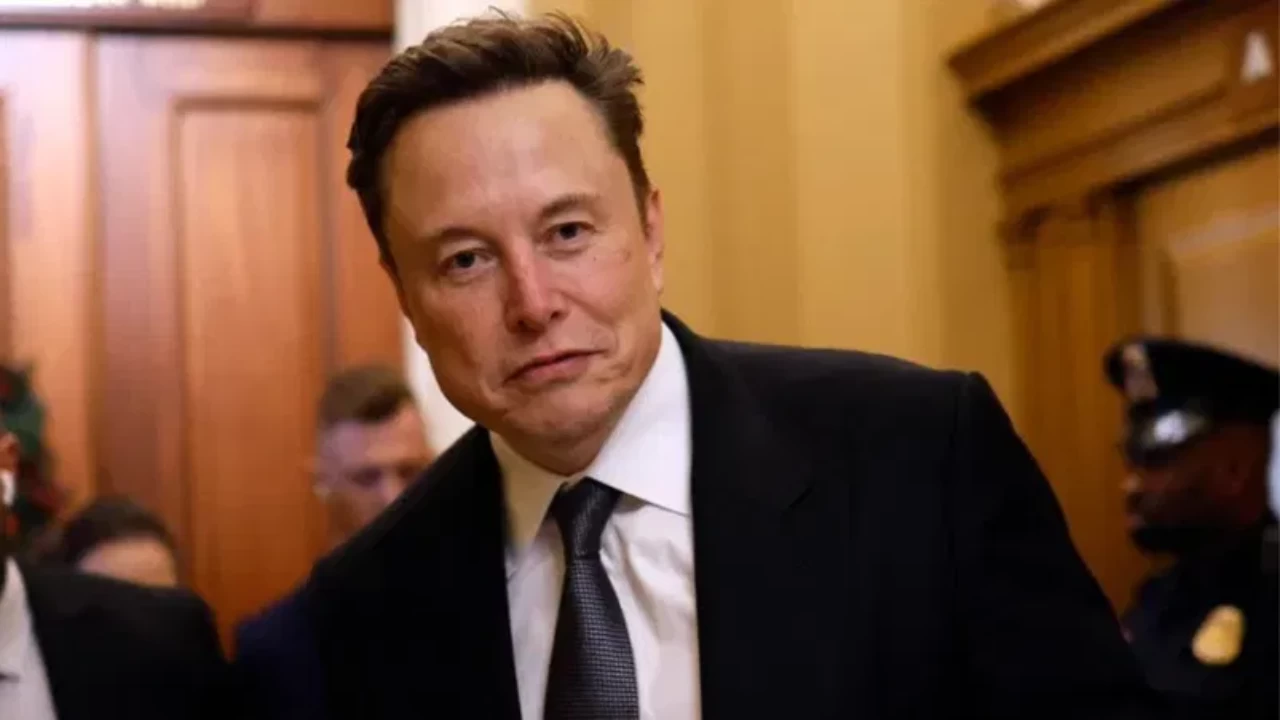


New Delhi: Elon Musk has stepped into the growing debate over Apple’s artificial intelligence strategy after the company confirmed a deep new partnership with Google. The deal will see Google’s Gemini models and cloud systems power key parts of next-generation Siri and Apple Intelligence, a move that is already raising alarm across the tech industry.
Reacting on X, Musk said the agreement gives Google too much control over the future of mobile AI. He warned that handing Apple’s core assistant to Google creates what he called an “unreasonable concentration of power,” especially when Google already dominates Android, Chrome and large parts of the internet ecosystem.
Musk made his comments shortly after Google announced the multi-year agreement with Apple. He argued that the deal strengthens Google’s position at a time when regulators are already scrutinising the company for its market power in search, browsers and advertising.
With Gemini now set to help run Siri and Apple’s in-house AI features, critics fear that Google could quietly become the backbone of AI services across both major mobile platforms. That would give it influence over how billions of users search, interact and get information.
Apple has been racing to catch up in generative AI after falling behind rivals like OpenAI, Microsoft and Google. By relying on Gemini, the company hopes to deliver more powerful and competitive features without building everything from scratch.
But the move comes as Google is battling antitrust cases in the US and Europe. Lawmakers and regulators are closely watching whether this deal further tightens Google’s grip on the digital economy.
Musk’s criticism is also tied to his own business interests. His AI company, xAI, is suing Apple and OpenAI over their earlier partnership that brought ChatGPT into Siri and Apple Intelligence as an option.
Musk has accused Apple of favouring OpenAI through App Store policies that make it harder for rivals like Grok to gain visibility. He claims this creates an unfair advantage and shuts out competition, though Apple and OpenAI have rejected those claims.
At the same time, Musk’s own AI product is under fire. Grok has faced international backlash after being used to create non-consensual and sexualised images, including content involving minors.
Several countries, including Indonesia and Malaysia, have blocked the chatbot, while regulators are pushing Apple to remove the app. That controversy has added pressure on Musk as he challenges Apple’s AI alliances in court.
Whether regulators will step in to limit the Apple-Google deal remains unclear. But Musk has made it clear he sees the partnership as a major shift in power, one that could reshape who controls the future of AI on smartphones.