Sign In
By signing in or creating an account, you agree with Associated Broadcasting Company's Terms & Conditions and Privacy Policy.
By signing in or creating an account, you agree with Associated Broadcasting Company's Terms & Conditions and Privacy Policy.
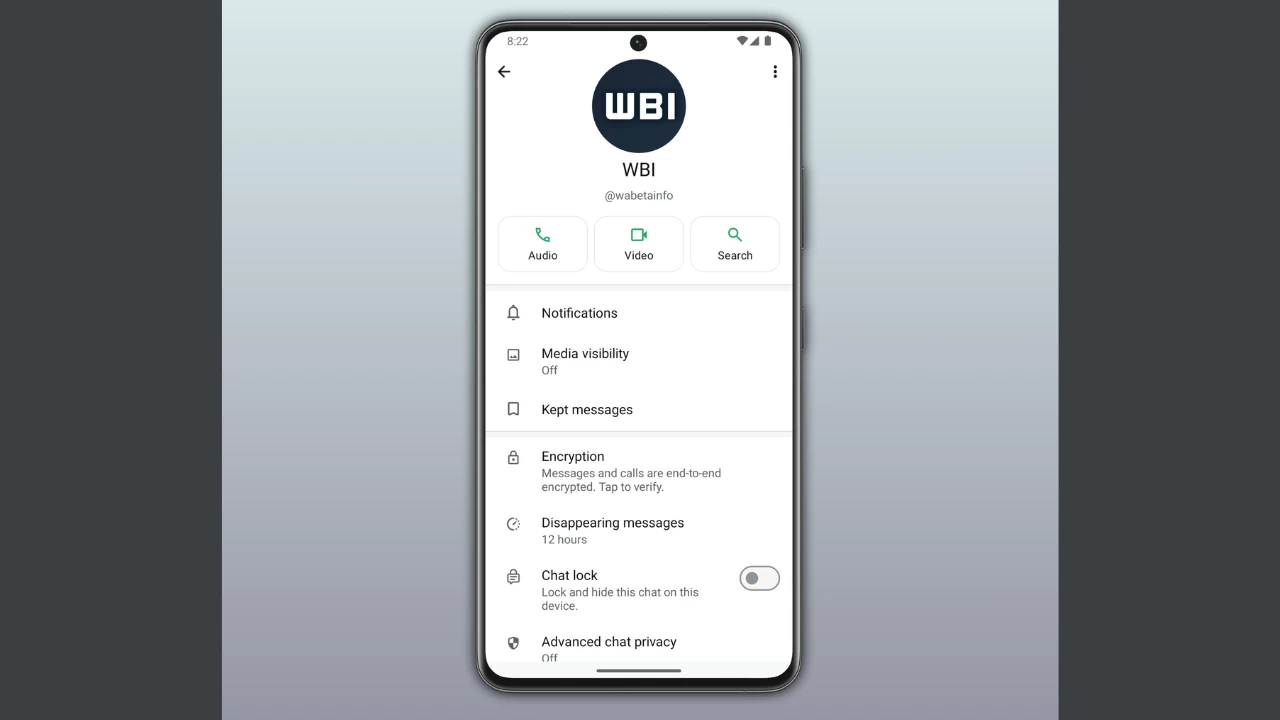


New Delhi: WhatsApp is stepping towards a significant change in the way users interact over the platform. The messaging application is working on a user-based communication platform where individuals are able to locate, chat and call others without having to provide their mobile numbers. The option, which has been identified in recent WhatsApp beta releases on Android, is expected to enhance privacy, particularly when it comes to dealing with strangers or businesses.
Hitherto, the most important identity on WhatsApp is the phone number. That will be a different case with usernames. It will also allow users to locate an account with the help of a selected username and initiate a conversation without disclosing their personal number. WhatsApp is undertaking profound transformation in its internal systems to ensure this, and that is why the process has not been quick.
WhatsApp is currently attempting to integrate usernames into the conversations. In the recent WhatsApp beta on Android, it is indicated that soon, users will be allowed to chat with the use of a username rather than a phone number. A new chat can also be established when a username-based account is located through a search in the Chats tab without the other party looking at the number of each other unless both users have saved one another as a contact.
This modification is aimed at making the initial encounters safer. It minimises the chances of receiving unwanted calls or messages that are not part of WhatsApp, as phone numbers are likely to present personal data on other websites.
In user-based chat, the username will be used as the primary chat title in case the contact is not saved. The chat info will also be visible in the chat information screen, below the profile photo. This renders one able to determine the person you are chatting with, though the number is not saved. In case the phone number is stored in the address book, then it will still show on the contact details section.
Although the new system of identity will be used, chats will operate in the same way. End-to-end encryption will remain in place in messages, calls, voice notes, and media. The participants will also be able to access the content, and the security model at WhatsApp will not change.
WhatsApp will no longer use phone numbers as the visible chat identifier, but that will take place behind the scenes. Rather, the chats will be connected to an internal ID that is not visible and the selected username. This ensures that sensitive information is not visible as well as reliable message delivery and storage.
As stated in the information that was shared with the business partners, usernames will be offered as an optional add-on to individuals and businesses. As the businesses need to revise systems by June 2026, the process of username reservation can start as early as the first half of this year.
The feature of chats with usernames is still in development. WhatsApp is also polishing the interface and trying to see how it can be integrated into the current chat environments. It is aimed at achieving easy and straightforward initiation of a username-based conversation.
This update would alter the way individuals interact on WhatsApp once it is released. It will provide increased privacy, identity and secure interactions, particularly between the user and other users who are not in the address book.