Sign In
By signing in or creating an account, you agree with Associated Broadcasting Company's Terms & Conditions and Privacy Policy.
By signing in or creating an account, you agree with Associated Broadcasting Company's Terms & Conditions and Privacy Policy.
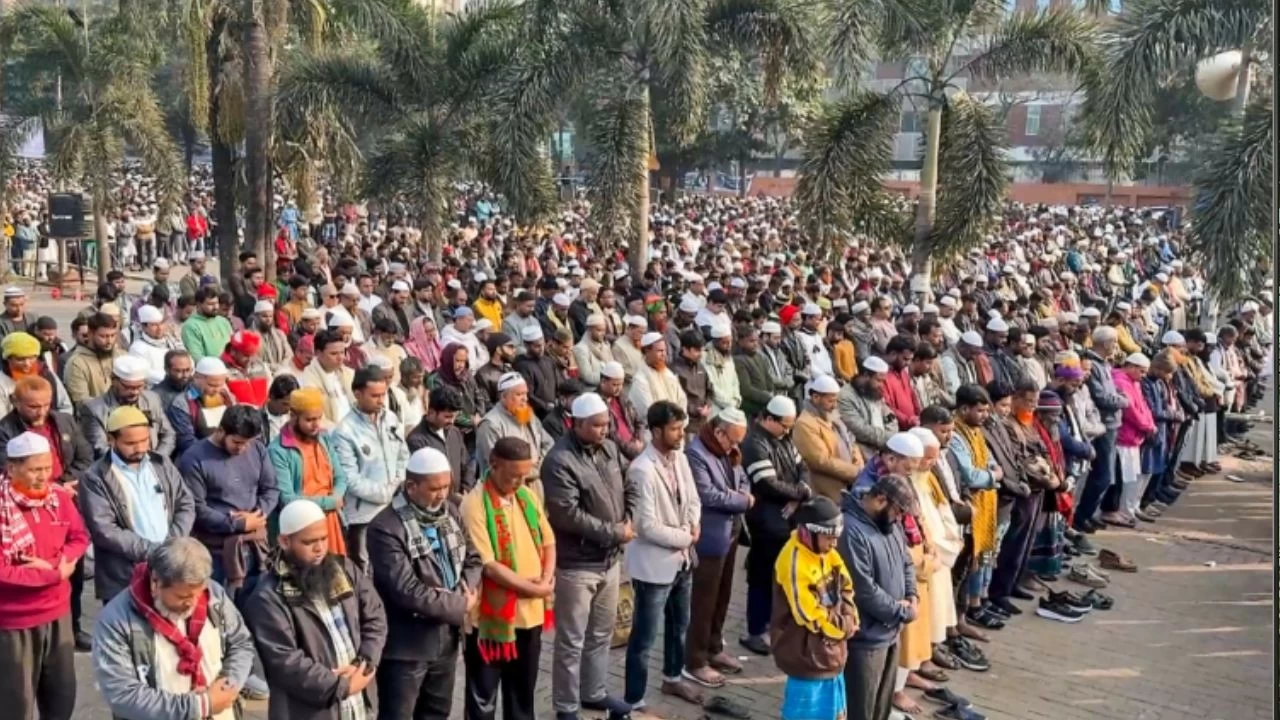


New Delhi: The US has asserted that it wants to maintain ties with Jamaat-e-Islami, an Islamist party that has been criticised for its anti-India stance and its opposition to Bangladesh’s 1971 Liberation War. Reports say US officials recently held discussions with the party at its regional office in Sylhet.
The development comes amid a series of engagements between the US State Department and Islamist groups ahead of Bangladesh’s February elections. A US diplomat, speaking in an interview, said Washington has rejected claims that it supports any “particular party” in Dhaka. The diplomat referred to interactions dating back to December 2026, when officials from the US embassy met local journalists and discussed various political parties. The embassy had stated at the time that the US is not biased towards any political party and is willing to work with whichever government comes to power.
Over the past two years, Jamaat-e-Islami has gradually expanded its engagement with the US. In 2023, a senior Jamaat leader in Dhaka held talks with a US diplomat on the eve of violent protests against the Sheikh Hasina administration.
In 2025, these interactions intensified. In June, two US diplomats visited Jamaat’s headquarters, where discussions reportedly focused on women’s and minority rights. In July, US Chargé d’Affaires Anne Jacobson met Jamaat chief Shafiqur Rahman at the party’s headquarters.
Despite Rahman’s controversial past, including remarks perceived as praising extremist figures such as Hamas leader Yahya Sinwar, the US granted him a visa in November 2025, signalling what observers see as Washington’s growing interest in engaging with the Islamist outfit.
Analysts warn that these developments could pose serious concerns for India. The Awami League, widely regarded as the most pro-India political party in Bangladesh, has also faced restrictions, indicating a potential shift in Indo-Bangladesh relations. Additionally, a rise in attacks on minority communities has raised alarm over the safety of vulnerable groups in the country.