New Delhi: India will observe its 77th Republic Day on January 26, a date that marks the moment the Constitution came into force in 1950. The day represents India’s shift into a sovereign republic led by democratic institutions and constitutional values. Republic Day is not only about parades and celebrations but also about remembering the legal and moral foundation of the nation, built on equality, justice, secularism, and collective responsibility that continue shaping civic life today across generations and regions.
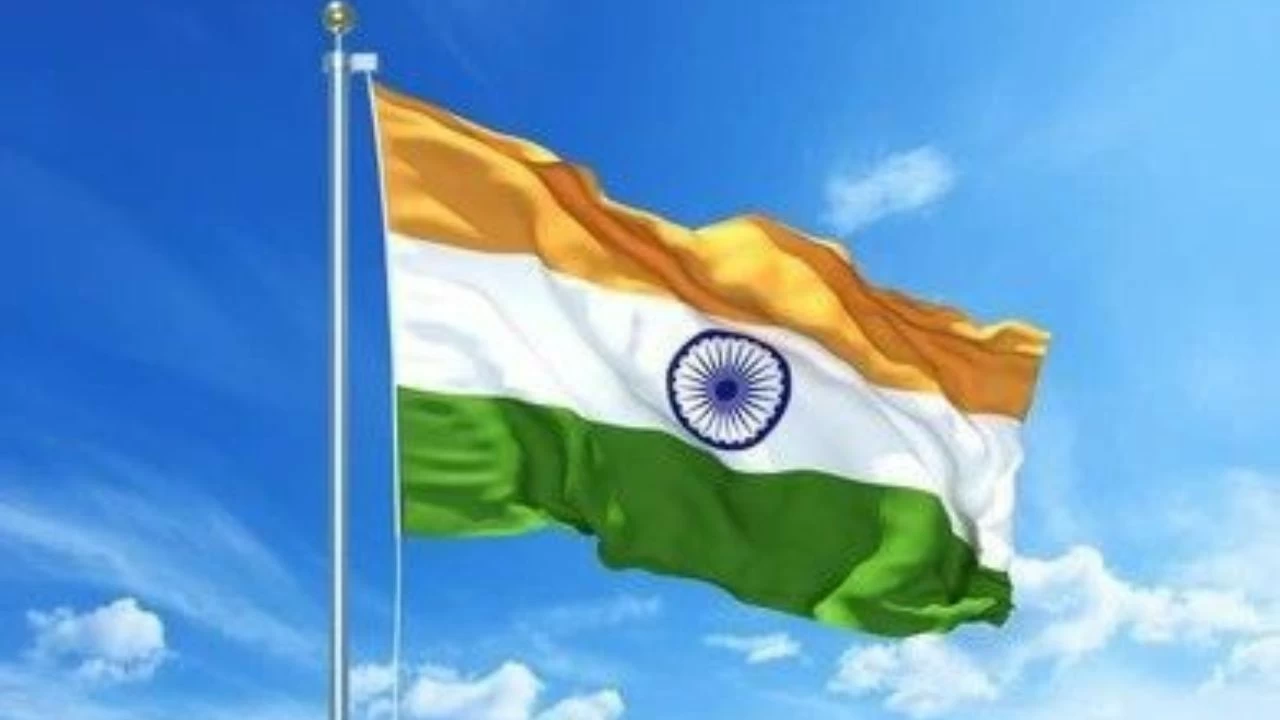
Every year, one detail draws curiosity: the national flag is unfurled on Republic Day, not hoisted. The difference is symbolic and rooted in history. While both ceremonies honour the Tiranga or the Tricolour, they reflect two distinct milestones, like freedom from colonial rule and the formal adoption of constitutional governance. This distinction explains why the rituals differ despite shared patriotic sentiment nationwide each year.
Meaning behind hoisting and unfurling Indian Tricolour
What flag hoisting represents
Flag hoisting involves raising the national flag from the base of the pole to the top. This act symbolises a new beginning and the moment of freedom. On August 15, the Prime Minister hoists the Tiranga at the Red Fort, recalling India’s independence in 1947 and the end of colonial rule.
What flag unfurling signifies
Unfurling means opening a flag that is already tied at the top of the pole. On January 26, the President of India unfurls the flag at Kartavya Path. The ritual reflects that India was already free by 1950 and was now stepping into a new phase guided by its Constitution.
Why does Republic Day follows different ritual
Republic Day celebrates constitutional authority rather than political freedom. The unfurling of the flag acknowledges the maturity of the republic, where power flows through democratic institutions and elected leadership under constitutional principles.
Independence Day and Republic Day mark different journeys
Independence Day honours the struggle and sacrifice that secured freedom. Republic Day honours the framework that governs that freedom. Together, the two ceremonies tell the full story of India’s nationhood.
The way the Tiranga is raised on national days carries deep meaning. Hoisting and unfurling are not interchangeable traditions but deliberate reminders of India’s journey from freedom to constitutional democracy.