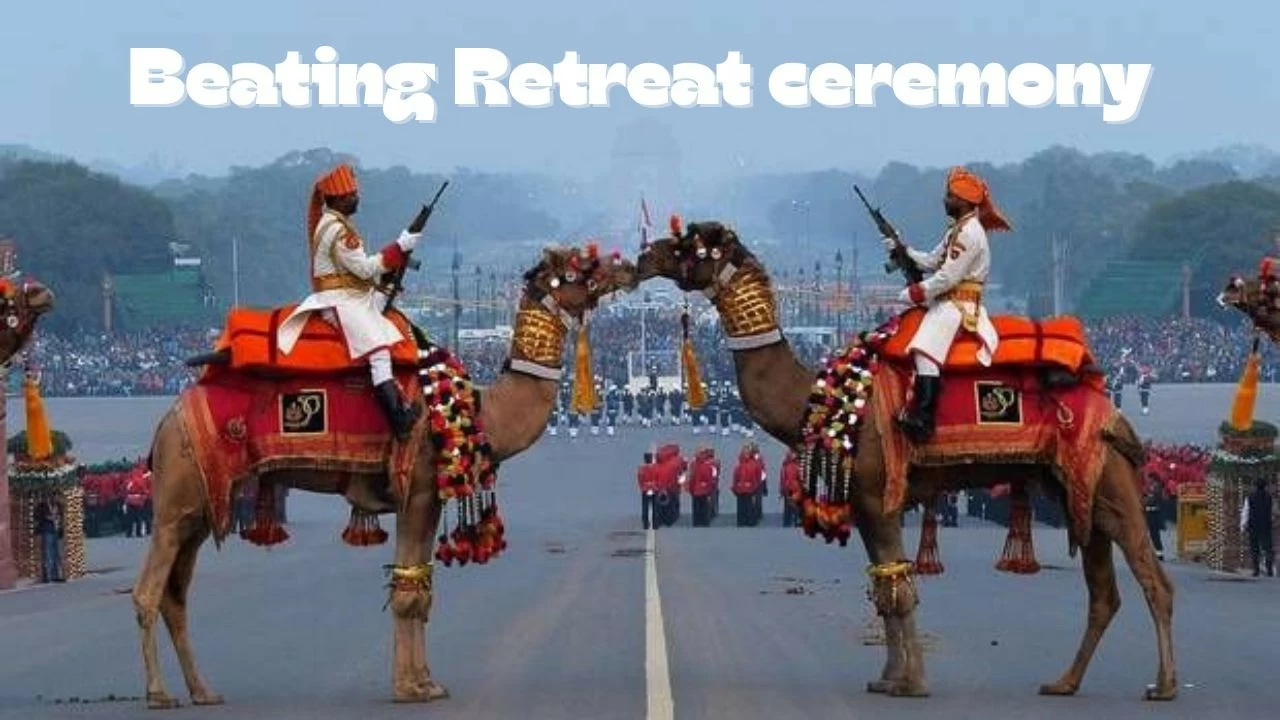
New Delhi: The Beating Retreat ceremony marks the formal conclusion of India’s Republic Day celebrations and takes place every year on January 29 at Vijay Chowk in New Delhi. Set against the illuminated Raisina Hill, the event brings together military music, precision, and patriotism. In 2026, the ceremony commemorates India’s 77th Republic Day, offering citizens a final, reflective moment after days of parades, pageantry, and national celebration that emphasises unity, discipline, tradition, remembrance, continuity, pride, and collective respect across the nation annually.
Rooted in military custom, Beating Retreat signals the moment when troops withdraw after ceremonial duties. The Indian ceremony blends historic practice with contemporary symbolism, honouring the armed forces. It allows the public to witness a dignified closing ritual that balances celebration with solemn respect and shared national reflection each year for citizens. Read further to know about its history and significance.
Beating Retreat ceremony: History and significance
1. Historical background of Beating Retreat ceremony
The tradition of Beating Retreat dates back to the early 1950s and was introduced in India by Major Roberts of the Indian Army at the request of Prime Minister Jawaharlal Nehru. The ceremony was first showcased during the state visit of Queen Elizabeth II and Prince Philip. By 1961, it evolved into the grand spectacle seen today, featuring 27 military bands performing a blend of Indian and Western compositions. Its roots lie in an old military practice where troops signalled sunset by beating drums, ceased combat, sheathed their arms, and returned to camp, eventually becoming an annual tribute to the Indian Armed Forces.
2. Why does Beating Retreat marks end of Republic Day celebrations
Beating Retreat symbolises the formal conclusion of Republic Day observances, representing the armed forces’ withdrawal after days of ceremonial duties. Held on January 29, three days after Republic Day, the event allows celebrations to close gradually rather than abruptly. In the modern Indian context, the ceremony reflects the military returning to barracks after public displays, with music and precision serving as a dignified closing ritual to India’s national celebrations.
3. Significance of Beating Retreat ceremony
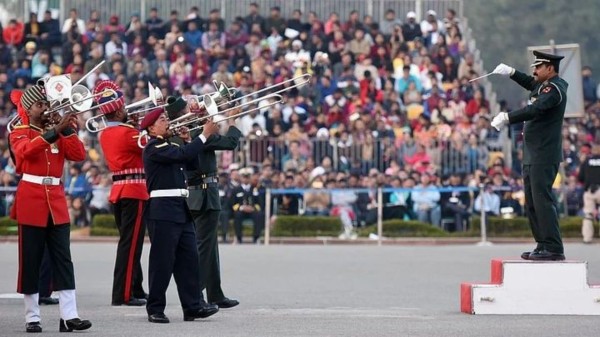
The ceremony symbolises the official conclusion of Republic Day celebrations and is held three days after January 26, allowing extended public participation. It showcases India’s military heritage through performances by the Tri-Services Bands and the Central Armed Police Forces Band. In the modern Indian context, Beating Retreat represents the armed forces returning to their barracks after days of ceremonial duty, marking a transition from celebration to reflection.
With its blend of tradition, discipline, and music, the Beating Retreat ceremony offers a dignified farewell to Republic Day celebrations, leaving behind a lasting sense of national pride and unity.