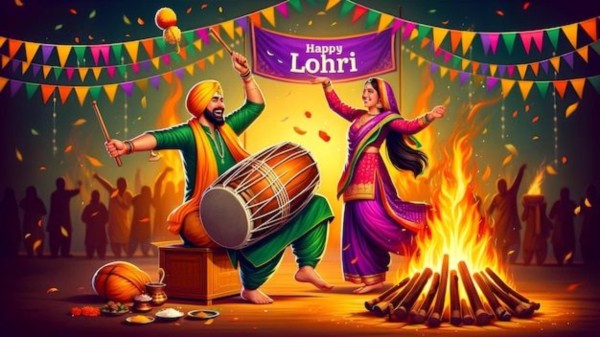
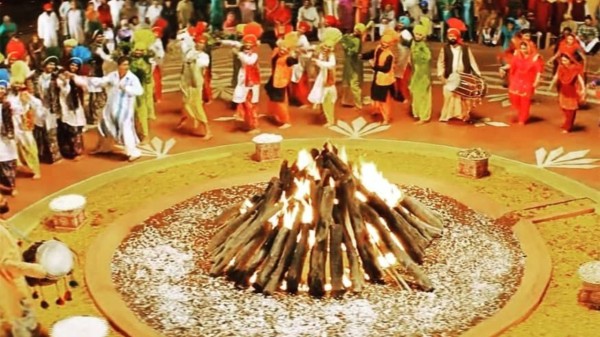
New Delhi: Lohri 2026 is fast approaching on January 13, bringing the warmth of bonfires, folk songs, and harvest joy to northern India. This vibrant harvest festival marks the end of winter solstice and welcomes longer days with community celebrations centred around the sacred bonfire. Families gather for bhangra dances, traditional feasts, and songs praising Punjab's Robin Hood-like hero Dulla Bhatti, evoking unity and prosperity. As Lohri festivities ignite, share in the spirit—have you planned your bonfire gathering yet?
Lohri 2026 promises even greater fervour with its timeless rituals of parikrama around the fire and offerings of til, gur, and rewri. Imagine the crackle of flames lighting up faces as stories of good over evil unfold. Get ready to immerse in this cultural gem—while thinking of your favourite Lohri memory.
Lohri stands as a joyous harvest festival primarily celebrated in Punjab, Haryana, Delhi, and parts of Jammu and Himachal Pradesh on 13 January 2026. It signifies the culmination of winter, the reaping of rabi crops like wheat and sugarcane, and gratitude to the sun god Agni for abundance. Communities unite in evening revelry, blending agrarian roots with exuberant bhangra and gidda dances to folk tunes.
The festival holds special joy for newlyweds and newborns, symbolising fresh starts amid sesame-based sweets and jaggery treats. Lohri's essence lies in its communal bonfire, fostering bonds through shared warmth and prayers for prosperity.
Lohri 2026: Story behind bonfire
The bonfire ritual draws from the legend of Dulla Bhatti, a 16th-century Punjabi folk hero akin to Robin Hood, who rebelled against Mughal Emperor Akbar's oppressive taxes on farmers. Born Rai Abdullah Khan Bhatti, he looted caravans to aid the poor, famously rescuing maidens Sundri and Mundri from slavery, adorning them with jewels, and arranging their weddings before a fire—immortalised in songs like "Sunder Mundariye." His defiance ended in execution in 1599, yet Lohri songs hail him as a saviour.
A central tale is the Holika-Prahlad story from Hindu mythology. Demon king Hiranyakashyap, who declared himself god and hated Vishnu worship, sought to kill his devotee son Prahlad. His sister Holika, boon-protected from fire when alone, sat with Prahlad in flames on Hiranyakashyap's orders. Divine intervention by Vishnu reversed the boon: flames consumed Holika for her malice, while Prahlad emerged unscathed, chanting Vishnu's name. Later, Vishnu as Narasimha slew the king, affirming faith's victory over evil—mirrored in Lohri's fire burning negativity.
A lesser-known etymology ties Lohri to Loi, wife of 15th-century saint-poet Kabir, pronounced "Lohi" in rural Punjab—though details of her role remain sparse in folklore, suggesting the name honours her amid fire's warmth.
Other myths include invoking Sun God (Surya) via flames to dispel winter cold, ancient fires warding off wild animals (with youth collecting wood), and etymology from til-gud (sesame-jaggery) treats or protecting communities.
Lohri bursts with diverse customs across regions—here are key ones to spark your celebrations:
1. Bonfire gathering (Parikrama)
Circle the fire thrice post-sunset, tossing til (sesame seeds), gur (jaggery), rewri, popcorn, and peanuts as offerings to Agni for prosperity and evil's banishment.
2. Folk songs and dances
Sing "Sunder Mundariye" praising Dulla Bhatti while performing energetic bhangra and gidda to dhol beats, evoking harvest joy.
3. Traditional feast
Savour sarson da saag, makki di roti, til gud ladoo, gajak, and pinni; special for newlyweds' first Lohri with gifts.
4. Chharoli or Lohri collection
Children collect grains, jaggery, and sweets door-to-door in Himachal or Jammu, funding community feasts.
5. Regional twists
In Haryana, rural bonding prevails; Punjab streets explode with firecrackers; Jammu features Chajja peacock replicas and Hiran dance.
As Lohri 2026 approaches soon, let these timeless tales of Dulla Bhatti, Holika-Prahlad, and Loi kindle your celebrations with deeper meaning. Gather loved ones around the bonfire, savour til-gur sweets, and dance to folk beats for a harvest of joy and unity.