Sign In
By signing in or creating an account, you agree with Associated Broadcasting Company's Terms & Conditions and Privacy Policy.
By signing in or creating an account, you agree with Associated Broadcasting Company's Terms & Conditions and Privacy Policy.


New Delhi: Pakistan will make another attempt to privatise its debt-ridden national carrier, Pakistan International Airlines (PIA), on December 23, state media reported. The sale, part of the country’s USD 7 billion IMF bailout programme, is aimed at reforming or divesting loss-making state enterprises. If successful, it will mark Pakistan’s first major privatisation in nearly two decades.
Founded in 1946 and once known for its strong global presence, PIA has for years struggled with mounting losses, outdated operations and heavy debt. A privatisation attempt in 2024 collapsed when the government failed to attract acceptable bids.
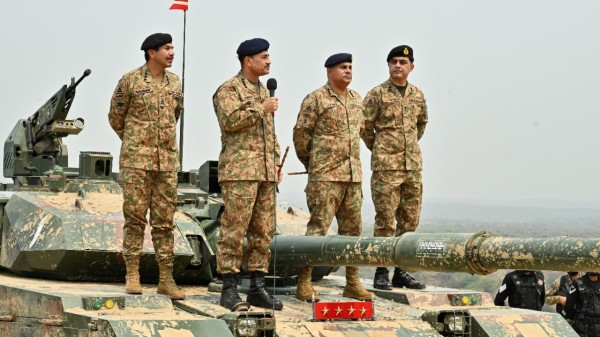
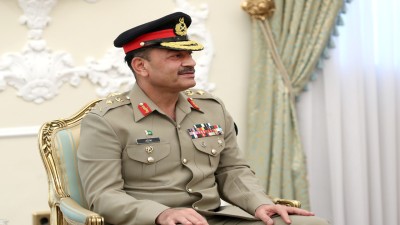
One of the leading contenders this time is the Fauji Foundation, a powerful business conglomerate linked to the Pakistan Army. Although Army Chief and the country’s most influential figure, Field Marshal Asim Munir, does not sit on the Foundation’s board, his influence is exercised institutionally. As army chief, he appoints the Quartermaster General, who occupies a key seat on the Foundation’s Central Board of Directors, ensuring military sway over one of Pakistan’s biggest corporate groups.
The Foundation’s subsidiaries—especially Fauji Fertilizer Company, Pakistan’s largest fertiliser producer—have extensive interests in energy, food and finance. If it acquires PIA, it would mark the military establishment’s formal entry into the aviation sector.
This sale marks Pakistan’s second major push after the 2024 auction received just one bid: Rs 10 billion (USD 36 million) for a 60 per cent stake from Blue World City, far below the government’s base price of Rs 85 billion (USD 305 million). The offer was rejected.
To make the airline more attractive, the government transferred nearly 80 per cent of PIA’s legacy debt to the state before last year’s auction and later cleared the remaining dues as well. The previous effort also faltered because the government refused to hand over 100 per cent ownership, a condition many buyers insisted on.
PIA was close to collapse before the 2024 sale attempt. Several of its aircraft were seized abroad over unpaid dues, and flights were cancelled due to a lack of fuel and spare parts. The airline now has a 34-plane fleet and holds just 23 percent of Pakistan’s domestic market, while Middle Eastern carriers dominate nearly 60 per cent of overall passenger traffic.
In a rare positive development, PIA resumed flights to Europe in January after the EU lifted a four-year safety ban. The UK also removed Pakistan from its Air Safety List in July, allowing PIA and other Pakistani carriers to seek permissions to operate in London and Manchester again. The bans were imposed after a 2020 Karachi crash and revelations that dozens of Pakistani pilots held fake licences.