


Sign In
By signing in or creating an account, you agree with Associated Broadcasting Company's Terms & Conditions and Privacy Policy.
By signing in or creating an account, you agree with Associated Broadcasting Company's Terms & Conditions and Privacy Policy.
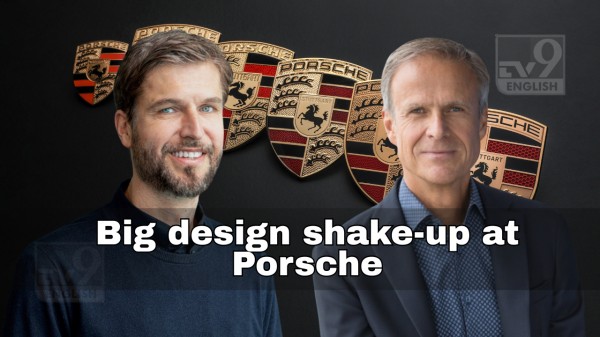
New Delhi: Porsche is reshuffling one of the most influential seats inside the company. Design, often called the soul of a sports car brand, is getting a new face. From February 1, 2026, Tobias Sühlmann will take charge as Porsche’s new Head of Design, succeeding Michael Mauer, who has shaped the brand’s visual identity for more than two decades. For car lovers, this change hits close to home. The curves of the 911, the stance of the Cayenne, and the look of the Taycan all carry Mauer’s fingerprints. Now, a designer with deep roots in supercar culture is stepping in, bringing experience from McLaren, Aston Martin, Bentley, Bugatti, and Volkswagen. Tobias Sühlmann takes over Porsche design from February 2026 Sühlmann is 46 years old and most recently served as Chief Design Officer at McLaren since September 2023. Porsche confirmed that he will officially begin his new role on February 1, 2026. Inside Porsche, the appointment is being described as a generational change. Michael...

New Delhi: Meta has made its biggest infrastructure move yet in the AI race. On January 12, CEO Mark Zuckerberg announced a new top level initiative called Meta Compute, aimed at building massive computing capacity to support the company’s long term artificial intelligence goals, including what he has described as personal superintelligence. The announcement signals a clear shift in how Meta wants to compete. This is not just about better AI models or new features on Facebook or Instagram. It is about owning the physical backbone behind AI, from data centres to power supply, at a scale that could rival small cities and even countries. What is Meta Compute and why it matters Meta Compute is a new division that will oversee Meta’s global data centre fleet, AI infrastructure, and supplier partnerships. Zuckerberg said the way Meta builds and partners for this infrastructure will become a strategic advantage for the company. In a post, he said, “Meta is planning to build tens of...

New Delhi: Right after announcing ChatGPT health, OpenAI has quietly made another move into healthcare, this time by buying a very small startup with a very specific idea. The company confirmed it has acquired Torch, a one year old health tech startup with just four employees, in a deal that values the company at around $100 million in equity, as first reported by The Information. The acquisition did not come with a flashy announcement. Still, the direction is clear. OpenAI is building out ChatGPT Health, and Torch’s work fits neatly into that plan. The entire Torch team will now join OpenAI, giving the AI firm a ready made group focused only on health data and memory. What Torch was building before the acquisition Torch was working on a consumer health app that tried to pull together a person’s medical data from many places. That includes doctor visits, lab results, wearables, medical imaging, and wellness tests. Anyone who has chased PDFs and hospital portals will get the idea....

New Delhi: Instagram users across the world woke up to a familiar panic this week. Password reset emails. SMS codes. Alerts that felt wrong. Social media quickly filled with screenshots and fear, with many asking the same question. Was Instagram hacked again. The confusion grew after reports claimed data from more than 17 million Instagram accounts had been leaked online. Cybersecurity firms flagged it, hackers bragged about it, and users were left guessing. Instagram, owned by Meta, moved fast to deny any fresh breach. But the story, like most cyber incidents, is a bit messy and far from black and white. So what actually triggered the alarm The noise started after Malwarebytes warned users that cybercriminals had access to data from around 17.5 million Instagram accounts. The dataset was shared freely on hacking forums. The person posting it claimed it came from a 2024 Instagram API leak. Soon after, Instagram users began reporting password reset emails they never asked for. That...

New Delhi: Google has taken another big step in reshaping how people shop online. At a time when searches are slowly turning into conversations, the company says buying a product should not feel like a long jump across apps, tabs and checkout pages. Instead, Google wants shopping to happen right where people are already asking questions. At the National Retail Federation event, CEO Sundar Pichai laid out this next phase clearly. Google is betting on what it calls agentic commerce, where AI systems help users move from discovery to purchase with less friction. At the centre of this plan is a new open standard called the Universal Commerce Protocol, or UCP, which Google says will quietly sit behind future shopping experiences. What is the Universal Commerce Protocol The Universal Commerce Protocol is a new open standard designed to help AI agents, retailers and payment systems talk to each other using a common language. Google says this removes the need for custom connections between...
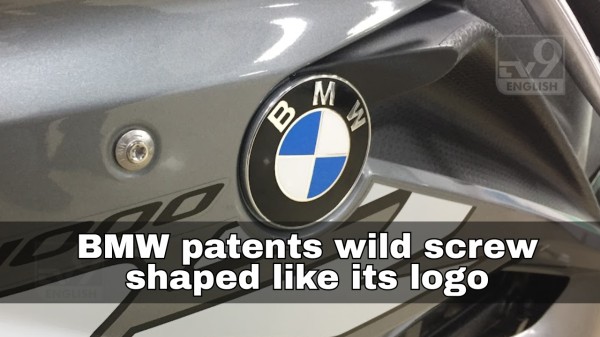
German car fans already know this story very well. You buy the car, you fall in love with it, and then one day your regular neighbourhood mechanic looks at the engine bay and quietly shakes his head. German brands love special tools, special bolts, special shapes, and parts that refuse to cooperate with normal spanners. Now BMW seems ready to push that experience to an even sharper level. A new patent spotted by CarBuzz shows BMW working on a screw that is literally shaped like the BMW logo. Sounds funny at first, but this screw is not meant to be friendly. It is designed so that standard tools cannot remove it. That means only people with BMW’s special equipment or authorised access will be able to open it. BMW’s very BMW decision German cars have always had complicated fittings. Anyone who has owned a VAG cars, Mercedes, or BMW already knows the drill. Triple-square bolts, giant Torx bits, unusual E-Torx fittings, and even big socket tools just to open something as basic as an...
New Delhi: TikTok has moved one big step closer to securing its future in the United States, and it almost feels like the end of a very long drama. As someone who has followed this story since the early days when the app first came under fire, it honestly feels strange to see it finally reaching a clearer stage after so much confusion, legal pressure and political noise. More than 170 million Americans use the platform daily, and many had been wondering whether the app would be banned or saved. Now, TikTok is moving forward with a new structure that shifts control of its U.S. operations into American hands. This comes after years of debates, courtroom battles and diplomatic negotiations involving Washington, Beijing and global investors. The company has even told employees that binding agreements are now signed and the path is laid out. A new U.S. joint venture to take control of TikTok operations According to an internal memo seen by Axios, TikTok has signed a deal to divest its U.S....
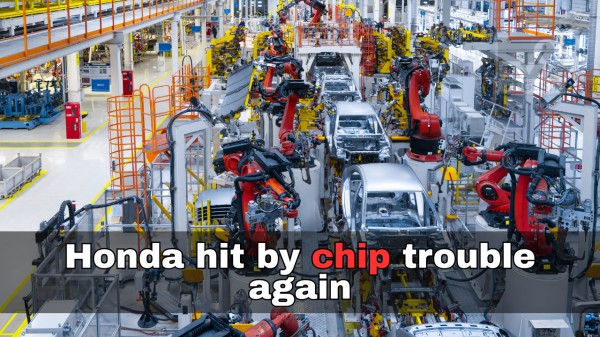
Honda, one of the biggest names in global mobility, is again feeling the heat of the auto-chip shortage, and this time the impact looks serious for Asia. We have seen supply chain chaos before, but the fact that such a huge brand still cannot get enough “simple” car chips shows how unpredictable the auto industry has become. As per reports by Digitimes , the company is now preparing to pause production both in Japan and China right at the beginning of the new year. I honestly find it wild how a tiny chip that controls basic car functions like wipers and power windows can bring giant factories to a halt. It also reminds me of chats with industry executives earlier this year who warned that older automotive chips are harder to replace than fancy new tech parts, and now we are watching that fear turn real. Honda’s Japan and China plants to hit pause as chip supply stumbles Honda will stop vehicle production at several plants in Japan on January 5 and 6, with reduced output...

New Delhi: Formula 1 is getting ready for one of its biggest rule resets in decades, and the first official renders of the 2026 cars are now out. The FIA has laid out how the next generation of F1 machines will look and work, and the changes are not small. From how the cars slice through air to how drivers deploy electric power, almost everything is being rethought. For fans who follow both racing and road cars, this matters more than it sounds. Formula 1 often acts like a testing ground for tech that later reaches regular cars. The 2026 rules aim to make racing closer, cars lighter, and engines more relevant to the real world. Teams like Ferrari and Mercedes will not be alone anymore. Audi joins in 2026, Red Bull builds its own engines with Ford, and Honda is back. Smaller, lighter cars are finally coming back One of the biggest complaints in recent years was how large and heavy F1 cars had become. The FIA has addressed that directly. From 2026, the cars will be shorter, narrower,...
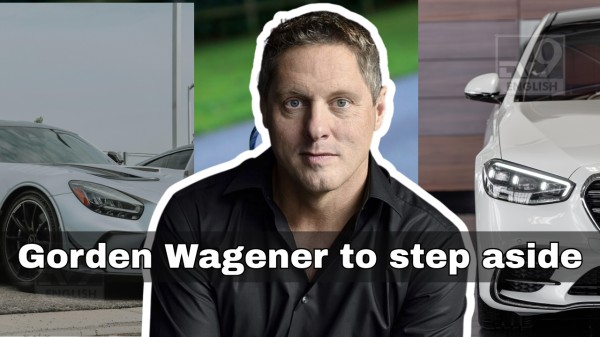
New Delhi: After nearly three decades shaping how Mercedes-Benz cars look and feel, Gorden Wagener is set to step down from his role as chief design officer on January 31, 2026. The company says the decision was taken by mutual agreement, marking the end of an era for one of the most influential designers in the modern auto industry. His successor, Bastian Baudy, currently the lead designer at Mercedes-AMG, will take charge from February 1. For car enthusiasts, this is not just a routine executive exit. Wagener’s fingerprints are on some of the most talked-about Mercedes models of the past 20 years. From sleek sedans to dramatic sports cars, his work helped pull the brand out of a conservative design shell and into something far more emotional and expressive. From engineer-led looks to emotion-led design Wagener joined Mercedes-Benz in 1997 and rose quickly through the ranks. By 2008, at just 39, he became the youngest global design head in the industry. At that time, Mercedes cars...
No posts found.

