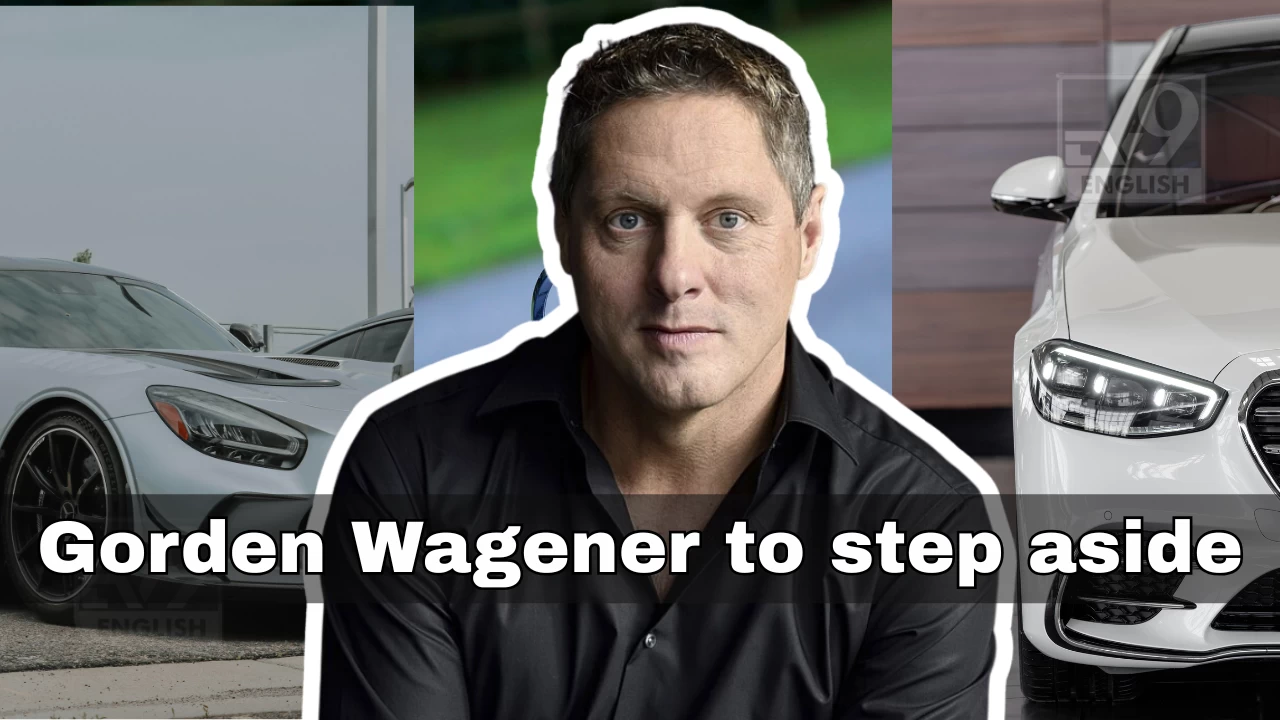
New Delhi: After nearly three decades shaping how Mercedes-Benz cars look and feel, Gorden Wagener is set to step down from his role as chief design officer on January 31, 2026. The company
says the decision was taken by mutual agreement, marking the end of an era for one of the most influential designers in the modern auto industry. His successor, Bastian Baudy, currently the lead designer at Mercedes-AMG, will take charge from February 1.
For car enthusiasts, this is not just a routine executive exit. Wagener’s fingerprints are on some of the most talked-about Mercedes models of the past 20 years. From sleek sedans to dramatic sports cars, his work helped pull the brand out of a conservative design shell and into something far more emotional and expressive.
From engineer-led looks to emotion-led design
Wagener joined Mercedes-Benz in 1997 and rose quickly through the ranks. By 2008, at just 39, he became the youngest global design head in the industry. At that time, Mercedes cars were known for solid engineering but safe styling. Wagener pushed a different idea. He called it “sensual purity”, a design approach focused on clean surfaces, strong proportions, and cars that made people feel something at first glance.
Under his watch, Mercedes models changed sharply. The CLS four-door coupe showed that luxury sedans could look sporty. The A-Class and CLA went after younger buyers. The S-Class became more sculpted and modern, setting trends other brands followed.
Cars that defined Wagener's legacy
Ask most fans to name Wagener’s best work, and the Mercedes-AMG GT often comes up first. Long bonnet, wide stance, pure drama. Many also point to the gullwing SLS, the refreshed G-Class that kept its boxy soul intact, and the evolution of Maybach into a serious ultra-luxury badge.
He also shaped dozens of concept cars. These were not just showpieces. Models like Vision One-Eleven and the recent Vision Iconic previewed future design themes for cars arriving in 2026 and 2027.
Where things went wrong
Not everything Wagener touched turned to gold. Mercedes’ EQ electric cars drew heavy criticism. Models like EQS and EQE looked smooth and rounded, built for low air drag, but many buyers found them dull or blob-like. Sales struggled, and Mercedes later toned down the design for newer EVs that look closer to petrol cars.
Inside the cabin too, giant screens became common. Some loved the tech feel. Others missed the elegance Mercedes once stood for.
A wider role beyond cars
Wagener’s influence went beyond vehicles. He oversaw design for yachts, helicopters, and even luxury residential towers in cities like Dubai and Miami. This helped Mercedes push its brand as a lifestyle name, though critics felt focus drifted from core car products at times.
What Baudy’s arrival means
Bastian Baudy, 41, now steps into big shoes. Known for AMG’s aggressive designs, he brings a sportier edge. Enthusiasts will watch closely to see if Mercedes leans back toward sharp, bold styling or continues the softer look of recent years.
For Mercedes, losing Wagener means losing a clear design voice. For fans like me, it feels like the end of a chapter. The next few launches will tell us if the story stays exciting or plays it safe.