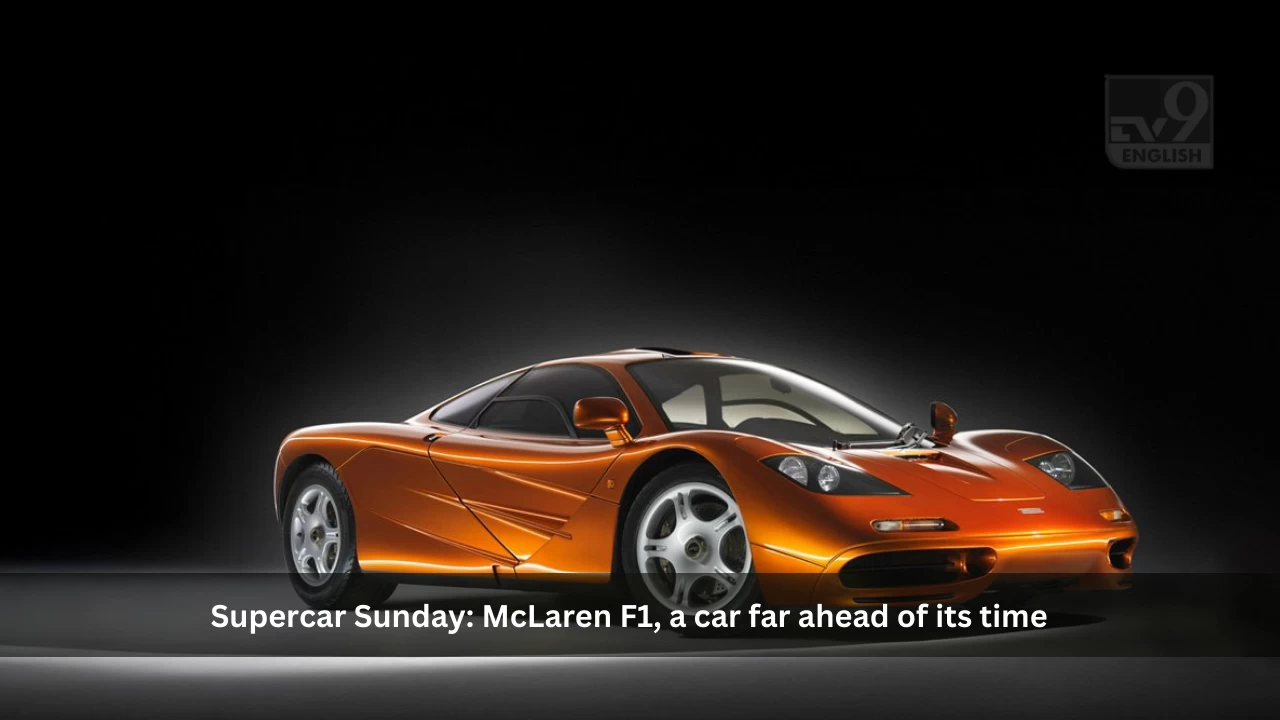
New Delhi: For McLaren, their career-defining moment came with the F1 and in the process, broke quite a few stereotypes. First conceived in 1988 and then brought to life in 1992, the F1 was McLaren Automotive’s first road car and is one of the purest samples of motoring engineering.
Made around a lightweight carbon-fibre monocoque, it was designed from the ground up to be the ultimate driver’s car and not for anyone else who might sit on either side of the wheels. Brought to life by Gordon Murray, it came out in the mid-1990s and remains a benchmark in the supercar industry. Unlike its competition, the F1 wasn’t made for any type of racing series, had no marketing-driven design brief and no predecessor to replace.
All it needed was maximum performance from the least weight, perfect balance and absolute driver focus.
McLaren F1 powertrain
McLaren gave the F1 a 6.1-litre naturally aspirated V12 engine made specifically for the car by BMW Motorsport. It was known as the S70/2, and the engine unit boasted a performance figure of 627 bhp and 651 Nm of torque. That made it one of the most powerful naturally aspirated units of its time.
The power went to the rear wheel through a six-speed manual gearbox. It was raw mechanical experience with no traction control, ABS, stability system or flappy paddles. Which meant that it needed the best of driving hands to control it. It could do 0-100 kph in a little over 3 seconds and had a top speed of 386 kph. That meant, on its release, it was the fastest car ever put into production, where it stayed until the Bugatti Veyron broke it.
McLaren F1 exterior and interior
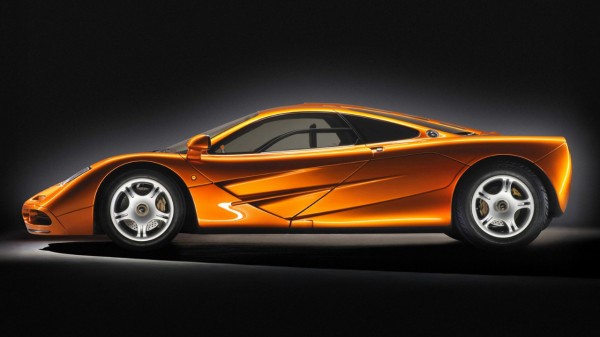
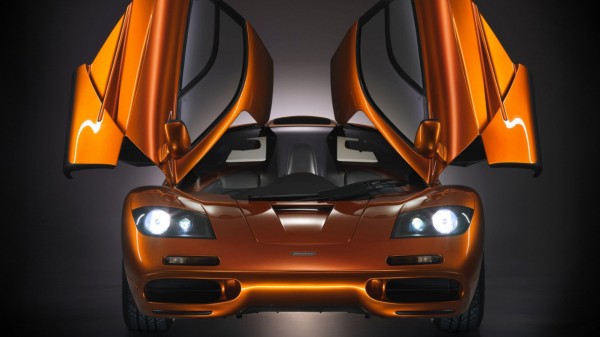
The McLaren F1’s design was dictated by function, and for that, it had lean, aerodynamic bodywork featuring a teardrop shape enhanced to reduce drag. It used carbon fibre and lightweight materials extensively to keep the weight as low as 1,138 kg. The engine bay was lined with gold foil to reflect heat.
On the inside, you've got a unique three-seat layout, with the driver placed in the middle and the two passengers on either side, set a little behind. This setup gave perfect weight distribution and unparalleled visibility. The cabin itself was quite minimalist, though well-crafted. Carbon fibre, leather and aluminium dominated as a theme of the interior, and it lacked some unnecessary features.
However, though a performance car, it did get things like air-conditioning, a bespoke audio system and even luggage compartments.
McLaren limited F1 units to just 106 units, including road cars, race cars and prototypes. It was the talk of the town, and it even got motor racing credentials with an outright win at the 24 Hours of Le Mans in 1995. It reinforced what a road-going car could be doing. It remains an example of lightweight engineering, naturally aspirated power and pure driver focus. Celebrities, including George Harrison, Lewis Hamilton and Jay Leno, have had it in their garage, showing how rare a gem it was.