New Delhi: When it comes to rewriting the rulebooks about supercars, very few may have altered as the
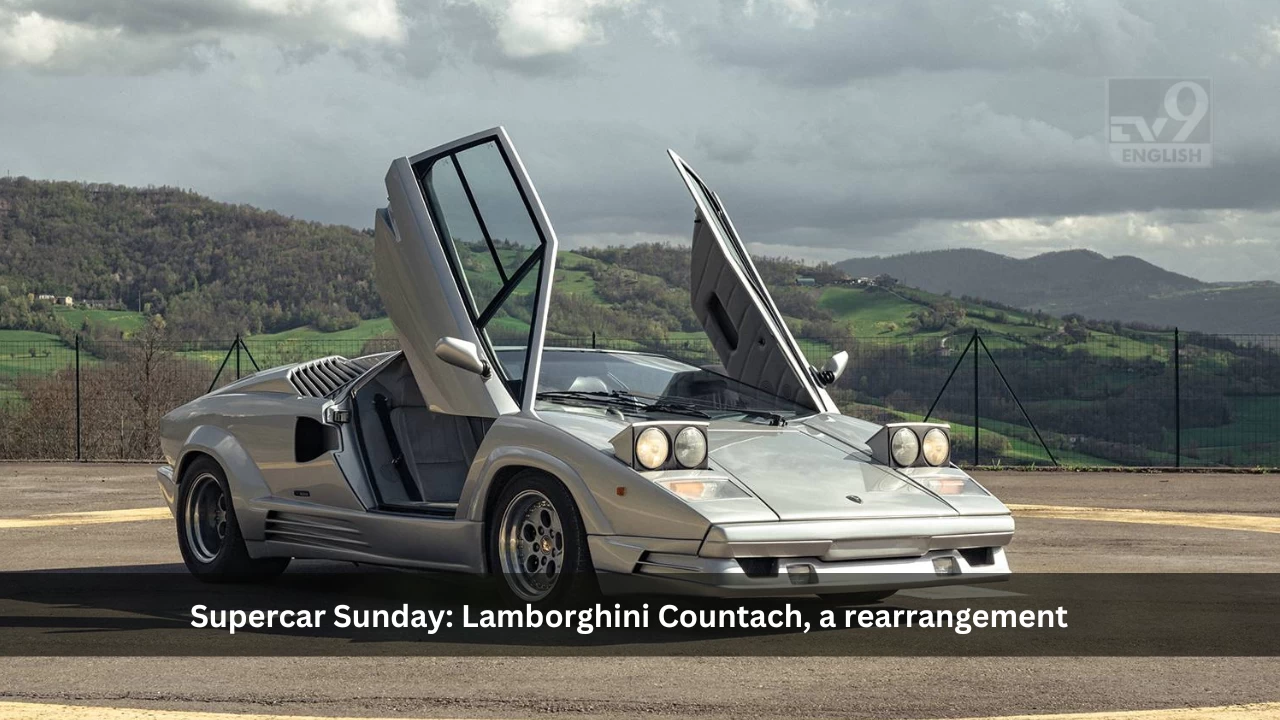
Lamborghini Countach did. Making its debut in the early 1970s, it wasn’t any other supercar but something that looked like it came from another planet or what one would imagine would take you to another planet. It came with razor-sharp lines and quite a low stance.
The Countach was the poster boy of the '70s and '80s and would redefine the term supercar itself. It came as the successor to the Miura, Lamborghini’s first mid-engined masterpiece, the Countach represented a radical shift in philosophy. It was nothing like the Miura, which was much more flowing. This was much more angular, and there was nothing subtle about it. What it became was a roadmap to all the future Lamborghinis.
Countach was first unveiled as a concept in 1971 at the Geneva Motor Show, where it was an instant hit due to its futuristic design. It entered the production line in 1974 and stayed for 16 years in the Lamborghini line. Celebrities like Rod Stewart and Jay Leno had these, and that was how celebrity was written over it.
Lamborghini Countach powertrain
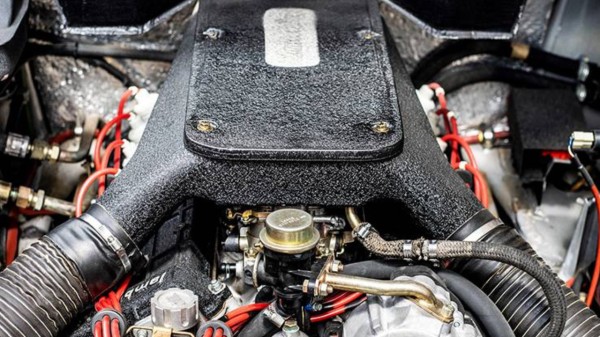
In the 16 years that it was in production, the Countach went through some hefty changes under the bonnet. In the early versions, it was powered by a 3.9-litre naturally aspirated V12, producing around 375 hp, a huge number at the time. Lamborghini steadily kept increasing the displacement and performance, and ultimately it had a 5.2-litre V12 found in the Countach 5000 Quattrovalvole, which produced up to 455 hp.
The power went to the rear wheels through a five-speed manual gearbox, reinforcing the Countach’s raw analogue power, aided by driver skills and not traction control. The driver needed a certain reverence for the car. It went to 290 kph for top speed and did a 0-100 kph in 4.5 seconds, making it one of the fastest road legal cars of the time, competing with Ferrari Berlinetta Boxer and Porsche 911 Turbo.
Lamborghini Countach interior and exterior
Miura put Lamborghini on the map, but it was the Countach that made it a legendary brand with its funky design. It was designed by Marcello Gandini at Bertone; the Countach came with a sharp wedge-shaped silhouette that would be a diagram for supercars for many decades. It was the first production car to feature scissor doors and became synonymous with Lamborghini.
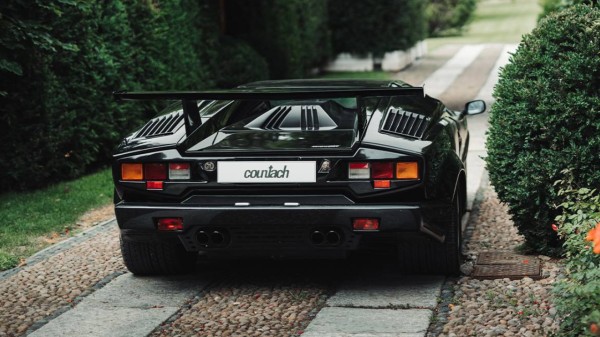
Then you had the exaggerated wheel arches, vast back tyres, wide stance and even got a huge rear wing on later models. All of this gave the Countach a road presence unlike anything else at the time. It looked aggressive even while standing still, and the proportions really stood out. There were also large air intakes and vents added over time to manage both cooling and aerodynamic demands.
On the inside, it wasn’t luxurious by modern definitions, but it was quite purposeful. You had a low seating position, a steeply raked upwindscreen and minimal headroom, and all of this didn’t make the cabin very airy. Visibility was poor, and we all know how to reverse; the driver had to sit on the door sill to see outside. However, all of this only added to the eccentricity of the brand and made it legendary.
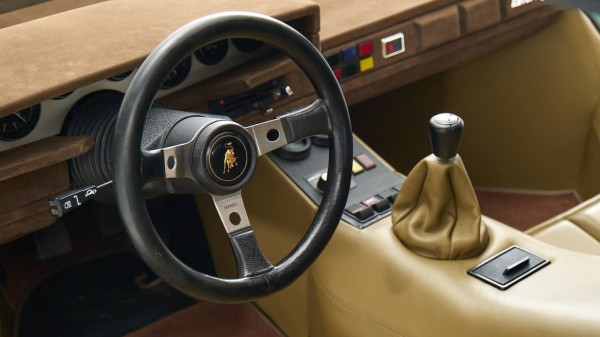
You got analogue dials, simple switchgear and leather upholstery, making it an absolute no-nonsense car. It was made for speed and thrill, and not for leisure and comfort.
By 1980, when production ended, the Lamborghini Countach had become iconic and was the poster boy for many. Even today, you find the DNA of that car coming down from generations, including in Aventador, Murcielago, and Diablo. It really influenced how supercars were perceived. Supercars were no longer about the comfort of driving but for the sake of experiencing the ultimate speed, power and thrill of driving.