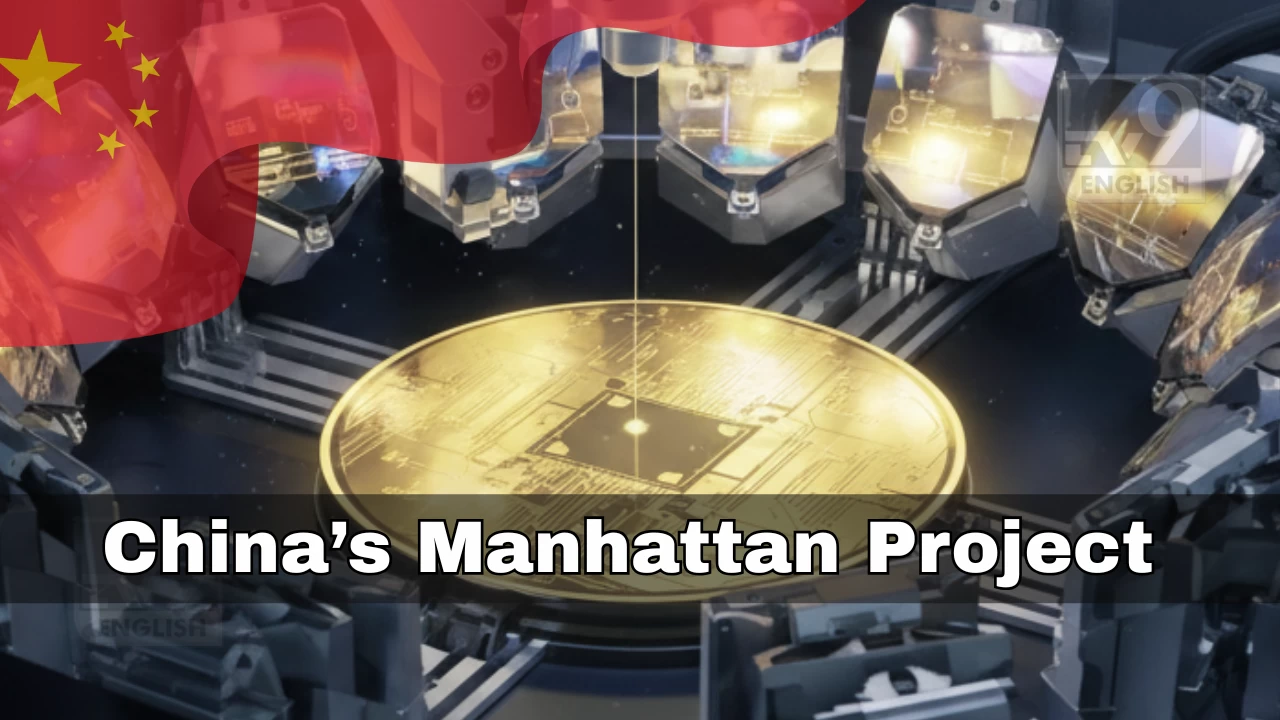
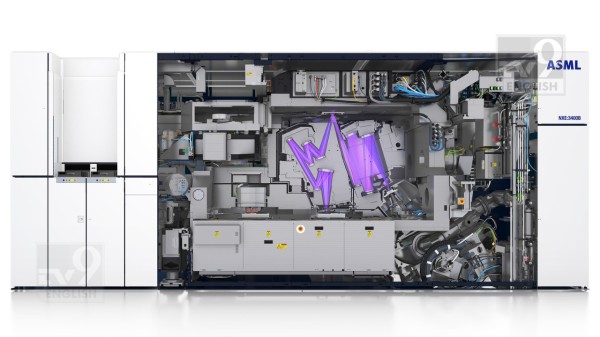
New Delhi: In a secure lab in Shenzhen, China is testing a prototype machine that could one day let it make the most advanced chips on its own, according to a Reuters report. The machine is meant to mimic ASML’s extreme ultraviolet lithography system, the gold-standard tool that sits at the centre of the US-led export push to keep Beijing away from top-end chipmaking.
Reuters
says the prototype was completed in early 2025 and now occupies almost an entire factory floor. Sources told the agency it was built by former ASML engineers and is already generating extreme ultraviolet light, even if it has not produced working chips yet.
China’s “Manhattan Project” claim, and what’s really happening
People familiar with the effort described it as China’s version of the Manhattan Project, the US wartime programme to build the atomic bomb. One source framed the end goal in blunt terms: “The aim is for China to eventually be able to make advanced chips on machines that are entirely China-made,” adding, “China wants the United States 100% kicked out of its supply chains.”
The reported project is said to be part of a wider semiconductor self-sufficiency drive linked to President Xi Jinping’s priorities, with Reuters pointing to a role for Ding Xuexiang, who heads the Communist Party’s Central Science and Technology Commission. Huawei is described as a key coordinator across a network of companies and state research institutes involving thousands of engineers.
And the secrecy sounds like something out of a spy show. Reuters reports recruits allegedly used aliases inside the facility, with at least one engineer receiving an ID card under a false name.
What lithography machines do, and why EUV is the big prize
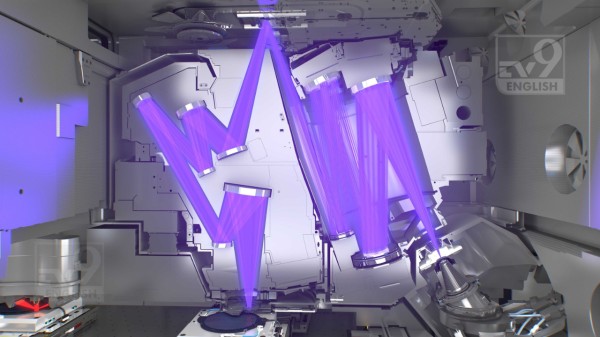
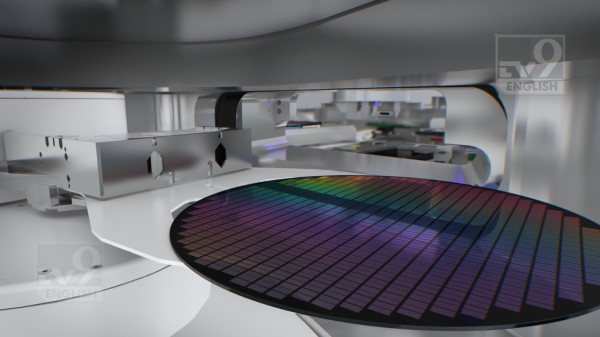
Lithography machines are basically the tools that “print” tiny circuits onto silicon wafers. Smaller circuits usually mean faster and more capable chips, the kind used for AI workloads, high-end phones, and military-grade systems.
EUV lithography is the hardest version of that job. Reuters describes EUV as using extreme ultraviolet light to etch circuits “thousands of times thinner than a human hair” onto wafers. Right now, ASML is the only company that sells these machines, and Reuters notes each system costs about $250 million, roughly ₹2,075 crore (using ₹83 per $1 as a reference conversion).
That monopoly is a big reason Washington has been pushing allies to block exports. Reuters reports the US began pressuring the Netherlands in 2018 to stop ASML from selling EUV tools to China, and that export controls widened in 2022 to cover more chipmaking equipment. ASML told Reuters that no EUV system has ever been sold to a customer in China.
ASML CEO Christophe Fouquet said in April that China would need “many, many years” to develop such technology. Reuters says the new prototype suggests Beijing may be closer than many analysts expected.
The hard parts China still has to crack
Sources told Reuters China’s machine is “crude” compared with ASML’s systems, and the toughest gap is optics, the ultra-precise mirrors and related components linked to suppliers like Carl Zeiss.
Reuters also reports that China is pulling parts from older machines and secondhand markets to get moving faster, sometimes through intermediaries. The report points to auctions of older ASML lithography equipment in China as recently as October 2025.
On the feasibility question, Reuters quoted SemiAnalysis analyst Jeff Koch saying China will have achieved “meaningful progress” if the light source is strong, reliable, and clean enough to avoid contamination. Koch also said: “No doubt this is technically feasible, it’s just a question of timeline.”
Huawei’s role, talent poaching claims, and the money trail
Reuters says some overseas recruitment offers started at 3 million to 5 million yuan, described in the report as $420,000 to $700,000. That is roughly ₹3.5 crore to ₹5.8 crore at the same reference rate. The report also mentions a March recruitment call offering “uncapped” salaries plus grants worth up to 4 million yuan and personal subsidies of 1 million yuan.
ASML, for its part, told Reuters: “It makes sense that companies would want to replicate our technology, but doing so is no small feat.” The company also said it “vigilantly guards” trade secrets and highlighted that staff are bound by confidentiality clauses.
Why Taiwan keeps coming up in this story
If China eventually makes EUV-grade chips at scale, the ripple effects will hit Taiwan straight away. Taiwan hosts TSMC, the world’s most important advanced chip manufacturer and a key supplier for major US firms. The US and its partners see China’s access to cutting-edge chipmaking as a strategic issue, not just a business one.
If Beijing can build advanced chips without Western tools, export controls lose bite, and the balance around who can manufacture the most advanced processors starts to shift. That is the core fear sitting behind the “EUV choke point” strategy.