


Sign In
By signing in or creating an account, you agree with Associated Broadcasting Company's Terms & Conditions and Privacy Policy.
By signing in or creating an account, you agree with Associated Broadcasting Company's Terms & Conditions and Privacy Policy.

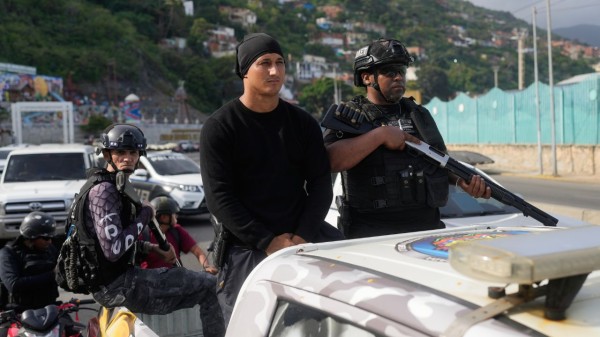
New Delhi: A long-simmering crisis between US and Venezuela has now turned into open military action. The United States has carried out strikes in Venezuela’s capital, Caracas, targeting the residence of the defence minister and key naval installations. As part of a large-scale operation, President Nicolas Maduro and his wife have been captured and flown out of the country. US President Donald Trump confirmed the operation on his social media platform, Truth Social. Maduro has repeatedly alleged that Washington’s real objective is control over Venezuela’s vast oil reserves. US officials, however, counter this by claiming that the Maduro regime is deeply linked to drug trafficking networks and that his removal is critical to safeguarding American oil interests. This escalation has once again raised a crucial question: how will military action in a country with the world’s largest oil reserves impact global crude oil prices? To understand this, it is essential to look closely at...
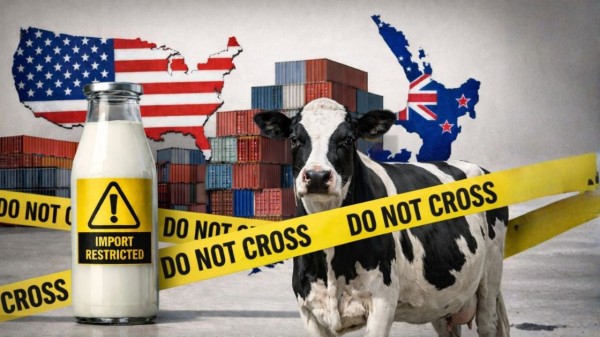
Whenever India enters trade negotiations with countries such as the United States or New Zealand , one sector repeatedly brings talks to a halt is - dairy. To an outside observer, India’s stance may appear rigid or culturally driven. But a closer examination reveals something far more structural. Dairy sits at the core of India’s rural economy, its food security framework and the livelihoods of millions. This is why, whether the pressure comes in the form of higher US tariffs or diplomatic unease in Wellington, New Delhi shows little appetite for compromise on dairy. Livelihood versus trade economics According to Food and Agriculture Organization data, around 70% of India’s milk production comes from small and marginal farmers and landless labourers who own, on average, just one or two milch animals. For them, milk is not an additional source of income but the foundation of daily survival. In contrast, in countries such as the US and New Zealand, dairy is a trade-driven...
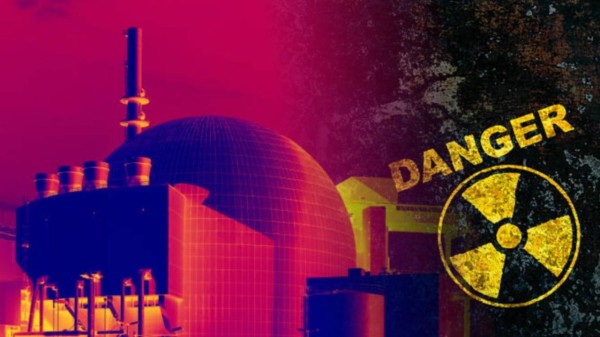
New Delhi: The debate over India 's nuclear energy has never been settled. for decades it has moved between two competing pressures- on one side lies the pressure of energy security and climate commitments, and on the other concerns around safety, accountability and public trust. The Government 's new Atomic Energy Bill 2025, known as the SHANTI Bill (Sustainable Harnessing of Advancement of Nuclear Energy for Transforming India), attempts to navigate this uneasy terrain. The Bill opens the door for private players in India 's nuclear power sector, which is a revolutionary shift for an industry that has remained firmly under state control. But, at the same time, the bill introduces provisions that have raised concerns about accountability and compensation in the event of a nuclear accident. The SHANTI Bill 's liability cap is the most debated clause. Under this, a private operator’s maximum liability in the case of a nuclear accident is limited to ₹3,000 crore....
No posts found.
