
Sign In
By signing in or creating an account, you agree with Associated Broadcasting Company's Terms & Conditions and Privacy Policy.
By signing in or creating an account, you agree with Associated Broadcasting Company's Terms & Conditions and Privacy Policy.
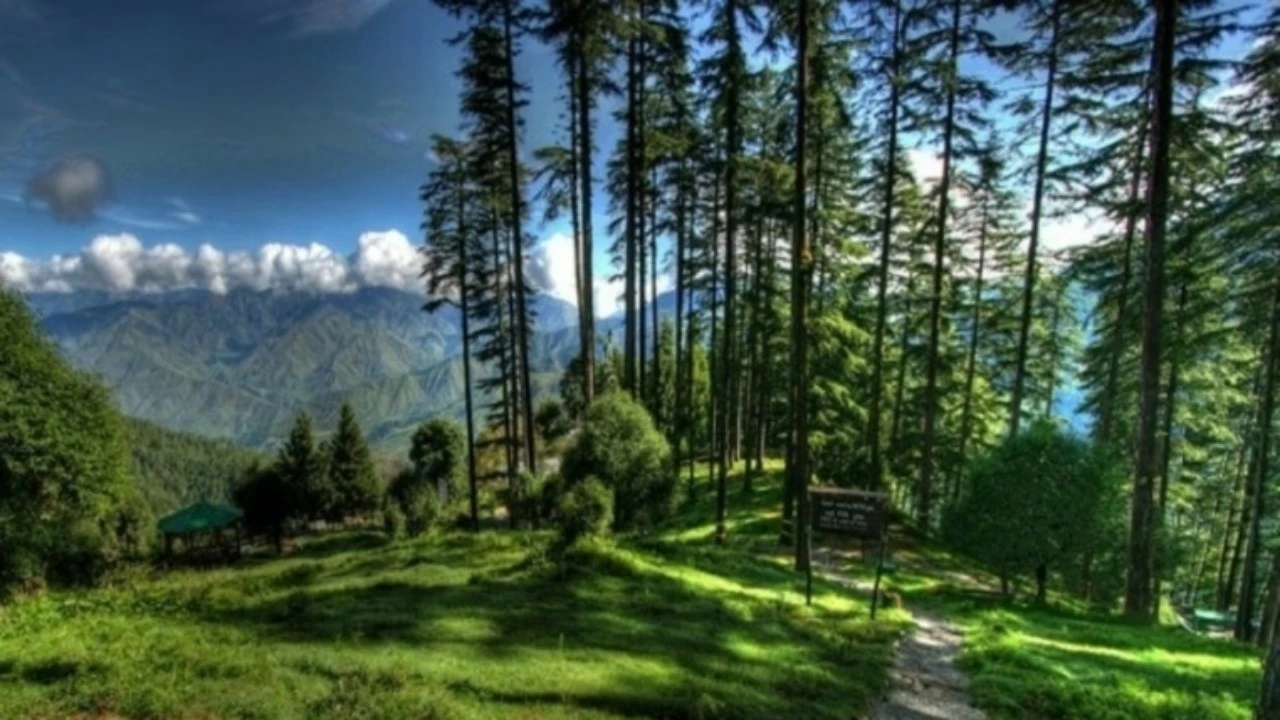


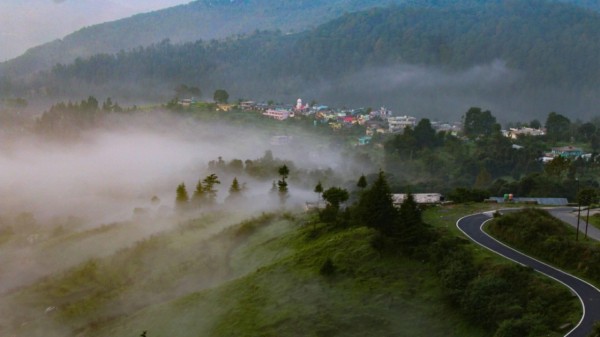
Mussoorie: The Queen of Hills, Mussoorie, is famous for its breathtaking views, cool climate, and rich greenery. Among its natural treasures, the oak trees stand out as symbols of history, ecology, and beauty.
These trees were planted nearly two centuries ago during British rule and continue to shape Mussoorie’s identity today.



Oak Trees from the British Era
In 1827, the British developed Mussoorie as a hill station and military base. Sanatoriums and hospitals were built to treat wounded soldiers. To provide security, privacy, and shade, oak trees were planted extensively across the town. Over time, these plantations became an inseparable part of Mussoorie’s landscape.
The oak trees not only served military needs but also gave Mussoorie its evergreen charm. Today, they are a living reminder of the town’s colonial past and its transformation into a popular tourist destination.

Ecological Importance
Oak trees are crucial for Mussoorie’s environment. They help maintain soil fertility, prevent erosion, and support water conservation in the hilly terrain. Their dense canopy provides shelter to birds, insects, and small animals, making them an important part of the local ecosystem.

The trees also help regulate the climate by keeping the air cool and fresh. In a town that attracts thousands of visitors every year, oak trees silently work to balance nature and protect the fragile Himalayan ecology.
Tourist Attraction
For tourists, Mussoorie’s oak and pine trees are more than just greenery. They add to the scenic beauty of the hills, making walks, treks, and sightseeing more enjoyable. Visitors often admire the tall, evergreen oaks that line the roads and valleys, giving Mussoorie its unique charm. The presence of these trees has made Mussoorie a favorite destination for nature lovers, photographers, and those seeking peace in the lap of the Himalayas.

Benefits to Local People
Oak trees are also valuable to local communities. They provide wood, fodder, and leaves that are used in traditional practices. More importantly, they protect villages from landslides and soil loss, ensuring safety for residents living on steep slopes.
By supporting agriculture and daily life, oak trees continue to serve the people of Mussoorie just as they did in the past.

A Blend of History and Nature
Mussoorie’s oak trees represent a rare blend of natural beauty and historical significance. Planted during the British era for soldiers’ protection, they now stand as guardians of the environment. Their presence connects the past with the present, reminding everyone of the importance of preserving nature.