


Sign In
By signing in or creating an account, you agree with Associated Broadcasting Company's Terms & Conditions and Privacy Policy.
By signing in or creating an account, you agree with Associated Broadcasting Company's Terms & Conditions and Privacy Policy.
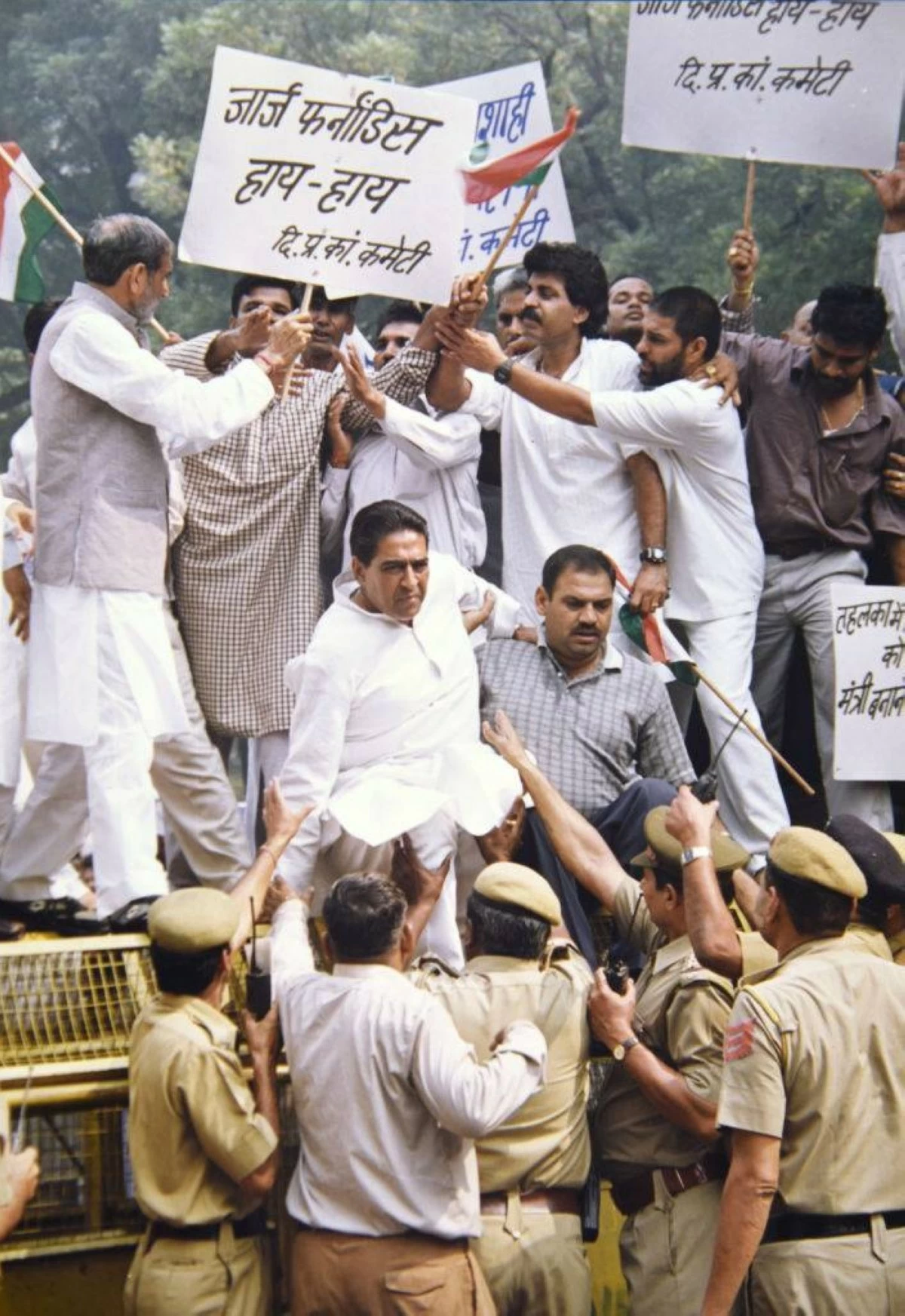


The Kargil War of 1999, a moment of national pride for India, was tragically shadowed by the "Coffingate" scandal. The casket procurement controversy ensnared then-Defence Minister George Fernandes and continues to resonate even today. At its heart was the procurement of aluminium caskets for fallen soldiers, a deal riddled with allegations of corruption, substandard materials, and inflated prices.
The procurement process involved US-based firms Buritrol and Baizarces. The deal raised immediate red flags. According to the Comptroller and Auditor General (CAG) report, significant irregularities were estimated, resulting in losses in the tens of thousands of crores. This incident led to a CBI investigation, charging Fernandes and others with criminal conspiracy and corruption.

Despite these serious allegations and Fernandes' subsequent resignation, the CBI ultimately failed to establish his direct involvement in the case. He was acquitted in 2013. Fernandes consistently maintained his innocence in the media, claiming the controversial procurement never reached his desk.
“I needed no ‘clean chit’ from the CBI to know that the aluminium casket purchase issue had never even come to my table during my tenure as Defence Minister let alone my drinking the blood of martyrs, as the Congress accused me of doing,” the JD(U) leader had said in a press statement here.
However, Coffingate was not an isolated incident. It became entangled with the larger Tehelka sting operation, a major exposé that revealed widespread corruption within the government. This operation, conducted by the investigative news magazine Tehelka, captured on camera high-ranking officials allegedly accepting bribes. Two recordings proved particularly damaging. One showed then-BJP President Bangaru Laxman allegedly accepting a bribe, and the second implicated Fernandes. The latter recording involved undercover Tehelka journalists posing as arms dealers, who met with an official in Fernandes's office. This official promised to convey their concerns to the minister. The "arms dealers" then offered a donation to the party, leading to a meeting with the party treasurer.
The Tehelka sting had immediate consequences. Both Laxman and Fernandes resigned. Yet, remarkably, Fernandes was reinstated to his position, a move widely criticised and described by some as "the second coronation of King George".
Fernandes steadfastly denied any wrongdoing. In 2015, following his exoneration in the casket scam, he publicly demanded an apology from the Congress party for their allegations. He argued that his acquittal invalidated all accusations. A later CBI status report to the Supreme Court acknowledged the charges but also noted that all accused were discharged in 2013. Ultimately, the Supreme Court dismissed a Public Interest Litigation (PIL) related to the matter.

