Sign In
By signing in or creating an account, you agree with Associated Broadcasting Company's Terms & Conditions and Privacy Policy.
By signing in or creating an account, you agree with Associated Broadcasting Company's Terms & Conditions and Privacy Policy.
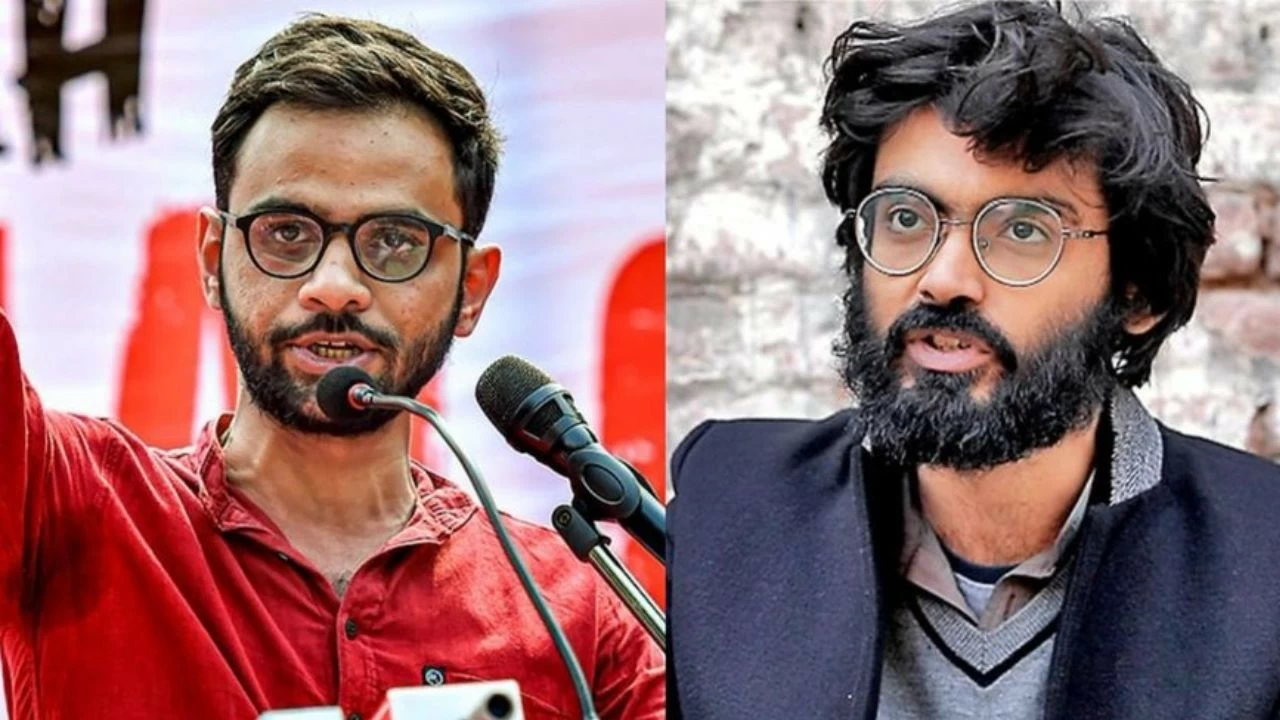


New Delhi: The Supreme Court on Monday refused to grant bail to student leaders Sharjeel Imam and Umar Khalid, who are among those who are behind bars for many years in connection with the 2020 Delhi riots case.
The riots in the national capital broke out amid protests against the Citizenship Amendment Act (CAA) and the National Register of Citizens (NRC). Apart from Khalid and Imam, the bail pleas of Gulfisha Fatima, Meeran Haider, Shifa ur Rehman, Mohd Saleem Khan, and Shadab Ahmed have been granted by the apex court.
Former PhD scholar Umar Khalid has been in custody since September 13, 2020, while Sharjeel Imam has been incarcerated since January 28, 2020. The accused argued that the prosecution adopted a strategy of arresting one accused at a time to artificially extend the alleged conspiracy and delay the trial, HT reported.
However, the prosecution maintained that the petitioners deliberately slowed down the trial in order to later seek bail on the grounds of delay. Additional Solicitor General SV Raju argued that the trial could be completed within two years if the accused did not obstruct the proceedings.
During the last hearing on December 10, the Delhi High court repeatedly questioned the Delhi Police on the applicability of Section 15 of the UAPA, which defines a “terrorist act”, to speeches and protest-related activities cited by the prosecution.
One of the most contentious speeches attributed to Umar Khalid dates back to 2016, when he allegedly raised the slogan “Bharat tere tukde tukde honge” during a protest at JNU.
In one of his videos, Sharjeel Imam was heard suggesting that the “Chicken’s Neck Corridor” should be cut off from India, effectively separating Assam from the rest of the country. In another video, Imam spoke about creating a “chakka jam” by “paralysing Delhi” and cutting off essential supplies such as milk and vegetables. The defence argued that the speeches and chats were selectively presented with the intent of creating prejudice.
On September 2, 2025, the Delhi High Court held that the evidence collected by investigators indicated that Khalid and Imam were the “intellectual architects” of the Delhi riots.