Sign In
By signing in or creating an account, you agree with Associated Broadcasting Company's Terms & Conditions and Privacy Policy.
By signing in or creating an account, you agree with Associated Broadcasting Company's Terms & Conditions and Privacy Policy.
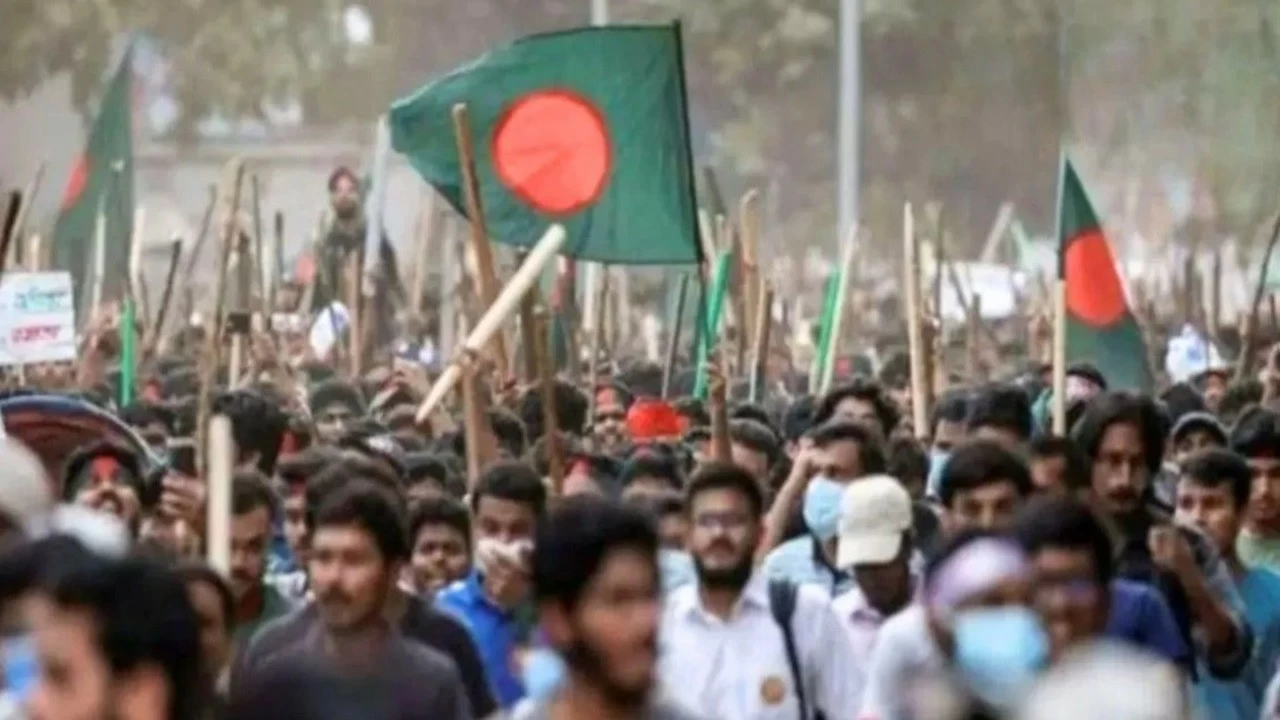


New Delhi: As Bangladesh marches toward its high-stakes general elections on February 12, a wave of violence against minorities has intensified. On Monday, the targeted killing of a young Hindu professional marked the fifth such incident in less than three weeks, sparking grave concerns over the state of law and order during the transition of power.
Execution in broad daylight
The victim, identified as Rana Pratap Bairagi, was shot dead in full public view at Kopalia Bazar in the Monirampur upazila of Jessore district. According to local police and reports from journalist Salah Uddin Shoaib Choudhury, the attack occurred around 5:45 PM local time.
Bairagi was a prominent figure in his community, serving as the acting editor of the Narail-based daily BD Khobor and managing a local ice factory business. Despite the public nature of the execution, the assailants managed to flee, and police have yet to announce any arrests or a definitive motive.
A pattern of brutality: 20 days of terror
The slaying of Bairagi is part of a broader, more alarming surge in targeted attacks against the Hindu community in Bangladesh.
In Shariatpur, a Hindu businessman named Khokon Das was intercepted by a mob while returning from his medical shop on Dec 31. He was doused in petrol, set on fire, and beaten. He later succumbed to his injuries at Dhaka Medical College Hospital.
Perhaps the most gruesome incident involved Dipu Chandra Das, a 27-year-old garment worker in Mymensingh, on December 18. Accused of blasphemy during a factory event—an allegation later found to be entirely baseless by investigators—Das was stripped, beaten, hanged from a tree, and set on fire by a mob.
Rising tensions and the path to Feb 12
The recurring violence has cast a dark shadow over the electoral process. While police claim investigations are ongoing in all cases, the lack of swift convictions has fueled a sense of insecurity among minority groups. Human rights advocates and local media outlets, including the daily Khoborer Kagoj and Blitz, continue to highlight the "glaring lack of clarity" in how these targeted crimes are being addressed.
With the final voter lists published and the country less than a month away from the polls, the international community and local observers are watching closely to see if the interim authorities can stem the tide of communal violence and ensure a safe environment for all citizens to exercise their franchise.