Sign In
By signing in or creating an account, you agree with Associated Broadcasting Company's Terms & Conditions and Privacy Policy.
By signing in or creating an account, you agree with Associated Broadcasting Company's Terms & Conditions and Privacy Policy.
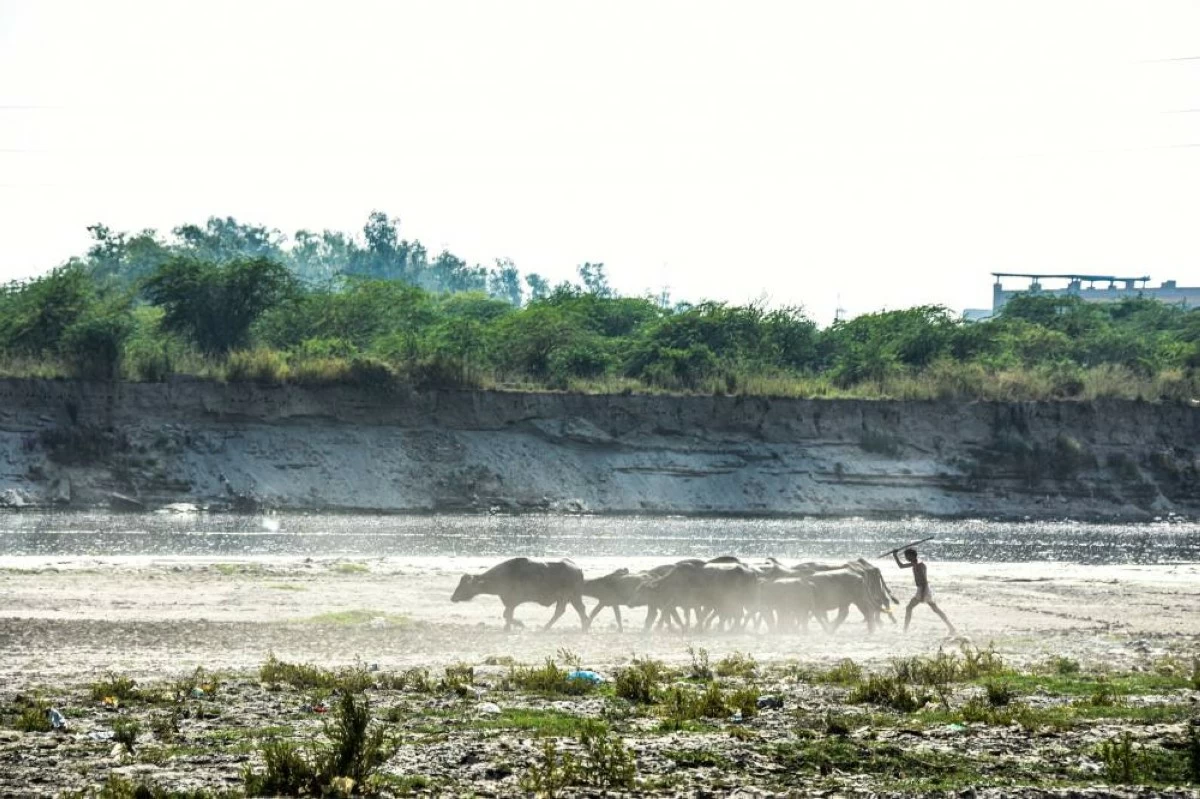


New Delhi: India is facing a growing crisis as heatwaves become longer, deadlier, and more frequent. These extreme weather events are no longer rare and are causing severe impacts on people’s health, livelihoods, and the environment. The main driver behind this trend is climate change, fueled by human activities like burning fossil fuels, deforestation, and urbanization. Combined with India’s unique geography and socio-economic challenges, these factors are making heatwaves a major threat. This article explores why heatwaves are worsening in India and highlights the latest updates as of April 2025.
Climate change is the biggest reason for the rise in heatwaves. Global temperatures are increasing due to greenhouse gases like carbon dioxide and methane, which trap heat in the atmosphere. In India, this has led to higher average temperatures and more extreme heat events. According to the India Meteorological Department (IMD), the number of heatwave days has jumped from 413 in the 1980s to 600 in the 2010s. The five warmest years in India’s history have all occurred in the last decade, with 2024 being the hottest on record. Scientists say that heatwaves that once happened every 50 years are now occurring every 10 years and are 1.5°C hotter due to climate change.



India’s geography makes it especially vulnerable to heatwaves. The country’s plains, like the Indo-Gangetic region, experience scorching temperatures during the dry season from March to July. High-pressure systems trap hot air, while warm winds from nearby deserts add to the heat. Coastal areas face humid heat, which feels even worse because high humidity prevents sweat from evaporating, making it harder for the body to cool down. A wet-bulb temperature of 35°C, where heat and humidity become deadly, is becoming a risk in places like the Ganges basin. In 2024, cities like Delhi recorded nighttime temperatures as high as 35.2°C, offering no relief even after sunset.
Urbanization and deforestation are worsening the situation. Cities like Delhi and Mumbai are growing rapidly, with concrete buildings and roads trapping heat, creating “urban heat islands.” Green spaces, which help cool areas naturally, are shrinking due to construction. A 2022 study found that indoor temperatures in some urban homes were higher than outside, making it hard for people to escape the heat. Deforestation also reduces shade and increases local temperatures. India’s urban population has grown fourfold since 1970, putting more people at risk of extreme heat.
Heatwaves are becoming deadlier because of their impact on health and the economy. High temperatures cause heatstroke, dehydration, and heat exhaustion, which can lead to death, especially among the elderly, children, and those with chronic illnesses. In 2024, India reported 733 heatstroke deaths and over 40,000 cases across 17 states, far higher than the official count of 360. Outdoor workers, like rickshaw pullers and farmers, are hit hardest as they cannot avoid the heat. Heatwaves also reduce crop yields, with wheat production dropping 6-7% in 2022 due to extreme heat. Livestock and dairy farming are suffering, with milk yields projected to fall 25% by 2100.
The frequency and duration of heatwaves are increasing due to climate patterns like El Niño, which warms the Pacific Ocean and triggers hotter, drier conditions in India. In 2024, fewer monsoon thundershowers and dry soils made heatwaves worse, especially in northwest and eastern India. The IMD reported twice as many heatwave days than usual in these regions. Humid heatwaves, which are more dangerous, are now expected every five years instead of once a century. If global warming reaches 2°C, such events could occur every two years.
India’s response to heatwaves is improving but faces challenges. The National Disaster Management Authority (NDMA) issued guidelines in 2016 to prepare for heatwaves, and cities like Ahmedabad have Heat Action Plans (HAPs) that include early warnings and medical training. These plans have saved lives, with Ahmedabad avoiding 1,190 deaths annually. However, many HAPs are underfunded, and healthcare workers often lack training to handle heatstroke cases. During the 2024 elections, heat mitigation was neglected, leading to avoidable deaths. Experts call for better early warning systems, local temperature thresholds, and workplace protections like rest breaks for outdoor workers.
For 2025, the IMD has warned of an intense heatwave this summer, with states like Uttar Pradesh and Odisha expecting 10-11 heatwave days from April to June. Nighttime temperatures are rising faster than daytime ones, increasing health risks. A report by Sustainable Futures Collaborative (SFC) in April 2025 highlighted that major cities are unprepared for worsening heat. Recommendations include more funding for HAPs, urban greening, and cool roofs to reduce heat. Experts also urge India to cut greenhouse gas emissions, as it is the world’s third-largest emitter, relying heavily on coal.