
Sign In
By signing in or creating an account, you agree with Associated Broadcasting Company's Terms & Conditions and Privacy Policy.
By signing in or creating an account, you agree with Associated Broadcasting Company's Terms & Conditions and Privacy Policy.
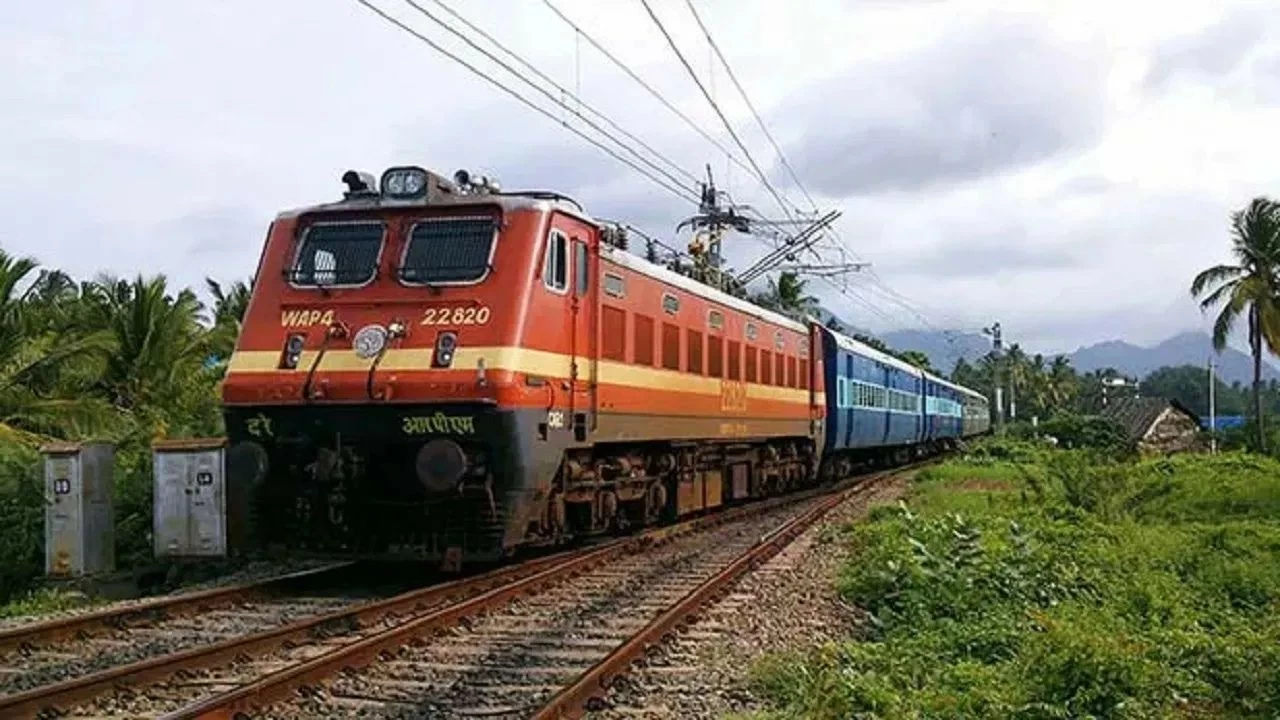

New Delhi: Indian Railways is all set to increase passenger fares from December 26, 2025. However there will not be any increase in prices in suburban services and also the monthly season tickets. Also passengers travelling in ordinary class upto 215 kilometres (kms) from their original destination, will not have to pay any extra charges, despite the fare hike.
According to a report in the Times of India, the passengers travelling in ordinary class, beyond 215 km will have to pay 1 paise more per km, post the fare hike. Whereas those travelling in non-AC mail and express trains will have to pay an additional 2 paise per kilometre. Similarly AC fares will also increase by 2 paise per km, said the Indian Railways.
One must note that even after the fare hike, for a 500 kilometre journey in a non-AC train the passengers will have to shell out only Rs 10 more than what they are currently paying for their tickets. The Indian Railways has said that this "minor" increase in fares will help fetch at least Rs 600 crore this year.
The Railways said that they have significantly expanded operations in the last decade. There has also been an increase in manpower to support the services offered to passengers and also to improve safety. This increased manpower costs the Railways an additional Rs 1.15 crore and if the pensions that they give to their employees is added, it comes to Rs 60,000 crore. Adding up all this and more, the Railways says that the total operations cost has risen to Rs 2.63 lakh crore in 2024-25.
The Railways in a statement said, "To meet this higher manpower costs, the Railways is focusing on increased cargo loading with limited passenger fare rationalization. These efforts have helped improve safety and operational efficiency, making India the second largest cargo-carrying railway in the world."
The Railways also highlighted the fact that during the recently concluded festival season, they operated 12,000 trains, which according to them shows their efficiency.
They added that they will continue to strive towards achieving greater efficiency and cost control to meet its social goals.