Sign In
By signing in or creating an account, you agree with Associated Broadcasting Company's Terms & Conditions and Privacy Policy.
By signing in or creating an account, you agree with Associated Broadcasting Company's Terms & Conditions and Privacy Policy.
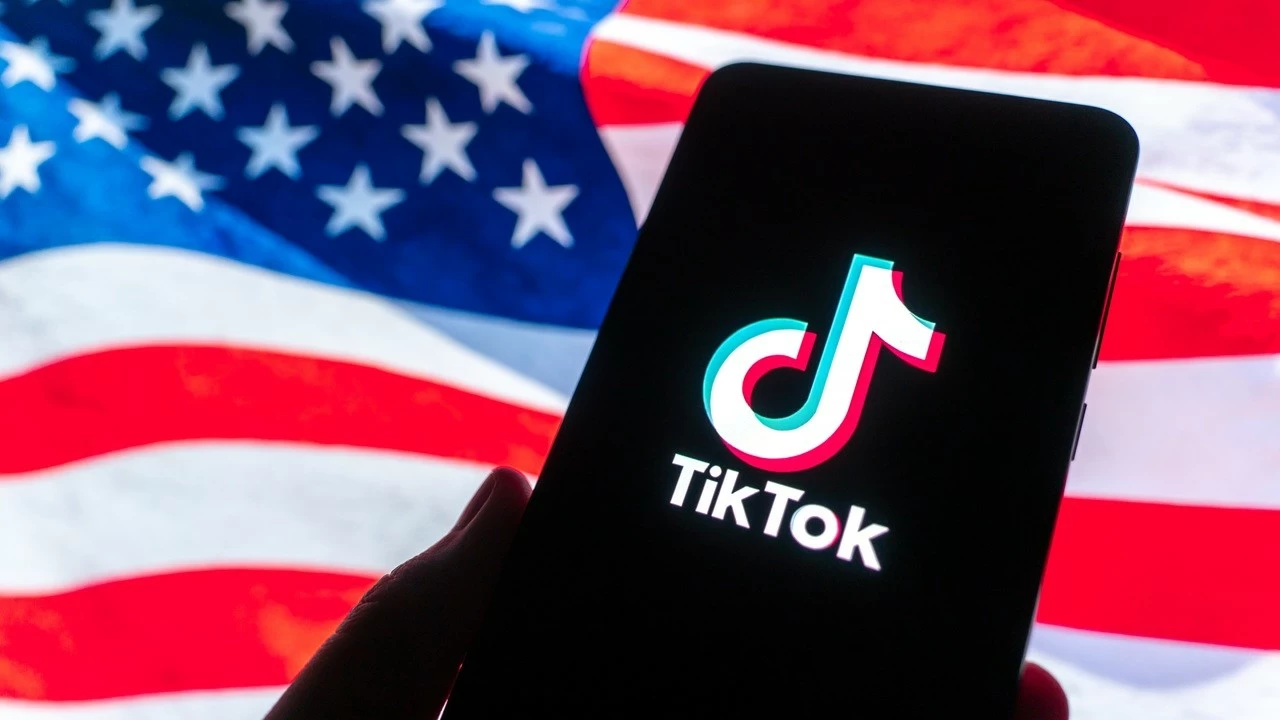

New Delhi: One of the most popular mobile applications in the world, TikTok is finally seeing major changes in its ownership that might bring about significant effects in its existence, especially in the United States. This comes after years of political and legal hassle surrounding TikTok in the US.
Finally, TikTok’s Chinese parent company ByteDance has signed binding agreements to restructure control of its US operations. Under the new deal TikTok’s American business will be placed into a new joint venture called TikTok USDS Joint Venture LLC, controlled primarily by a group of American and global investors. Major players in the investor group include Oracle, the private equity firm Silver Lake, and Abu Dhabi-based MGX.
This new entity will run TikTok’s U.S. operations independently, including data protection, content moderation, algorithm oversight, and software assurance. Oracle, in particular, will reportedly act as a “trusted security partner.” It is expected to host US user data in secure domestic servers, a major point of contention that the US administration had from TikTok and its continued use in the country.
Meanwhile, ByteDance's broader US businesses like advertising and marketing will remain separate from the joint venture stipulated in the new deal. The deal, reportedly valued at around $14 billion, is expected to close by January 22, 2026, just ahead of a legal deadline that would have resulted in the ban of TikTok in the US.
The current deal has come after long trials and tribulations for the company. While TikTok became one of the most popular apps in the US, with time national security concerns related to it led to several legal problems for TikTok and its parent Chinese company.
Critics in the US argued that because the parent company of the app, ByteDance, is based in China, it could hand over sensitive data about American users to the Chinese government if forced under Chinese law. Another fear was China using the app to influence the US political agenda.
Thus in 2024, the US Congress passed a law requiring that TikTok’s US operations be divested from ByteDance or face a nationwide ban. As a result TikTok briefly even went offline in the US. It returned only after it was agreed to allow time for a deal to be reached.
It was due to several executive orders enforced by US President Donald Trump that the deadline for the deal was extended. A framework agreement was announced in September, and it was after several negotiations that the binding agreements were signed in December.
While the deal has now been finalised and TikTok looks to remain in US app stores, it reflects a larger tension between the US and China over technological breach, data ownership and economic exchange. Requiring TikTok to divide its ownership and control between foreign and domestic interests looks to be a newly opened front of conducting economic deals, especially those pertaining to the internet and social media. That both parties finally acquiesce to the deal also shows how a new way of conducting global business is being etched due to the internet.
The extent to TikTok’s ownership and how exactly the ownership of data would work remains to be seen as the exact boundaries of control over algorithms and data ownership may be complex. For users in the US though, it is time to rejoice as TikTok looks to finally continue in the country without any hurdles.