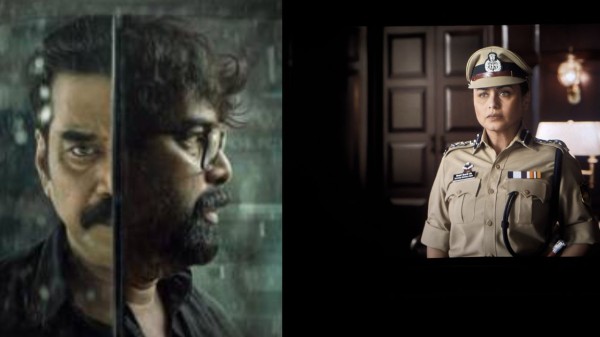
Mumbai: In a Bollywood landscape full of ‘heroes’, only a few can truly be called ‘artists’. Nawazuddin Siddiqui is firmly among them, leading from the front. In Netflix’s latest offering, Raat Akeli Hai – The Bansal Murders, he returns as the gritty and relentless Jatil Yadav. The name ‘Jatil’ meaning complex, feels deliberate ‒ reflecting not just the man, but the moral maze he is tasked to untangle and must navigate.
The Plot: Grand haveli, darker secrets
The story begins at the Bansal family’s sprawling haveli. A place that looks magnificent from the outside but reeks of decay within. The film sets an eerie tone early on with a chilling sight of dead crows scattered behind the mansion. A grim omen of the ‘bloody storm’ about to hit the family.
When a murder shatters the carefully curated respectability of the mansion’s inhabitants, the political machinery moves quickly. The higher-ups want a fast closure, hoping to pin the crime on a local drug addict, sweep the truth under the rug and move on. But Jatil Yadav’s intuition tells him otherwise. As he investigates characters like Neera (Chitrangada Singh) and the mysterious Guru Maa (Deepti Naval), it becomes clear that in this house, everyone wears a mask of innocence. If anything, the house is built on silence, hierarchy and quiet violence.
Direction & Writing: A gripping slow-burn
Director Honey Trehan excels at maintaining a dark, atmospheric tension that gathers weight, rather than speed, throughout the second half. This isn’t your typical fast-paced thriller, it is a slow-burner that rewards patience. The writing is deeply rooted in a ‘desi’ (local) sensibility, making the dialogue and settings feel authentic to the Indian heartland.
One of the film’s greatest strengths is its social commentary. The writing remains grounded in a recognisably Indian social reality ‒ right from speech to the power dynamics at play. The murder investigation becomes a lens to examine:
* The widening gap between the elite and the marginalised.
* The moral erosion of the fourth-pillar, the media.
* The political games to protect the powerful at all costs.
Performances: Restrained and powerful
Nawazuddin Siddiqui once famously called himself an ‘ugly-looking’ actor, but this film proves that his talent is breathtakingly beautiful. As Jatil Yadav, he avoids loud ‘heroics’. There are no grand speeches or dramatic outbursts, just weary-but-stubborn policeman who moves toward the truth with a persistence and controlled intensity that comes from lived disillusionment.
Chitrangada Singh delivers a haunting performance, conveying years of buried secrets through her expressions. Deepti Naval adds a layer of classic sophistication to Guru Maa, while Radhika Apte, despite limited screen-time, asserts her presence every second she is on it.
Final Verdict: Should you watch it?
If you enjoy ‘masala’ movies with over-the-top action, this new instalment of Raat Akeli Hai might not be for you. It will test your patience. But for those who love a deep, intellectual exercise, the film is a feast and rewards close attention.
The film is more than just a ‘whodunnit’… it is a ‘whydunnit’! It is more a study of why crime flourishes and explores the rot in society that creates them. The climax lands with a genuine ‘O-teri!’ (Oh-my-god!) moment that will leave you stunned.







![OTT releases this week [Feb 2 – Feb 8, 2026]: new movies and shows to watch](https://www.tv9english.com/newsninelivenews/uploads/images/2026/02/02/thumbs/600x600/31468.webp?t=1 "OTT releases this week [Feb 2 – Feb 8, 2026]: new movies and shows to watch")