Sign In
By signing in or creating an account, you agree with Associated Broadcasting Company's Terms & Conditions and Privacy Policy.
By signing in or creating an account, you agree with Associated Broadcasting Company's Terms & Conditions and Privacy Policy.
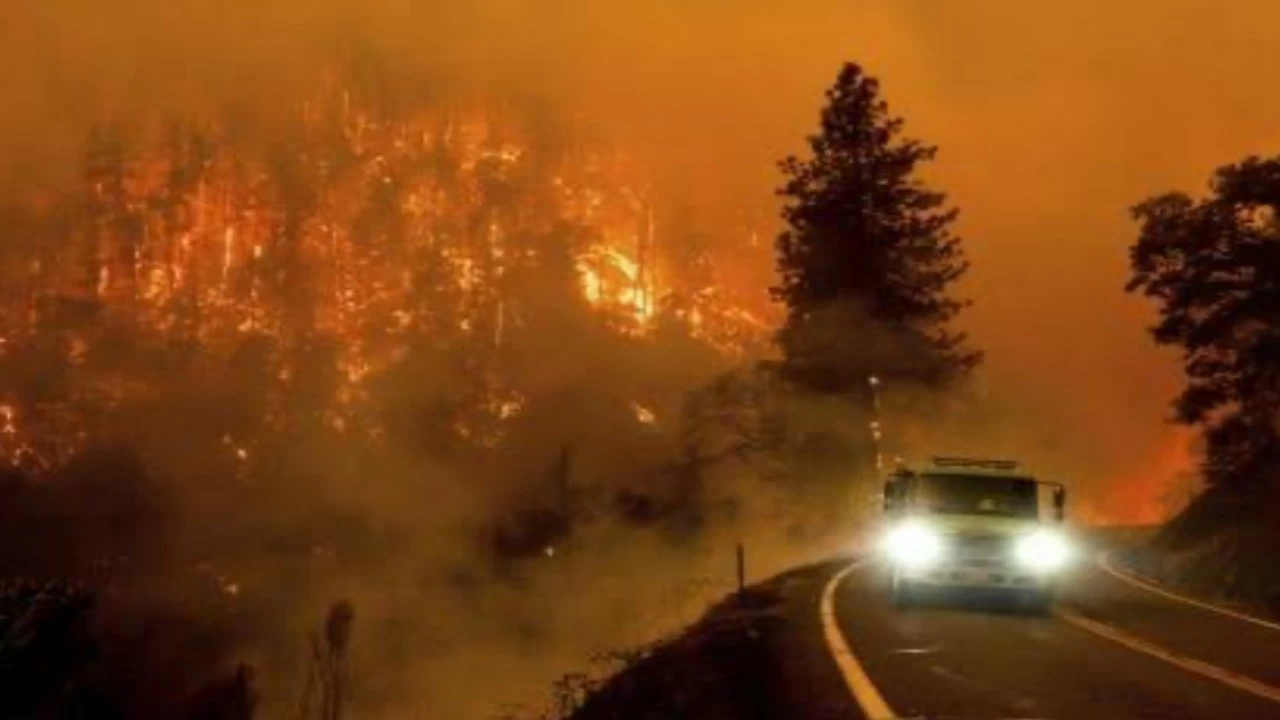


Dehradun: Uttarakhand is witnessing an unusual crisis this winter. Even though the Himalayas are in the grip of severe cold, forest fires have been reported at 16 different places across the state in the past week. These fires have affected more than 6 hectares of forest land, raising serious concerns.
Normally, the forest fire season in Uttarakhand begins on February 15. Before that, the Forest Department prepares for the season. But this year, fires have already started in the off-season.
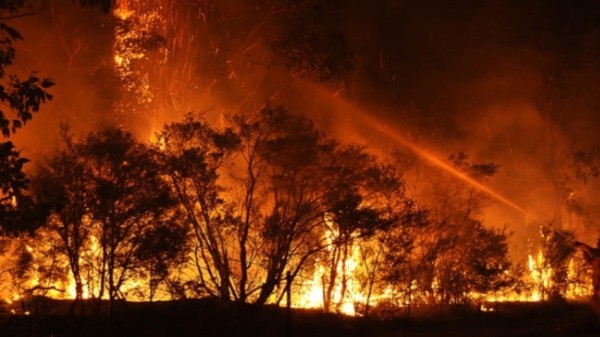
Forest fire incidents at 16 places across the state
According to official data, five incidents were reported in the Garhwal region, including Tons-Purola, burning 1.4 hectares of forest. Six incidents in the Gopeshwar Badrinath Forest Division damaged 2.7 hectares, while fires were also reported in the Kedarnath Wildlife Sanctuary. In total, 6.35 hectares of forest have been affected in just one week.
Human-wildlife conflict
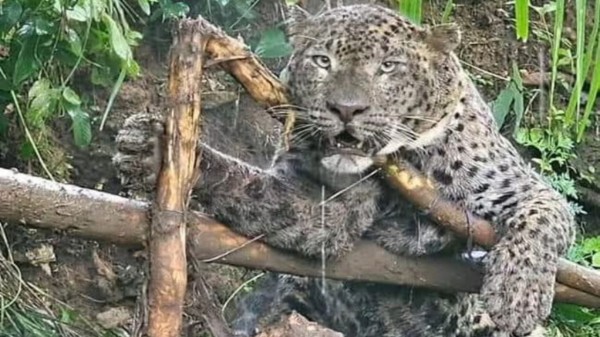
Local villagers say fear of wild animals is one reason behind the fires. Naveen Badola, village head of Maletha in Pauri Garhwal, said leopard attacks have increased in his area. In the past month, nine attacks have been reported, mostly targeting cattle. Villagers believe setting small fires around settlements can keep wild animals away.
Other residents confirmed that fires have been seen near their village. They admitted they do not know who started them, but said people are lighting fires for safety, even though it is causing damage.
Dry weather conditions
Uttarakhand’s chief conservator of forests Ranjan Kumar Mishra explained that the soil currently lacks moisture. November was completely dry, and December saw no rain. This dryness has made forests more vulnerable, allowing fires to spread quickly.
He added that Pauri district is historically prone to forest fires. To reduce risks, the Forest Department sometimes conducts controlled fire exercises. This involves burning weeds and small patches near villages to create a gap that prevents larger fires from spreading into settlements.
Poacher connection
Mishra also warned of poachers taking advantage of the situation. He said poachers sometimes set fires to trap animals. With human-wildlife conflict at its peak, the department has issued strict guidelines for the Christmas and New Year season. Monitoring has been increased, and officials have promised that such crimes will not be tolerated.
Impact on public life
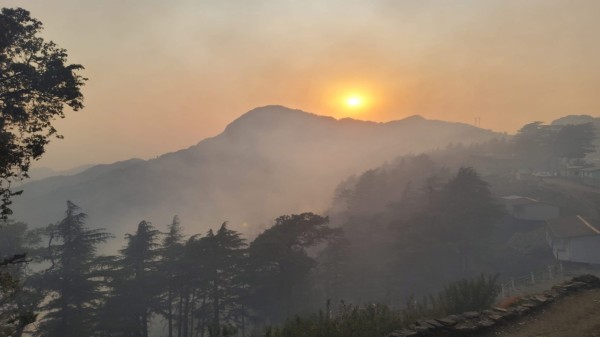
In Uttarkashi, fires around the district headquarters have created a haze that is spreading into the Ganga-Yamuna valleys. Smoke has reduced visibility on roads and is causing health problems. Doctors have urged asthma and allergy patients to take extra care.
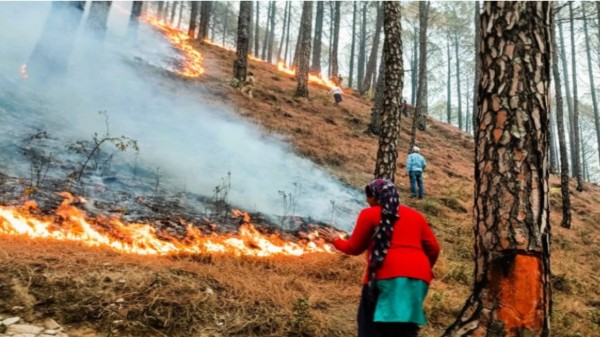
Locals report eye irritation, breathing difficulties, coughing, and headaches. Children and the elderly are particularly vulnerable. Forest department teams are working continuously to control the fires, but the situation remains worrying.
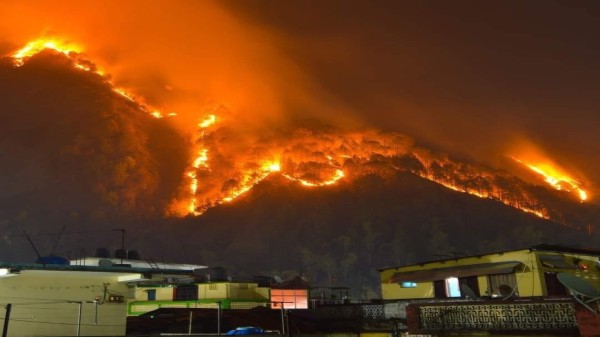
Dry weather, human-wildlife conflict, and poaching has created a dangerous mix
Experts say the combination of dry weather, human-wildlife conflict, and poaching has created a dangerous mix. Forest fires in winter are unusual, but they show how fragile Uttarakhand’s environment has become. Unless strict measures are taken, both forests and communities will continue to suffer.