


Sign In
By signing in or creating an account, you agree with Associated Broadcasting Company's Terms & Conditions and Privacy Policy.
By signing in or creating an account, you agree with Associated Broadcasting Company's Terms & Conditions and Privacy Policy.



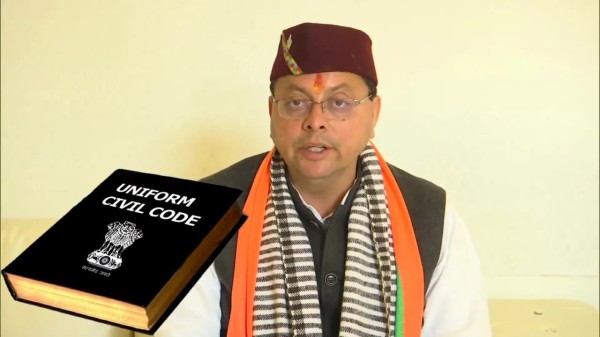
Dehradun: The Uttarakhand Governor, Lt Gen Gurmeet Singh (Retd), has returned two key amendment Bills of the Dhami government for reconsideration. The Bills include changes to the Uniform Civil Code (UCC) and amendments to the Freedom of Religion Act, aimed at stricter action against forced or fraudulent religious conversions.
Sources in the government confirmed that the Bills were sent back earlier this month due to technical issues, grammatical mistakes, and drafting errors. Officials said the matter is being reviewed, though the government has the option to promulgate an ordinance to bring the laws into force immediately.



UCC in Uttarakhand
Uttarakhand is the first and only state in India to implement the Uniform Civil Code. In August, the cabinet approved amendments to tackle procedural challenges and modernise penalty provisions. However, the Governor’s office flagged technical shortcomings in the draft, delaying its implementation.
Stricter anti‑conversion law
The Uttarakhand Freedom of Religion (Amendment) Bill, 2025, introduced tougher punishments for fraudulent conversions. It defines inducement broadly, making it a criminal offence to attempt conversion by offering money, gifts, jobs, free education, or marriage proposals. Using social media for promotion or concealing one’s religion to marry would also be treated as crimes.
Under the new provisions, fraudulent conversion would attract three to 10 years in jail and a minimum fine of Rs 50,000. If the victim is a minor, woman, SC/ST individual, or a person with disability, the punishment would be five to 14 years in jail and a fine of at least Rs1 lakh.
Previous laws
The original Freedom of Religion Act, 2018 stipulated up to five years in prison for forced or fraudulent conversions. The 2022 amendment increased penalties, mandating two to seven years in jail and fines of at least Rs 25,000. For conversions involving minors, women, or SC/ST individuals, punishment ranged from two to 10 years with similar fines.
The 2025 amendment sought to make penalties even stricter, but its return by the Governor has delayed enforcement.

Controversy and pushback
Both the UCC and the anti‑conversion law have faced criticism and debate. Supporters argue the laws are necessary to prevent exploitation and ensure equality, while critics say they may restrict personal freedoms and could be misused.
For now, the Dhami government must correct the drafting errors before resubmitting the Bills. Officials maintain that the intention behind the amendments remains firm — to strengthen legal safeguards against fraudulent conversions and streamline the UCC.










