Sign In
By signing in or creating an account, you agree with Associated Broadcasting Company's Terms & Conditions and Privacy Policy.
By signing in or creating an account, you agree with Associated Broadcasting Company's Terms & Conditions and Privacy Policy.
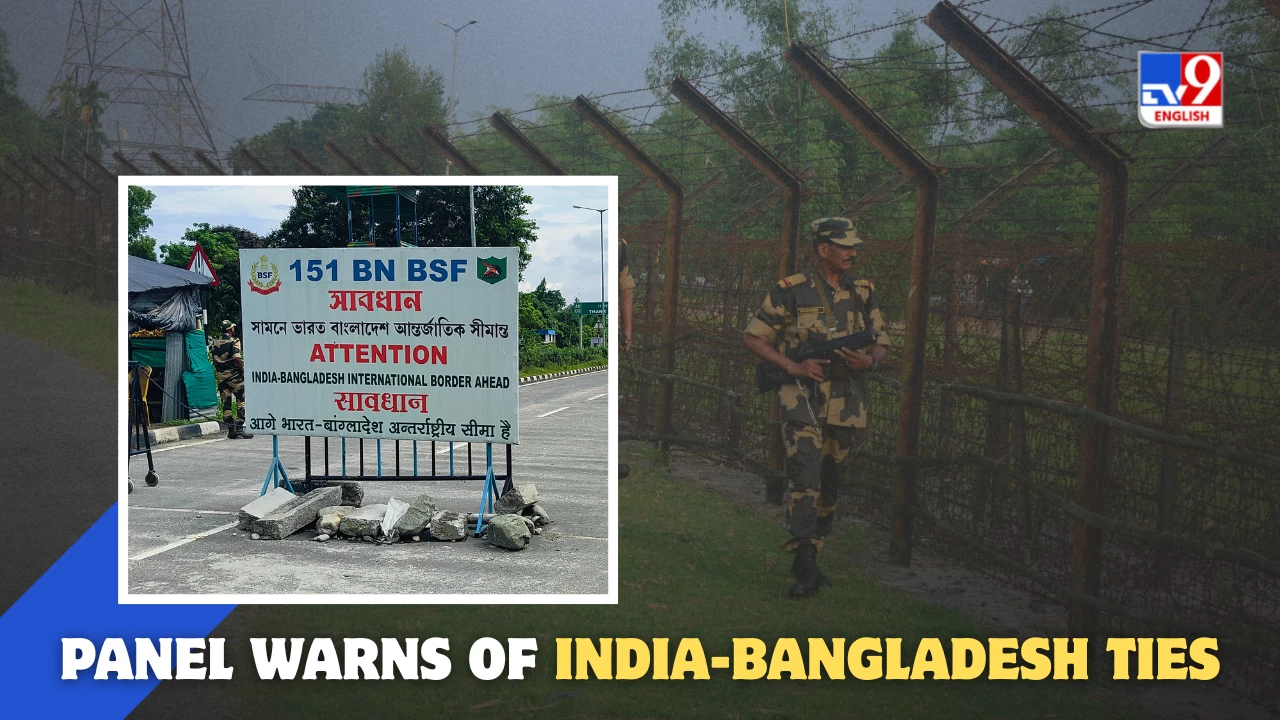


New Delhi: A Parliamentary Standing Committee on External Affairs has issued a strong warning over the rapidly shifting political and strategic situation in Bangladesh, describing it as India’s most significant long-term challenge in the neighbourhood since 1971. The committee said recent developments across the eastern border warrant sustained attention from New Delhi, even though they do not amount to an immediate existential threat.
The findings form part of a report tabled in Parliament by the panel chaired by Congress MP Shashi Tharoor. Drawing on submissions from government officials and non governmental experts, the committee said the nature of the challenge facing India has changed, moving from one of survival to a deeper and more enduring test of regional strategy and influence.



The committee identified the expanding footprint of China and Pakistan in Bangladesh as a major strategic concern. It said changing regional alignments could dilute India’s traditional influence in Dhaka and complicate its approach to neighbourhood security.
These developments, the panel noted, add another layer of complexity to India’s engagement with Bangladesh at a time of political flux.
The committee noted that the present situation in Bangladesh is markedly different from the circumstances that prevailed during the Liberation War. It said there is no immediate danger to India’s territorial integrity or national security arising from developments in Dhaka.
A central concern flagged in the report is the weakening political dominance of the Sheikh Hasina led Awami League. The committee observed that diminishing institutional control and declining public confidence have created space for rival political forces to gain ground.
The report warned of the re emergence of Islamist groups in Bangladesh at a time when youth led nationalist sentiment is also gaining traction. According to the committee, this combination could prove destabilising and pose risks to internal security.
It said such trends could also have spillover effects beyond Bangladesh’s borders, affecting regional stability and creating fresh challenges for India’s security planners.
The Ministry of External Affairs told the committee that India has worked to insulate bilateral relations from the impact of recent political developments. Officials said New Delhi remains engaged with the Interim Government in Dhaka and continues to support the aspirations of the Bangladeshi people.
In response, the government said the situation in Bangladesh is being monitored on a priority basis, with continuous assessments underway at various levels.